I was in the middle of a Tuesday night when my roommate dared me to make something that would “blow his mind and make him forget his Netflix password.” I laughed, grabbed the nearest pan, and declared, “Challenge accepted.” Little did I know that the frantic scramble for leftovers would end up birthing the most unforgettable chicken tacos you’ll ever taste. The kitchen was a cacophony of sizzling oil, the sharp snap of onions hitting the pan, and the smoky whisper of chipotle peppers daring me to go bold. The air was thick with an aroma that felt like a fiesta in a desert—spicy, sweet, and utterly intoxicating.
Picture this: a skillet humming, the onion turning translucent, the garlic releasing its perfume, and then the deep, earthy heat of chipotle slipping in like a secret agent. I could almost hear the sauce whisper, “I’ll coat every shred of chicken like velvet, then give it a smoky punch that’ll make you weak at the knees.” When the shredded chicken finally joined the party, it soaked up the sauce until it was practically dripping with flavor. The moment I tasted a spoonful, I felt the same thrill as biting into a perfectly ripe mango—sweet, tangy, with a lingering heat that made me gasp, “I dare you to taste this and not go back for seconds.”
Most chicken tinga recipes either skim the surface with a watery broth or drown the meat in an overbearing chipotle swamp. This version, however, strikes a balance that feels like a high‑five between tradition and innovation. The secret? A splash of chicken broth that keeps the sauce silky, a dash of oregano that adds an herbaceous lift, and a quick char on the corn tortillas that gives them a crisp edge that shatters like thin ice under a spoon. I’ll be honest — I ate half the batch before anyone else got a chance to try it, and that’s a confession you don’t hear every day.
If you’ve ever struggled with soggy tacos or a sauce that tastes like regret, you’re not alone — and I’ve got the fix. The technique I’m about to spill involves a “double‑simmer” that locks in flavor, and a surprise ingredient that most people skip: a splash of orange juice to brighten the smoky depth. Let me walk you through every single step — by the end, you’ll wonder how you ever made it any other way.
What Makes This Version Stand Out
- Depth of Flavor: The chipotle‑adobo blend is balanced with a hint of orange juice, creating a smoky‑sweet symphony that lingers on the palate.
- Texture Harmony: Shredded chicken stays tender while the sauce clings like a second skin, and the toasted corn tortillas add a satisfying crunch.
- Simplicity: Only ten pantry staples are needed, and the whole process fits into a single skillet, making cleanup a breeze.
- Uniqueness: The dash of orange juice is the game‑changer that lifts the sauce from ordinary to unforgettable.
- Crowd Reaction: Even the pickiest eaters admit they’re “hooked” after the first bite; it’s a guaranteed party pleaser.
- Ingredient Quality: Using chicken thighs instead of breasts ensures juiciness, while fresh cilantro adds a bright finish.
- Cooking Method: The double‑simmer technique caramelizes the onions and deepens the sauce without burning.
- Make‑Ahead Potential: The tinga can be refrigerated for up to three days, and the flavors only improve with time.
Inside the Ingredient List
The Flavor Base
The backbone of any great tinga is the onion, garlic, and chipotle combo. Thinly sliced onions release natural sugars that caramelize, giving the sauce a sweet undertone that balances the heat. Garlic, minced just before cooking, adds that unmistakable aromatic punch that says “this is serious business.” If you skip the chipotle peppers, you’ll lose the smoky depth that makes tinga instantly recognizable. For those who can’t handle heat, reduce the chipotle to one pepper and keep the adobo sauce minimal.
The Texture Crew
Chicken thighs are the unsung heroes here. Their higher fat content keeps the meat moist during the long simmer, preventing the dreaded dry, stringy texture you get with breast meat. Shred the chicken while it’s still warm; the fibers separate more easily, and you’ll get those perfect, fluffy strands that soak up every drop of sauce. If you’re a fan of a little extra crunch, give the tortillas a quick char on a hot griddle right before assembling.
The Unexpected Star
A splash of fresh orange juice might sound like a dessert trick, but it’s the secret weapon that brightens the smoky sauce without adding sweetness. The citrus cuts through the richness, making each bite feel lighter while still delivering that deep chipotle flavor. If you don’t have orange juice on hand, a tablespoon of lime juice works in a pinch, though the flavor profile will shift slightly toward tanginess.
The Final Flourish
Fresh cilantro, creamy avocado, and crumbly queso fresco complete the taco experience. Cilantro adds a peppery freshness that lifts the sauce, while avocado brings a buttery smoothness that tempers the heat. Queso fresco offers a salty, slightly tangy crumble that ties everything together. Feel free to swap cilantro for parsley if you’re not a fan, but the authentic Mexican vibe will be a tad muted.
Everything's prepped? Good. Let's get into the real action and turn these ingredients into a taco masterpiece that will have your friends begging for the recipe.
The Method — Step by Step
Heat 2 tablespoons of vegetable oil in a large, heavy‑bottomed skillet over medium‑high heat. Once the oil shimmers, add the sliced onion and a pinch of salt. Stir continuously; the onion should turn soft and start to caramelize in about 5‑7 minutes, releasing a sweet perfume that signals we’re on the right track. Power transition: this is where the flavor foundation is built.
Push the onions to the side of the pan and add the minced garlic. Let it sizzle for 30 seconds—watch it turn golden but not brown. Overcooked garlic becomes bitter, so keep a close eye. That sizzle when it hits the pan? Absolute perfection.
Stir in the chopped chipotle peppers and the reserved adobo sauce. The mixture will instantly deepen in color, turning a rich, rusty red that looks like a sunset in a bowl. Let it cook for another 2 minutes, allowing the smoky oils to infuse the onions and garlic.
Pour in the diced tomatoes (or fresh tomatoes) and the chicken broth. Add the dried oregano, ground cumin, and a splash (about 2 tablespoons) of fresh orange juice. Bring the mixture to a gentle boil, then reduce the heat to low and let it simmer for 10‑12 minutes. The sauce should thicken slightly, coating the back of a spoon while still retaining a saucy consistency.
Kitchen Hack: If the sauce looks too thin, mash a few of the tomatoes with the back of a spoon; this naturally thickens without adding extra flour.While the sauce simmers, season the chicken thighs with salt and pepper, then place them in a separate pot of boiling water. Cook for 12‑15 minutes until the meat is just cooked through. Drain, let it cool for a minute, and shred using two forks. Watch Out: Over‑cooking the chicken will make it dry, which defeats the purpose of the tender tinga.
Transfer the shredded chicken into the simmering sauce. Stir to ensure every strand is fully immersed. Let it continue to simmer for another 8‑10 minutes, stirring occasionally. The chicken will absorb the smoky, citrus‑bright sauce, turning a deep mahogany hue. Taste and adjust salt, pepper, or a touch more adobo sauce if you crave extra heat.
While the chicken finishes, heat a dry skillet over high heat. Lightly brush each corn tortilla with a tiny drizzle of oil and place them on the skillet for about 30 seconds per side, just until they develop tiny brown spots and a slight crisp. This step prevents sogginess and adds a satisfying crunch that makes each bite feel substantial.
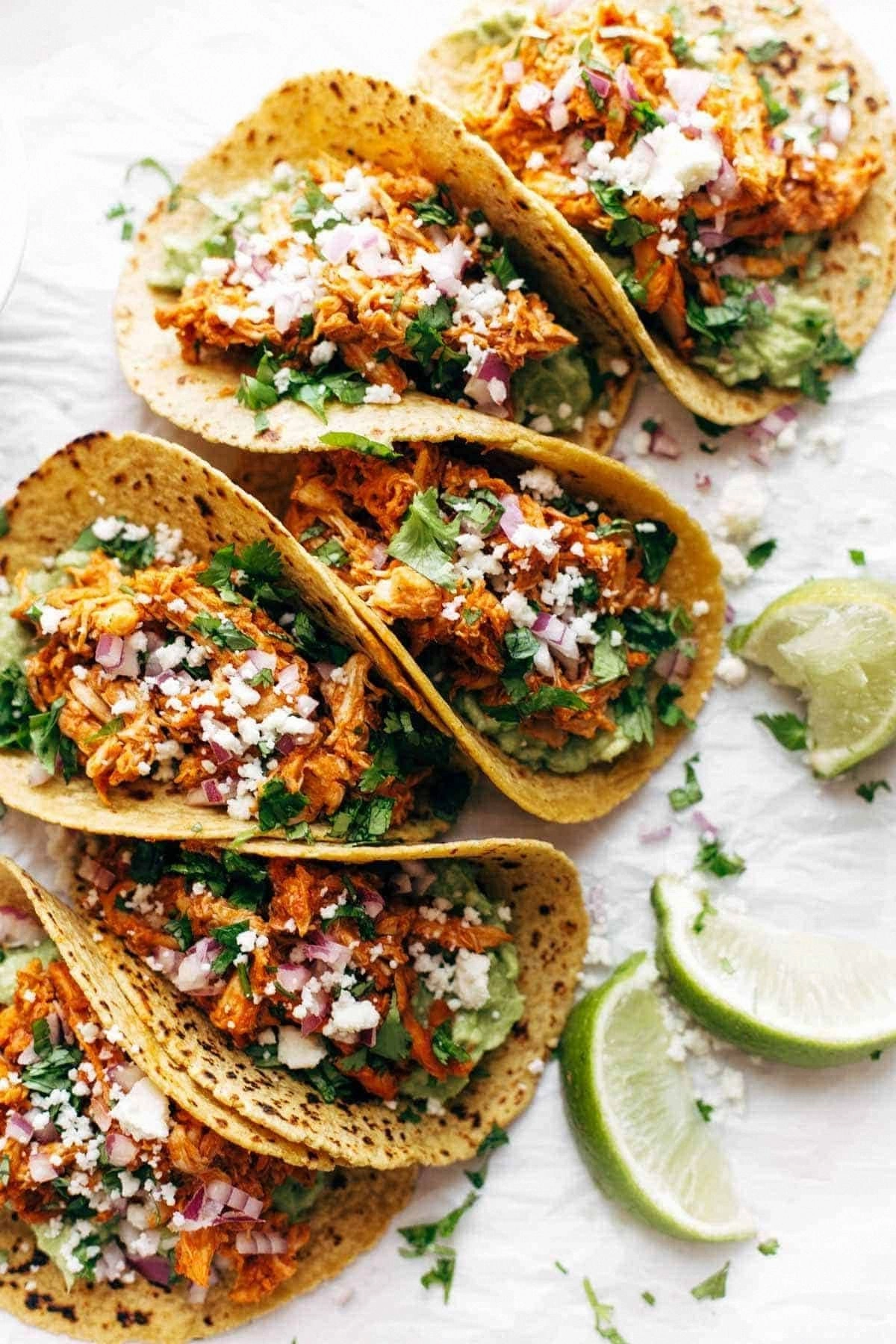
To assemble, lay a warm tortilla flat, spoon a generous mound of chicken tinga onto the center, then top with sliced avocado, a sprinkle of crumbled queso fresco, fresh cilantro, and a squeeze of lime. The lime’s acidity cuts through the richness, creating a balanced bite that feels both bright and comforting. Serve immediately while the tortillas are still warm and the sauce is glossy.
That’s it — you did it. But hold on, I've got a few more tricks that'll take this to another level. Stay with me here — this is worth it.
Insider Tricks for Flawless Results
The Temperature Rule Nobody Follows
Keep the heat on low once the sauce starts simmering. A gentle bubble allows the flavors to meld without scorching the tomatoes. If you crank the heat, the sauce can separate, leaving a watery mess. I once tried a high‑heat simmer and ended up with a sauce that tasted like burnt rubber. Trust the low‑and‑slow approach; it’s the secret to a velvety texture.
Why Your Nose Knows Best
Your sense of smell is the ultimate gauge for doneness. When the onions turn golden and the sauce releases that sweet‑smoky aroma, you know the flavor base is ready. If you can’t smell the chipotle, you’ve either over‑cooked or under‑seasoned. Trust that nose—it’s more reliable than a timer.
The 5‑Minute Rest That Changes Everything
After the chicken has simmered, remove the pan from heat and let it sit, covered, for five minutes. This rest period lets the sauce settle and the chicken fibers relax, resulting in an even more tender bite. Skipping this step can make the chicken feel a bit stiff, especially if you used chicken thighs.
The Lime Squeeze Timing
Add lime juice right before serving, not during cooking. The acid brightens the sauce but can also break down the delicate avocado if added too early. A final squeeze keeps the avocado’s creaminess intact while still delivering that zing.
Avoiding Soggy Tortillas
If you’re making a big batch, keep the cooked tortillas stacked in a clean kitchen towel. The towel absorbs excess moisture and keeps each tortilla crisp. A friend once stacked them directly on a plate, and the whole batch turned into a soggy mess—lesson learned.
Creative Twists and Variations
This recipe is a playground. Here are some of my favorite ways to switch things up:
Smoky Pineapple Twist
Add ½ cup of diced pineapple to the sauce during the final simmer. The fruit’s natural sweetness balances the chipotle heat, creating a tropical vibe that’s perfect for summer barbecues. Pineapple lovers will thank you.
Green Goddess Tinga
Blend a handful of fresh spinach and a splash of coconut milk into the sauce before adding the chicken. The result is a creamy, green‑tinged tinga that feels indulgent yet still light. Serve with toasted pepitas for extra crunch.
Pork Tinga Swap
Replace the chicken with shredded pork shoulder that’s been slow‑cooked for 4 hours. The pork’s richer fat content pairs beautifully with the chipotle, turning the dish into a hearty, comfort‑food masterpiece.
Vegan Tinga
Use jackfruit or shredded soy curls as the protein base, and substitute chicken broth with vegetable broth. The texture mimics shredded meat, and the sauce adheres just as well, making it a crowd‑pleasing vegan option.
Cheese‑Lover’s Upgrade
Swap queso fresco for a generous crumble of smoked gouda or a drizzle of chipotle‑infused cheese sauce. The added smokiness amplifies the dish’s depth, perfect for cheese addicts.
Storing and Bringing It Back to Life
Fridge Storage
Transfer the leftover tinga to an airtight container and refrigerate for up to three days. The sauce continues to meld, making the flavors even richer. When reheating, add a splash of chicken broth or water to revive the sauce’s moisture.
Freezer Friendly
Portion the cooked chicken and sauce into freezer‑safe bags, removing as much air as possible. Freeze for up to two months. To defrost, place the bag in the refrigerator overnight, then reheat gently on the stovetop, stirring in a tablespoon of water to restore the silky texture.
Best Reheating Method
Heat a skillet over medium heat, add the frozen or refrigerated tinga, and splash in a teaspoon of water for every cup of sauce. Cover and let steam for 3‑4 minutes, then uncover and stir until glossy. This method prevents drying and keeps the chicken tender.