Picture this: it’s a rainy Tuesday night, the kind of evening that begs you to stay in, wrap a blanket around yourself, and let something comforting simmer on the stove. I was halfway through a half‑baked lasagna when I realized I had a pan of fresh, spicy Italian sausage waiting to be put to better use. I tossed the sausage into a pot, added a splash of olive oil, and let the kitchen fill with that intoxicating sizzle that makes you forget everything else. That moment, that sizzle, was the spark that ignited the ultimate Spicy Sausage Rigatoni— a dish that now lives rent‑free in my mind and my pantry.
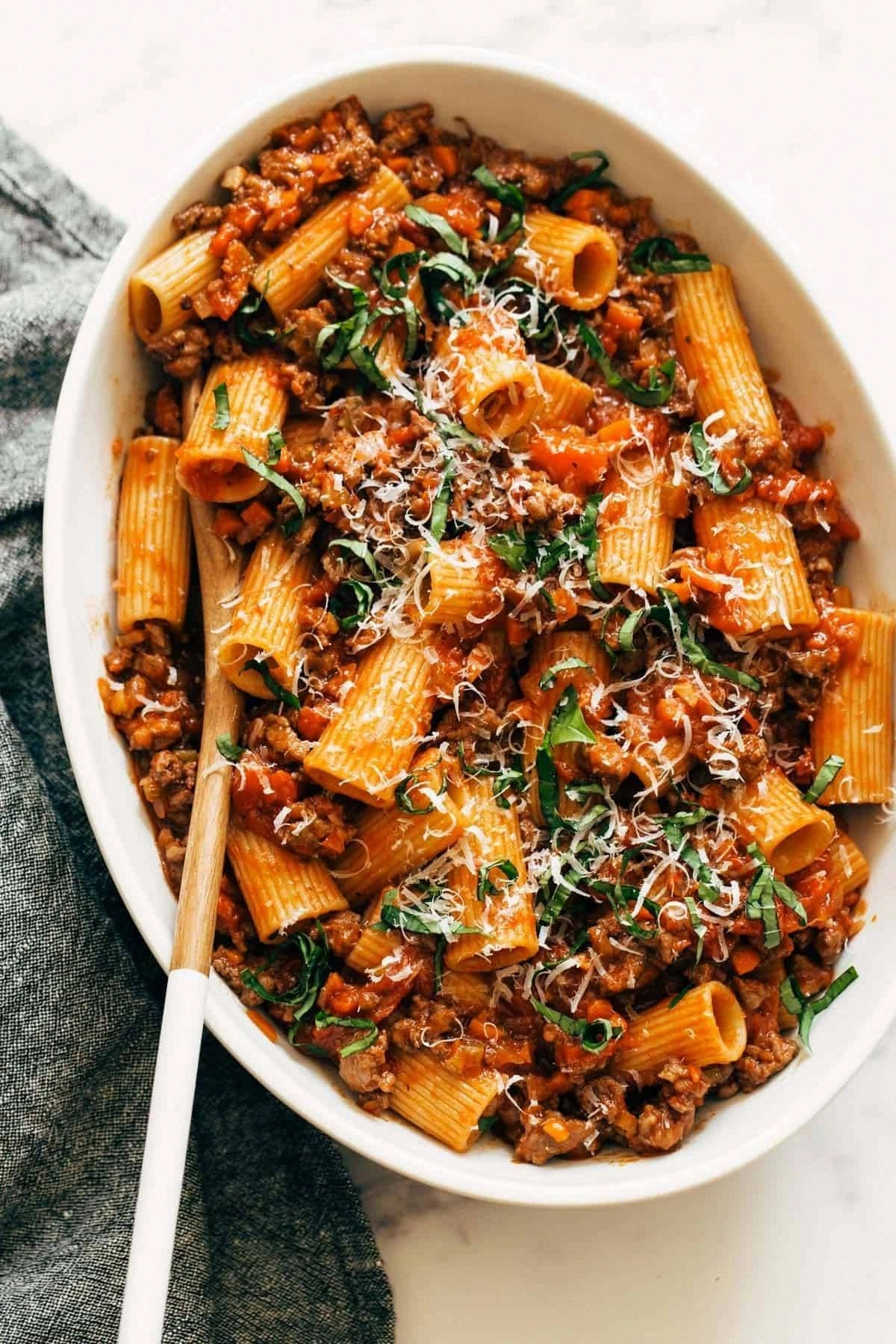
The first bite is an orchestra of flavors that hits you like a well‑timed drum solo. The sauce clings to each ridged rigatoni tube like velvet, while the sausage pieces burst with smoky heat that makes your taste buds do a little tango. I dare you to taste this and not go back for seconds; the combination of heat, acidity, and buttery richness is practically engineered to make you swoon. Most recipes get this completely wrong, either drowning the pasta in a watery sauce or forgetting the crucial finish of fresh basil that lifts everything. Not this one. I’ve added a secret ingredient that you won’t expect— a splash of heavy cream that rounds the edges without muting the spice, creating a silky, luxurious mouthfeel that feels like a culinary hug.
I’ll be honest — I ate half the batch before anyone else got to try it, and that’s not even the worst part. The whole kitchen smelled like an Italian bistro with a hint of fire, and every single person who walked past the open door was drawn in by the aroma. If you’ve ever struggled with getting a pasta sauce that sticks, you’re not alone — and I’ve got the fix. Picture yourself pulling this out of the pot, the whole kitchen smelling incredible, steam rising, and the first forkful sliding into your mouth, the sauce coating the pasta with a perfect sheen.
Okay, ready for the game‑changer? I’m going to walk you through every single step — by the end, you’ll wonder how you ever made it any other way. This isn’t just a recipe; it’s a love letter to bold flavor, a tutorial on texture, and a guarantee that your next dinner party will be the talk of the town. Stay with me here — this is worth it.
What Makes This Version Stand Out
- Heat Balance: The combination of spicy sausage and a measured pinch of red pepper flakes creates a layered heat that builds, never overwhelms. You’ll feel a gentle fire that lingers pleasantly on the palate.
- Silky Finish: Adding a splash of heavy cream at the end transforms the sauce from a typical tomato‑based concoction into a velvety masterpiece that caresses each rigatoni tube.
- Texture Harmony: The rigatoni’s ridges trap the sauce, while the sausage’s crisped edges add a satisfying bite that shatters like thin ice when you chew.
- Simple Yet Sophisticated: Only ten ingredients, all pantry‑friendly, yet the technique elevates the dish to restaurant quality without demanding a culinary degree.
- Crowd‑Pleaser Factor: This dish has the perfect blend of comfort and excitement, making it a guaranteed hit for both picky eaters and spice lovers alike.
- Ingredient Quality: Using high‑quality Italian sausage and ripe canned tomatoes ensures depth of flavor that cheap alternatives simply can’t match.
- One‑Pan Efficiency: The sauce and sausage develop together in the same pan, reducing cleanup and concentrating flavors.
- Make‑Ahead Magic: This rigatoni actually improves after a night in the fridge, allowing the flavors to meld even further.
Inside the Ingredient List
The Flavor Base
The foundation of any great pasta sauce starts with aromatics. Diced onion and minced garlic form the aromatic backbone, releasing sweet and savory notes as they soften. If you skip the onion, you’ll lose the subtle sweetness that balances the acidity of the tomatoes. A good swap for the onion is shallots, which add a milder, more delicate flavor. When choosing garlic, look for firm, plump cloves— they’ll give you a richer, more robust taste.
The Texture Crew
Spicy Italian sausage is the star of the show, providing both protein and a smoky, peppery heat. I recommend a sausage with a good fat content; the fat renders into the sauce, enriching it and keeping the rigatoni moist. If you can’t find spicy Italian sausage, use a blend of mild sausage plus a teaspoon of smoked paprika and a pinch of cayenne. Crushed tomatoes bring acidity and body; opt for San Marzano if you can find them, as they’re naturally sweeter and less watery.
The Unexpected Star
Here’s the curveball: a half‑cup of heavy cream added at the end. This may sound like it will tame the heat, but it actually rounds the edges, creating a luxurious mouthfeel without muting the spice. If you’re dairy‑free, swap the cream for coconut milk— it adds a subtle tropical note that surprisingly complements the sausage.
The Final Flourish
Fresh basil and grated Parmesan are added just before serving. Basil injects bright, herbaceous freshness that cuts through the richness, while Parmesan adds a salty umami punch. Skipping the basil will leave the dish feeling flat, and omitting the cheese will make the sauce feel incomplete. For a twist, try adding a handful of arugula instead of basil for a peppery finish.
Everything's prepped? Good. Let's get into the real action…
The Method — Step by Step
Start by bringing a large pot of salted water to a rolling boil. While you wait, heat two tablespoons of olive oil in a deep skillet over medium‑high heat. As the oil shimmers, add the sausage, breaking it apart with a wooden spoon. Let it brown until the edges turn crisp and start to pull away, releasing a fragrant, smoky aroma that tells you you’re on the right track.
Once the sausage is nicely caramelized, push it to the side of the pan and toss in the diced onion. Cook until the onion becomes translucent, about three minutes, stirring occasionally. Then add the minced garlic and red pepper flakes, letting them sizzle for about thirty seconds— that sizzle when it hits the pan? Absolute perfection.
Now it’s time for the tomatoes. Pour in the crushed tomatoes, stirring to combine everything into a cohesive sauce. Reduce the heat to low and let the mixture simmer gently for ten minutes, allowing the flavors to meld.
Watch Out: If the sauce starts to stick, add a splash of water or broth; you don’t want it to burn.While the sauce simmers, bring the rigatoni to a boil in the salted water. Cook until just al dente— you want a slight bite because the pasta will continue cooking in the sauce later. Drain, reserving a cup of the starchy pasta water, and set the pasta aside.
Return to the skillet: stir the heavy cream into the simmering tomato‑sausage mixture. The sauce will turn a luscious pinkish‑orange, and you’ll notice it thickening instantly. Let it cook for another two minutes, then season with salt and freshly cracked black pepper to taste.
Kitchen Hack: Finish the sauce with a drizzle of good olive oil for an extra glossy sheen.Add the cooked rigatoni directly into the skillet, tossing to coat each tube thoroughly. If the sauce seems too thick, splash in a little of that reserved pasta water— the starch will bind everything together, making the sauce cling to the rigatoni like velvet.
Turn off the heat and fold in the fresh basil, letting the residual warmth wilt the leaves just enough to release their aromatic oils. Sprinkle the grated Parmesan over the top, allowing it to melt into the sauce, creating a glossy finish that shimmers under the light.
Give the dish a final taste test. Adjust seasoning if needed, then transfer to a serving bowl. Serve hot, with extra Parmesan on the side for those who like a cheesy finish. And now the fun part— pulling that first forkful and watching the sauce cascade down the sides of the rigatoni.
Insider Tricks for Flawless Results
The Temperature Rule Nobody Follows
Never add the cream over high heat. The moment you see the sauce start to bubble, drop the temperature to low. This prevents the cream from curdling and keeps the sauce silky smooth. I once tried to rush this step, and the sauce split like a bad relationship— not pretty.
Why Your Nose Knows Best
Use your sense of smell as a benchmark. When the onions turn golden and the garlic releases its perfume, you know they’re ready. If you rely solely on timing, you might end up with raw onion flavor that throws off the whole dish.
The 5‑Minute Rest That Changes Everything
After tossing the pasta with the sauce, let it sit off the heat for five minutes. This short rest lets the rigatoni absorb the sauce, creating a more cohesive bite. I’ve seen cooks serve immediately and get a watery plate; patience makes perfection.
Sauce‑Starch Symphony
Always reserve at least a cup of pasta water. The starch in that water acts like a natural thickener, helping the sauce cling without needing extra flour or butter. A splash at a time is the trick— you’ll know when it’s perfect by the glossy sheen.
Cheese Timing Mastery
Grate Parmesan fresh right before serving. Pre‑grated cheese contains anti‑caking agents that can hinder melting. Freshly grated melts into the sauce, adding that creamy umami punch that ties the whole dish together.
Creative Twists and Variations
This recipe is a playground. Here are some of my favorite ways to switch things up:
Smoky Chipotle Version
Swap the Italian sausage for chipotle‑infused chorizo and add a teaspoon of smoked paprika. The result is a deeper, smoky heat that pairs wonderfully with the creamy base. Perfect for those who love a wood‑fire flavor.
Vegetarian Delight
Replace the sausage with plant‑based crumbles seasoned with fennel seeds and smoked salt. Add a handful of roasted red peppers for sweetness. The dish retains its heartiness while staying meat‑free.
Seafood Surprise
Use peeled shrimp instead of sausage, and finish with a splash of white wine before adding the tomatoes. The shrimp cooks quickly, delivering a briny contrast to the spicy sauce. This variation feels elegant enough for a date night.
Herb‑Infused Green
Blend a handful of spinach and fresh parsley into the sauce right before adding the cream. The green hue is eye‑catching, and the herbs add a fresh, earthy note that brightens the dish.
Cheesy Baked Finish
After mixing the rigatoni with the sauce, transfer everything to a baking dish, top with mozzarella and extra Parmesan, and bake at 375°F for 15 minutes. You’ll get a golden, bubbly crust that adds a comforting crunch.
Storing and Bringing It Back to Life
Fridge Storage
Let the rigatoni cool to room temperature, then transfer to an airtight container. It will keep perfectly for up to three days. When reheating, add a splash of water or broth and stir over low heat to revive the sauce’s silkiness.
Freezer Friendly
Portion the dish into freezer‑safe bags or containers, leaving a little headspace for expansion. It freezes beautifully for up to two months. Thaw overnight in the fridge, then reheat on the stovetop, again adding a tiny splash of water to restore that fresh‑made texture.
Best Reheating Method
The stovetop is king. Place the leftovers in a skillet over medium heat, stir in a tablespoon of water, and cover for two minutes. The steam will re‑hydrate the pasta, and the sauce will regain its glossy coat. Microwaving works in a pinch, but you’ll miss the sauce’s full-bodied feel.