I was staring at the empty fridge on a Tuesday night, feeling the familiar pang of culinary boredom. My friends had dared me to create something that could turn a bland evening into a flavor fireworks display, and I was determined not to let them down. The moment I cracked open the crab tin, the sweet scent of the sea mingled with the sharp tang of fresh chilies, and I knew I was onto something special. I grabbed my skillet, set the stove to high, and the kitchen erupted into a symphony of sizzling sounds that promised a dish that would make everyone ask for seconds.
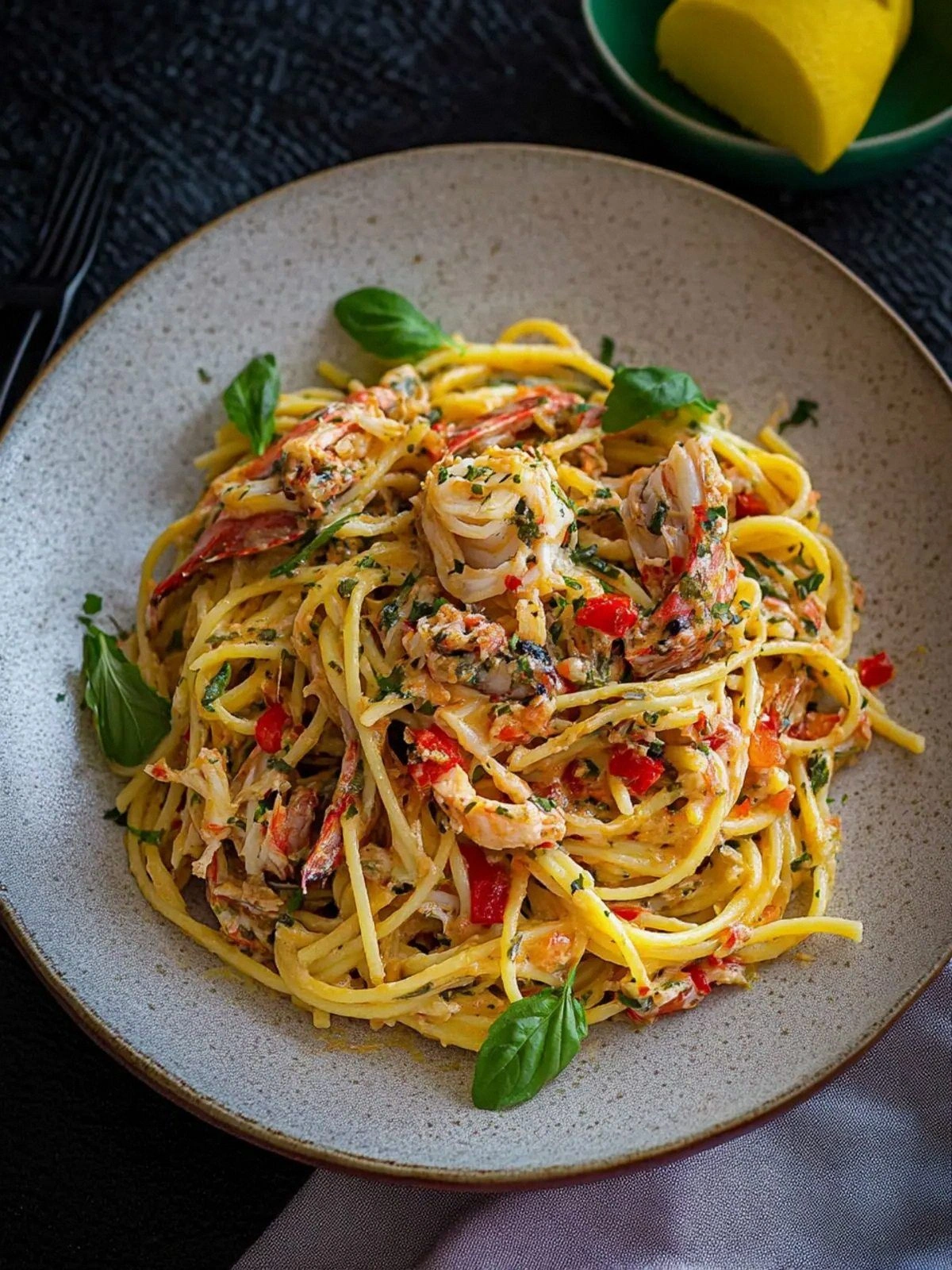
Picture this: a steaming bowl of linguine, each strand coated in a silky, peppery sauce that clings like velvet, punctuated by the bright, citrusy bite of lemon zest and the earthy warmth of grated ginger. The heat from the chilies dances across the palate, leaving a lingering warmth that feels like a cozy fire on a cool night. The crab meat, tender and briny, breaks apart with a satisfying snap, releasing juices that mingle with the olive oil and white wine, creating a sauce that is both light and deeply satisfying. Every bite is a layered experience—sweet, spicy, salty, and citrusy all at once—making this dish a culinary revelation.
What sets this version apart from the countless crab pasta recipes out there is the meticulous balance of heat and acidity, the use of fresh aromatics that elevate the dish to something truly memorable, and the simple, approachable technique that anyone can master. I dare you to taste this and not go back for seconds; the flavor explosion is guaranteed to keep you coming back for more. If you’ve ever struggled with crab pasta that feels heavy or bland, you’re not alone—this is the fix you’ve been waiting for. I’ll be honest—my first attempt nearly ruined the sauce, but I learned to trust the process and the timing, and now the result is hands down the best version you’ll ever make at home.
The secret? A splash of white wine to deglaze the pan, a generous squeeze of lemon zest to cut through the richness, and a final flourish of fresh coriander that adds a bright, herbal note. Picture yourself pulling this out of the pan, the whole kitchen smelling incredible, and watching the steam curl around the pasta like a fragrant cloud. And now, ready to dive into the step-by-step journey that will transform your kitchen into a seaside trattoria? Let me walk you through every single step—by the end, you’ll wonder how you ever made it any other way.
What Makes This Version Stand Out
- Taste: The combination of chili heat, citrus zest, and aromatic ginger creates a layered flavor profile that is both bold and balanced. Every bite delivers a punch of spice without overwhelming the delicate crab.
- Texture: The linguine remains al dente, providing a satisfying chew that contrasts with the tender crab and silky sauce. The sauce coats each strand like a velvet blanket, ensuring no pasta goes dry.
- Simplicity: With just nine ingredients and a straightforward method, this dish is perfect for a busy weeknight yet feels like a gourmet experience.
- Uniqueness: The use of white wine to deglaze and the final splash of lemon zest give this pasta a distinctive brightness that sets it apart from standard crab dishes.
- Crowd Reaction: Friends who’ve tasted this rave about how it feels like a seafood feast without the fuss of a full dinner service.
- Ingredient Quality: Fresh crab, high‑quality olive oil, and aromatic chilies are key to unlocking the dish’s full potential.
- Cooking Method: A quick sauté followed by a deglaze ensures the flavors meld perfectly while keeping the sauce light and vibrant.
- Make‑Ahead Potential: The sauce can be prepared in advance and re‑heated, making it ideal for meal prep or entertaining.
Alright, let's break down exactly what goes into this masterpiece...
Inside the Ingredient List
The Flavor Base
Linguine: This long, flat pasta is the perfect canvas for the sauce, allowing the flavors to cling to each strand. If you can’t find linguine, fettuccine works as a close substitute, but the texture will be slightly thicker. Skipping the pasta would turn this into a crab‑only dish, losing the comforting carbs that make the meal satisfying.
Olive Oil: A good extra‑virgin olive oil adds a fruity depth that balances the heat of the chilies. If you prefer a lighter taste, use a refined oil, but the flavor profile will shift towards a more neutral base. Olive oil also helps in achieving that silky sauce consistency.
The Texture Crew
Crab Meat: Fresh or frozen crab provides the star protein. Fresh crab is ideal for a bright, sweet taste, but frozen crab is perfectly acceptable if you’re on a budget. If you use pre‑cooked crab, be careful not to overheat it, or it will become rubbery.
Pasta Water: Reserved from boiling the linguine, this starchy water is essential for binding the sauce. Adding too much pasta water can dilute the flavors, while too little may leave the sauce thick and clumpy. Aim for a splash—about a quarter cup—to achieve the right consistency.
The Unexpected Star
White Wine: Deglazing with white wine lifts the caramelized bits from the pan, infusing the sauce with a subtle acidity that cuts through the richness. A dry, crisp white works best; avoid sweet wines as they can overpower the dish. If you’re avoiding alcohol, a splash of white wine vinegar can mimic the acidity.
The Final Flourish
Lemon Zest: The zest adds a bright, citrusy note that lifts the entire dish. Grate the zest directly into the sauce to release the oils, or sprinkle it on top as a finishing touch. Skipping the zest will result in a flatter flavor profile.
Red Chilies: Fresh chilies bring heat and a subtle smoky flavor. If you’re not a fan of intense spice, reduce the number of chilies or remove the seeds. The heat level can be adjusted by using different chili varieties—such as jalapeño for a milder kick or habanero for a fiery blaze.
Everything's prepped? Good. Let's get into the real action...
The Method — Step by Step
- Step 1: Bring a large pot of salted water to a rolling boil. Add the linguine and cook until just al dente, about 8–9 minutes. Reserve a cup of pasta water before draining. The pasta should be firm to the bite, not mushy. This is the moment to taste the water and adjust the salt if needed.
- Step 2: While the pasta cooks, heat the olive oil in a large skillet over medium‑high heat. Add the minced garlic and sliced chilies, sautéing until fragrant and the garlic turns golden, about 30 seconds. Watch the garlic carefully; it can burn quickly and turn bitter. This step builds the aromatic foundation of the sauce.
- Step 3: Stir in the grated ginger, letting it mingle with the garlic and chilies for another 30 seconds. The ginger’s warm, peppery flavor will cut through the heat. The aroma should be inviting, not overpowering. If you prefer a milder ginger taste, reduce the amount slightly.
- Step 4: Pour in the white wine, letting it simmer for 1–2 minutes to reduce by half. This deglazes the pan, lifting the caramelized bits from the bottom into the sauce. The wine’s acidity will brighten the dish and balance the richness of the crab.
- Step 5: Add the crab meat to the skillet, gently tossing to coat it in the sauce. Cook for 2–3 minutes until the crab is heated through but still tender. Be careful not to over‑cook, or the crab will become rubbery. This step ensures the crab’s sweet, briny flavor is fully integrated.
- Step 6: Reduce the heat to low and pour in the reserved pasta water, a splash at a time, until the sauce reaches a silky consistency. The water’s starch will help bind the sauce to the pasta. The sauce should coat the linguine without clinging too heavily. Stir gently to combine.
- Step 7: Stir in the lemon zest, letting its bright oils infuse the sauce. The zest should release a citrus aroma that cuts through the heat and oil. If you want a more pronounced citrus note, add a few extra zest strands at the end.
- Step 8: Finally, toss the cooked linguine into the skillet, ensuring every strand is coated. Sprinkle the chopped coriander over the top, giving the dish a fresh, herbal finish. Plate immediately, serving hot so the flavors are at their peak. This is the moment of truth—watch the steam rise and the aroma envelop the room.
That's it — you did it. But hold on, I've got a few more tricks that'll take this to another level. These insider tips will ensure your dish is consistently stellar and will impress even the most discerning palate.
Insider Tricks for Flawless Results
The Temperature Rule Nobody Follows
Maintaining a steady medium‑high heat is crucial when sautéing the garlic and chilies. Too low, and the aromatics won’t release their flavors; too high, and they’ll burn. I use a thermometer to keep the pan around 375°F, which gives the perfect balance of aroma and color. Consistent temperature keeps the sauce bright and the flavors intact.
Why Your Nose Knows Best
As soon as the white wine reduces, the kitchen fills with a citrusy, slightly sweet aroma that signals the sauce is ready. Trusting your nose can save you from overcooking or underseasoning. If the smell feels flat, add a splash of lemon juice to brighten it up.
The 5‑Minute Rest That Changes Everything
After tossing the pasta with the sauce, let it rest for five minutes before serving. This brief pause allows the pasta to absorb the sauce fully, creating a more cohesive texture. Many chefs skip this step, but it’s the difference between a good dish and a memorable one.
The Freshness Factor
Use the freshest crab you can find; the sweeter the crab, the better the final taste. If you’re using frozen crab, thaw it in cold water for 30 minutes before cooking. This prevents the meat from becoming mushy.
The Secret of a Bright Finish
A quick drizzle of extra‑virgin olive oil right before plating adds a glossy sheen and a burst of fruity flavor. It also helps the lemon zest cling to the pasta, ensuring each bite delivers that citrus punch. A simple touch that elevates the dish.
Creative Twists and Variations
This recipe is a playground. Here are some of my favorite ways to switch things up:
Spicy Shrimp Fusion
Swap the crab for shrimp and add a splash of soy sauce for an umami kick. The shrimp’s quick cooking time pairs well with the sauce, creating a Southeast Asian‑inspired pasta that’s both spicy and savory.
Creamy Coconut Twist
Replace half the pasta water with coconut milk for a silky, tropical flavor. The coconut’s subtle sweetness balances the chilies, giving the dish a richer, dessert‑like finish.
Herb‑Infused Pesto
Blend the coriander with basil, pine nuts, and olive oil to create a vibrant pesto. Toss the pesto into the pasta instead of the lemon zest for a fresh, green burst of flavor that still honors the crab.
Sicilian Sun‑Dried Tomato
Add chopped sun‑dried tomatoes to the sauce for a chewy, sweet contrast. The tomatoes’ intensity complements the crab’s brininess, making the dish feel like a Mediterranean feast.
Vegan Version
Replace crab with marinated tofu cubes and use a plant‑based white wine. The tofu absorbs the sauce’s flavors beautifully, and the dish remains hearty and satisfying.
Lemon‑Garlic Shrimp
For a lighter option, use shrimp, reduce the olive oil, and increase the lemon zest. This variation keeps the dish bright and airy while still delivering that satisfying seafood punch.
Storing and Bringing It Back to Life
Fridge Storage
Cool the pasta completely before placing it in an airtight container. Store in the refrigerator for up to 2 days. The sauce will cling to the pasta, so re‑heat gently to avoid over‑cooking the crab.
Freezer Friendly
For longer storage, place the cooked pasta in a freezer‑safe bag and freeze for up to 3 months. Thaw overnight in the refrigerator and re‑heat with a splash of pasta water to restore moisture.
Best Reheating Method
Reheat on low heat, adding a tiny splash of water or broth to keep the sauce from drying out. Stir frequently until hot and steaming. This trick ensures the pasta remains tender and the sauce silky.