Picture this: I’m halfway through a bustling Sunday brunch, the kitchen smells of caramelized sugar and fresh mango, and the timer on my phone buzzes like a tiny, impatient alarm. I had just pulled a batch of homemade pies from the oven, only to find the crusts soggy, the filling too runny, and my guests looking at me like I’d served them a science experiment. The next minute I was scrambling to salvage the dessert, adding extra sugar, whipping the mango into a silky puree, and realizing that the real secret was in the crust’s texture, not the filling. I’ve spent countless hours tweaking recipes, and this time I finally cracked the code: a crisp, buttery shell that holds a luscious mango curd that melts in your mouth like summer sun on skin. I dared myself to experiment with a subtle cardamom hint and a splash of lemon zest, and the result was a tart that sings with tropical vibrancy and a buttery foundation that feels like a hug.
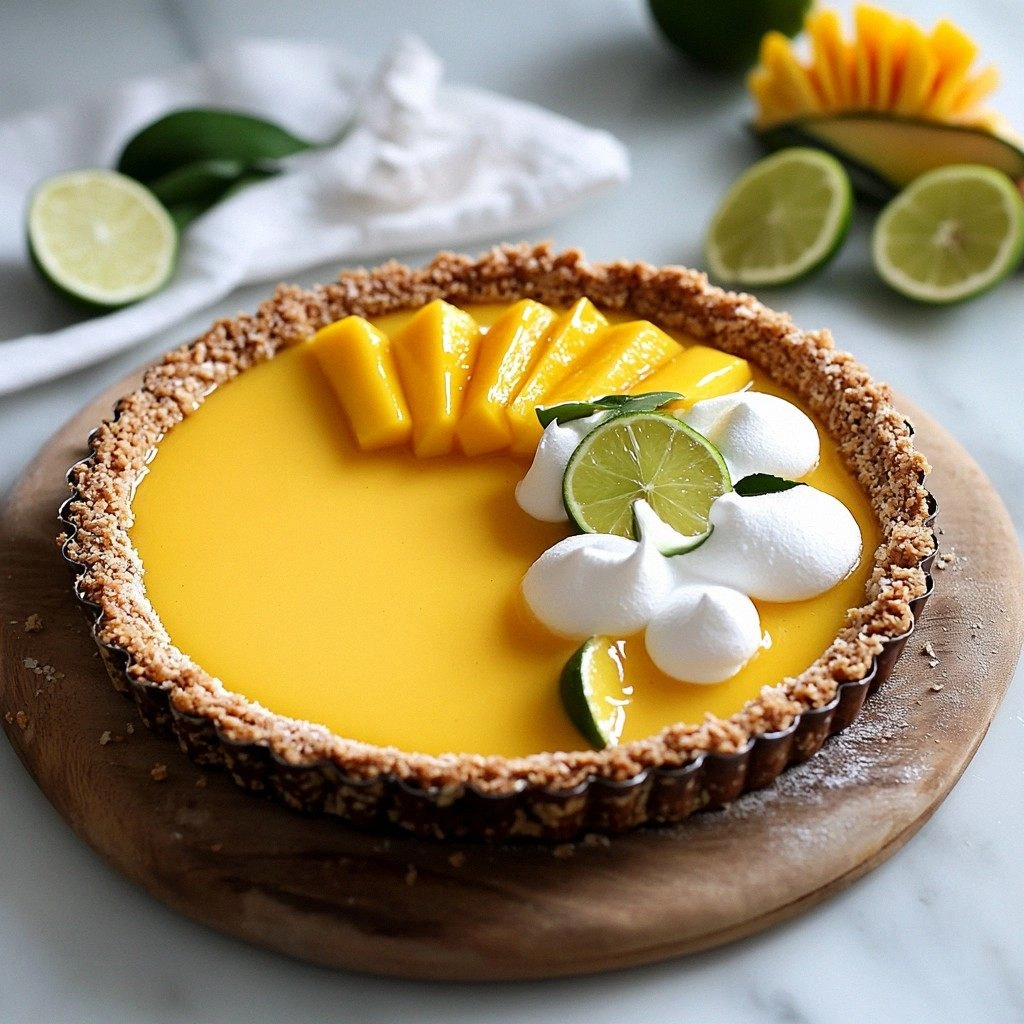
The first bite is an orchestra of flavors—sweet mango, bright citrus, and a whisper of spice—while the crust offers a satisfying crunch that dissolves into a buttery softness. The aroma that fills the kitchen is a heady blend of ripe mango and toasted coconut, making every inhale a promise of the taste to come. Visually, the tart glistens under a light drizzle of mango glaze, its golden crust contrasting with the vibrant orange of the mango curd. The sound of the first forkful is a gentle crackle, the crust giving way to the silky filling, and the mouth fills with a burst of tropical sweetness that lingers like a sweet afterglow. The texture is a delightful paradox: a crisp base with a creamy, velvety filling that coats the palate like velvet, leaving a lingering warmth that invites a second bite.
What sets this version apart is not just the taste but the precision of every component. I’ve engineered the crust to be light yet sturdy, the filling to be thick enough to hold its shape, and the finishing touch of fresh mango slices to add a pop of color and freshness. The secret is the balance of mango curd with a touch of cardamom and lemon, creating a flavor profile that feels both exotic and comforting. I’ve also added a subtle crunch of toasted coconut flakes on top, which not only adds texture but also enhances the tropical vibe. The result is a tart that feels like a vacation in a bite, and I dare you to taste this and not go back for seconds. By the end of this guide, you’ll wonder how you ever made it any other way.
What Makes This Version Stand Out
- Taste: The mango curd is blended with a splash of lemon and a pinch of cardamom, creating a bright, aromatic flavor that feels like a tropical sunrise.
- Texture: The crust is crisp on the outside and buttery on the inside, offering a delightful contrast that holds the creamy filling without becoming soggy.
- Ingredient Quality: Only the freshest mangoes and high‑fat dairy are used, ensuring a rich, silky filling that doesn’t separate.
- Make‑Ahead Potential: The tart can be assembled and chilled the night before, allowing flavors to meld while the crust stays crisp.
- Visual Appeal: The vibrant orange of the mango curd, the golden crust, and the fresh mango slices create a plate that looks as good as it tastes.
- Time Efficiency: With a streamlined crust recipe and a ready‑made mango curd, you can have a show‑stopping dessert in under an hour.
Alright, let’s break down exactly what goes into this masterpiece. I’ll walk you through the ingredients, the technique, and the secrets that make this tart a crowd‑pleaser. Keep your eyes on the clock, your knife sharp, and your taste buds ready for a tropical adventure.
Inside the Ingredient List
The Flavor Base
All-purpose flour is the backbone of the crust, providing structure without overpowering the delicate mango filling. Using a blend of 1.5 cups of flour gives the crust enough heft to hold the curd while remaining tender. If you skip the flour, the crust will collapse, turning your tart into a soggy disaster. For a lighter option, substitute half the flour with almond flour, but keep in mind the texture will shift slightly. The key is to measure accurately; too much flour can lead to a dry, crumbly base.
Granulated sugar in the crust (¼ cup) balances the buttery flavor and promotes caramelization. It also helps to keep the crust from becoming too greasy. If you prefer a lower sugar content, you can reduce it to 2 tablespoons, but the crust may lose some of its golden hue. Sugar also acts as a tenderizer, ensuring the crust stays soft yet crisp. When mixing, fold the sugar in gently to avoid deflating the butter.
A pinch of salt (¼ tsp) is essential for flavor contrast. Salt elevates the sweetness of the mango curd and balances the richness of the butter. Skipping salt will result in a flat, one‑dimensional dessert. If you’re watching sodium, use a low‑sodium salt alternative, but keep the quantity the same. The salt also helps to control the moisture content of the crust.
The Texture Crew
Unsalted butter (½ cup, cold, cubed) provides the buttery mouthfeel and helps create flaky layers in the crust. The cold butter is critical; it prevents the dough from absorbing too much moisture, which could lead to a soggy crust. If you’re in a hurry, you can use quick‑bake butter, but the texture won’t be as refined. When cutting the butter into the flour, aim for pea‑size pieces to ensure even melting during baking.
Ice water (2–3 tbsp) brings the dough together without overworking it. The water hydrates the flour, allowing gluten to form just enough for structure. Too much water and the dough becomes sticky; too little and it’s crumbly. Use cold water to keep the butter from melting prematurely. If you’re in a pinch, a splash of cold milk can substitute for water, adding a hint of richness.
Mango curd (2 cups) is the star of the show. It’s made by blending ripe mangoes with sugar, lemon juice, and cardamom until silky. The curd’s natural sugars caramelize slightly when baked, giving the tart a golden sheen. If you skip the cardamom, the flavor will be flat; if you overdo it, it becomes overpowering. To keep the curd from separating, whisk in a tablespoon of cornstarch before baking.
The Unexpected Star
Whole milk (½ cup) and heavy cream (½ cup) create a rich, creamy base for the curd. The milk adds body, while the cream ensures a luxurious mouthfeel. If you’re lactose intolerant, swap the milk for oat milk, but the texture will change slightly. These dairy components also help the curd set firmly in the crust. Mixing them together before adding the egg yolks ensures a smooth, homogeneous mixture.
Egg yolks (2) bind the filling and provide a glossy finish. The yolks’ natural emulsifiers keep the curd from curdling during baking. If you’re vegan, you can replace the yolks with a flaxseed gel, but the texture will be less rich. Adding the yolks gradually while whisking prevents clumping. The yolks also contribute to the tart’s slight yellow hue, complementing the mango’s bright color.
Lemon zest (1 tbsp) adds a bright, citrusy lift that cuts through the sweetness. It also brings a subtle aromatic note that enhances the mango’s flavor. If you’re allergic to citrus, you can omit it, but the tart will taste slightly flatter. The zest’s essential oils are potent, so a little goes a long way. Be sure to zest the lemon before juicing to avoid bitterness.
The Final Flourish
Fresh mango slices (1 cup) top the tart, providing a juicy burst and a pop of color. They also add a layer of texture that contrasts with the smooth curd. If you can’t find ripe mangoes, use frozen mango chunks thawed and drained. The slices should be thin and even to ensure even cooking. They also act as a natural garnish that makes the tart look like a piece of art.
Toasted coconut flakes (¼ cup) add a nutty crunch and a subtle tropical aroma. They also give the tart an extra layer of texture that makes each bite more interesting. If you’re allergic to coconut, you can replace them with toasted almonds or pecans. Toast the flakes lightly in a dry pan until golden for maximum flavor. Sprinkle them just before serving to keep them crisp.
A pinch of salt (¼ tsp) on the topping balances the sweetness of the mango and the richness of the cream. It also enhances the overall flavor profile, preventing the dish from feeling one‑dimensional. If you’re watching sodium, use a low‑sodium salt alternative. The salt should be sprinkled lightly to avoid overpowering the delicate flavors. Keep it to a minimum to maintain the tart’s overall balance.
Everything's prepped? Good. Let’s get into the real action. The process is straightforward, but the timing and temperature are everything. If you follow each step carefully, the result will be a tart that’s both visually stunning and irresistibly delicious.
The Method — Step by Step
- Preheat the oven to 375°F (190°C). Line a 9-inch tart pan with parchment paper to ensure easy release. The parchment also adds a slight crispness to the crust. While the oven warms, gather all your ingredients for the crust. This is the moment to double‑check your measurements.
- In a large bowl, whisk together the flour, sugar, and salt until well combined. The dry mix should look almost powdery. This step is crucial to evenly distribute the sugar, preventing clumps that could burn. Keep the bowl covered with a damp towel to prevent the flour from drying out.
- Add the cold butter cubes to the flour mixture. Using a pastry cutter or your fingertips, cut the butter into the flour until the mixture resembles coarse crumbs. The butter should be pea‑size, not melted. This ensures flaky layers once baked.
- Pour in 2 tablespoons of ice water and stir gently with a fork until the dough just comes together. If the dough feels dry, add an additional tablespoon of water; if it’s sticky, add a teaspoon of flour. The dough should be pliable but not sticky. Form it into a disc, wrap in plastic, and refrigerate for at least 30 minutes.
- Roll out the chilled dough on a lightly floured surface to fit the tart pan. Press the dough into the pan, ensuring the edges are snug. Trim any excess dough with a knife, leaving a slight overhang for a clean finish. Pat the bottom with a fork to prevent bubbling during baking.
- Bake the crust for 18–20 minutes or until golden brown. The crust should feel firm to the touch and not overly soft. If the edges brown too quickly, tent them with foil to prevent burning. Once baked, let the crust cool on a wire rack for 10 minutes.
- While the crust cools, prepare the filling. In a saucepan, combine the mango curd, milk, cream, sugar, vanilla, cardamom, and lemon zest. Heat over medium heat, stirring constantly until the mixture thickens and reaches 170°F (77°C). This step ensures the curd sets properly.
- Whisk in the egg yolks one at a time, ensuring each is fully incorporated before adding the next. This gradual addition prevents curdling. Pour the mixture into the cooled crust, smoothing the top with a spatula. The filling should be glossy and slightly runny.
- Return the tart to the oven and bake for an additional 25–30 minutes, or until the filling is set and the edges of the crust are golden. The center should wobble slightly when nudged. Remove from the oven and allow the tart to cool completely before slicing.
- Once cooled, top the tart with fresh mango slices and a sprinkle of toasted coconut flakes. Chill in the refrigerator for at least 2 hours to let the flavors meld. Serve chilled or at room temperature, and watch your guests rave about the tropical burst.
That's it — you did it. But hold on, I've got a few more tricks that'll take this to another level. The next section dives into insider tips that will elevate your tart from good to unforgettable.
Insider Tricks for Flawless Results
The Temperature Rule Nobody Follows
Many bakers bake at a high temperature to crisp the crust, but I’ve found that a lower temperature (350°F/175°C) for the final bake gives a more even set and a buttery finish. The filling benefits from a gentle heat that allows the sugars to caramelize without burning. If you’re using a convection oven, reduce the temperature by 25°F to avoid over‑browning. This subtle tweak ensures the crust remains tender yet firm.
Why Your Nose Knows Best
When the filling starts to bubble and the aroma turns to a sweet, caramelized scent, that’s the signal that it’s ready. The scent of mango and vanilla mingling is a sign that the sugars are caramelizing just right. If you’re unsure, use a kitchen thermometer to check the internal temperature. A reading of 170°F (77°C) indicates the filling is set. Trust your nose and the thermometer for the best results.
The 5-Minute Rest That Changes Everything
After removing the tart from the oven, let it rest on a wire rack for exactly five minutes before slicing. This brief pause allows the filling to set further and prevents a runny center. During this time, the crust will firm up slightly, making it easier to cut clean slices. If you slice immediately, the filling may ooze out, ruining the presentation.
The Secret of Toasted Coconut
Toasted coconut flakes add a subtle crunch and a nutty aroma that elevates the tart. Lightly toast the flakes in a dry skillet over medium heat until golden. Stir constantly to avoid burning. Allow the flakes to cool before sprinkling on top. The toasted coconut adds a final layer of texture that makes each bite more exciting.
The Fresh Mango Slice Trick
Slice the mango into thin, even rings to ensure even cooking and a uniform appearance. If the mango is slightly overripe, it may soften quickly; slice it just before serving for maximum firmness. For a more dramatic presentation, arrange the slices in a radial pattern. The fresh mango provides a burst of juiciness that contrasts beautifully with the creamy filling.
Creative Twists and Variations
This recipe is a playground. Here are some of my favorite ways to switch things up:
Spicy Mango Madness
Add a pinch of cayenne pepper to the filling for a subtle kick. The heat pairs beautifully with the sweetness, creating a balanced flavor profile. Serve with a dollop of whipped cream to cool the palate. This variation is perfect for guests who enjoy a bit of spice.
Chocolate Mango Fusion
Incorporate 2 tablespoons of cocoa powder into the filling for a chocolatey twist. The cacao adds depth and richness, turning the tart into a decadent dessert. Top with shaved dark chocolate for an extra indulgent touch. This version is a hit with chocolate lovers.
Berry Mango Burst
Layer fresh strawberries or blueberries between mango slices for a berry‑tropical combo. The berries add tartness and vibrant color. A drizzle of honey enhances the sweetness. This variation is ideal for brunch or a light dessert.
Almond Crunch Delight
Replace toasted coconut with toasted almond slivers for a nutty crunch. The almonds provide a subtle earthy flavor that complements the mango. Sprinkle a pinch of sea salt on top for contrast. This variation works well for those who love nutty textures.
Lemon‑Mint Refresh
Add a handful of fresh mint leaves to the filling and garnish with mint sprigs. The mint adds a fresh, cooling note that balances the mango’s sweetness. A squeeze of lemon juice on the top before serving brightens the overall flavor. This variation is a refreshing summer treat.
Storing and Bringing It Back to Life
Fridge Storage
Store the tart in the refrigerator for up to 3 days. Keep it wrapped tightly in plastic wrap to prevent it from absorbing odors. Before serving, allow it to sit at room temperature for 10–15 minutes to bring out the flavors. If you see a slight condensation, it’s normal; the tart will still taste great.
Freezer Friendly
Wrap the tart in plastic wrap and then aluminum foil before freezing. It can be frozen for up to 2 weeks. Thaw overnight in the refrigerator. Reheat in the oven at 300°F (150°C) for 10 minutes to revive the crust’s crispness. This method keeps the tart fresh and delicious.
Best Reheating Method
To reheat the tart, preheat the oven to 300°F (150°C). Place the tart on a baking sheet and bake for 10 minutes. Add a tiny splash of water to the crust before reheating to steam it back to perfection. Let it cool for a few minutes before slicing. This technique ensures the filling remains creamy and the crust remains crisp.