
Greek Salad
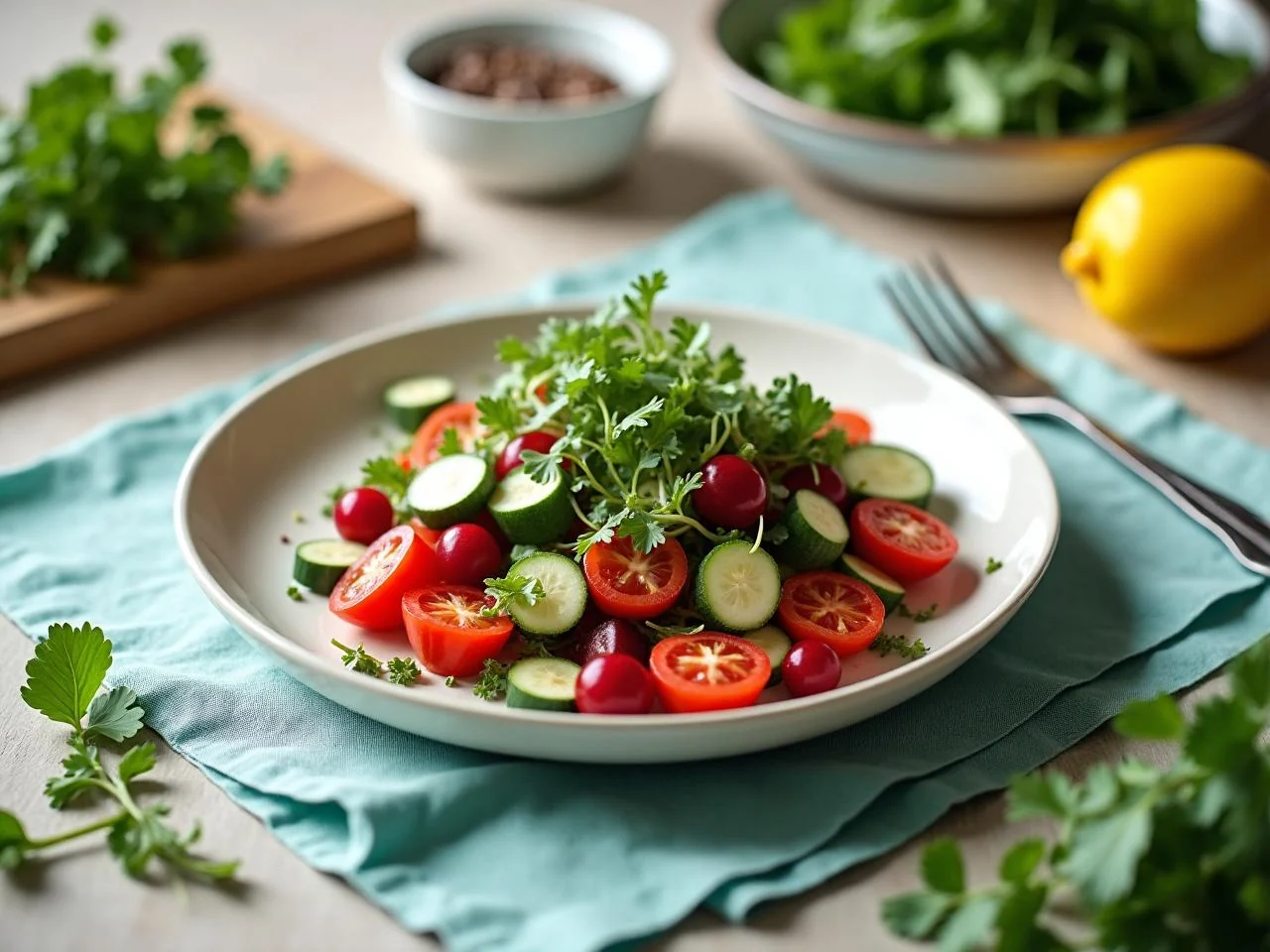
I still remember the first time I made a Greek Salad for my family. It was a warm summer evening, and we were all looking for something light and refreshing. I had just learned about the importance of balanced eating, and I wanted to create a dish that would not only taste great but also be good for us. That's when I turned to the classic Greek Salad, with its perfect combination of crunchy vegetables, tangy feta cheese, and savory olives.
As a registered dietitian, I've always been passionate about creating recipes that are both delicious and nutritious. And the Greek Salad is a perfect example of that. It's a dish that's easy to make, requires minimal cooking, and is packed with fiber, protein, and healthy fats. Plus, it's incredibly versatile - you can serve it as a side dish, add it to a bed of greens for a quick lunch, or even use it as a topping for a hearty grain bowl.
One of the things I love about the Greek Salad is its simplicity. It's a dish that requires just a few ingredients, but each one plays a crucial role in the overall flavor and texture. From the juicy tomatoes to the creamy feta cheese, every component is essential to the dish's success. And the best part? It's a recipe that's easy to customize to your tastes. Don't like olives? Leave them out. Prefer a different type of cheese? Go for it. The beauty of the Greek Salad is that it's a dish that can be tailored to your individual preferences.
So, who is this recipe for? It's for anyone looking for a healthy, easy, and delicious meal or side dish. It's perfect for a quick weeknight dinner, a weekend lunch, or even a special occasion. And the best part? It's a dish that's sure to please even the pickiest of eaters. So, go ahead and give it a try. I promise you won't be disappointed.
In this recipe, I'll show you how to make a classic Greek Salad that's both authentic and balanced. We'll start with the ingredients, and then I'll walk you through the simple steps to prepare the dish. From the chopping of the veggies to the mixing of the dressing, I'll be with you every step of the way. So, let's get started and make a delicious Greek Salad that's sure to become a staple in your kitchen.
Why You’ll Love This Recipe
- This recipe is easy to make and requires minimal cooking
- It's a healthy and balanced dish that's packed with fiber, protein, and healthy fats
- The Greek Salad is incredibly versatile and can be served at any time of day
- It's a dish that's perfect for a variety of occasions, from quick lunches to dinner parties
- The recipe is easy to customize to your tastes and preferences
- It's a classic recipe that's rooted in tradition and cultural significance
Why This Recipe Works
The Greek Salad works because of its perfect balance of flavors and textures. The crunchy veggies provide a satisfying crunch, while the creamy feta cheese adds a tangy richness. The olives add a salty depth, and the dressing brings everything together with a bright, zesty flavor. It's a dish that's greater than the sum of its parts, and each component plays a crucial role in the overall success of the recipe.
One of the key reasons the Greek Salad works is because of its emphasis on fresh, high-quality ingredients. From the juicy tomatoes to the crisp cucumbers, every component is essential to the dish's flavor and texture. And by using a simple vinaigrette dressing, we can bring out the natural flavors of the ingredients without overpowering them.
The Greek Salad also works because of its versatility. It's a dish that can be served at any time of day, and it's perfect for a variety of occasions. Whether you're looking for a quick lunch, a side dish for a dinner party, or a healthy snack, the Greek Salad is a great choice. And because it's so easy to customize, you can tailor it to your individual tastes and preferences.
Finally, the Greek Salad works because it's a dish that's rooted in tradition. It's a classic recipe that's been passed down through generations, and it's a staple of Greek cuisine. By using authentic ingredients and traditional techniques, we can create a dish that's both delicious and culturally significant. So, whether you're a foodie, a history buff, or just someone who loves good food, the Greek Salad is a recipe that's sure to delight.
Ingredients You’ll Need
When it comes to making a Greek Salad, the ingredients are everything. You'll need a variety of fresh veggies, including tomatoes, cucumbers, and red onions. You'll also need some creamy feta cheese, salty olives, and a few other ingredients to bring the dish together. In this section, we'll go through each of the ingredients you'll need, and I'll give you some tips on how to choose the best ones.
One of the most important things to keep in mind when shopping for ingredients is to choose the freshest, highest-quality options available. This will make a big difference in the flavor and texture of your Greek Salad. So, take your time, and don't be afraid to ask your grocer for recommendations. With the right ingredients, you'll be well on your way to making a delicious and authentic Greek Salad.
- 2 large tomatoes, dicedChoose ripe, flavorful tomatoes for the best results. You can use any variety you like, but cherry tomatoes or grape tomatoes work especially well in a Greek Salad.
- 1 large cucumber, peeled and thinly slicedEnglish cucumbers or hothouse cucumbers are great choices for a Greek Salad. They have a sweet, mild flavor and a crunchy texture that pairs well with the other ingredients.
- 1/2 red onion, thinly slicedRed onions add a sweet, pungent flavor to the Greek Salad. You can use any type of onion you like, but red onions are especially well-suited to this recipe.
- 1/2 cup pitted and sliced Kalamata olivesKalamata olives are a type of Greek olive that's known for its rich, fruity flavor. They're a key ingredient in a traditional Greek Salad, and they add a salty, savory depth to the dish.
- 1/2 cup crumbled feta cheeseFeta cheese is a type of Greek cheese that's made from sheep's milk or a combination of sheep's and goat's milk. It's salty, tangy, and creamy, and it adds a rich, indulgent flavor to the Greek Salad.
- 1/4 cup extra-virgin olive oilExtra-virgin olive oil is a high-quality oil that's made from the first pressing of olives. It has a rich, fruity flavor and a smooth, velvety texture that pairs well with the other ingredients in the Greek Salad.
- 2 tbsp red wine vinegarRed wine vinegar adds a bright, tangy flavor to the Greek Salad. You can use any type of vinegar you like, but red wine vinegar is especially well-suited to this recipe.
- 1 tsp dried oreganoDried oregano is a type of herb that's commonly used in Greek cooking. It has a pungent, earthy flavor that pairs well with the other ingredients in the Greek Salad.
- Salt and pepper to tasteSalt and pepper are essential seasonings in any dish, and they're especially important in a Greek Salad. They help to bring out the natural flavors of the ingredients and add depth and complexity to the dish.
- 4-6 lettuce leavesLettuce is a key ingredient in a Greek Salad, and it provides a crunchy, refreshing base for the other ingredients. You can use any type of lettuce you like, but romaine or butter lettuce work especially well.
- 1/4 cup chopped fresh parsleyFresh parsley adds a bright, fresh flavor to the Greek Salad. You can use any type of herb you like, but parsley is especially well-suited to this recipe.
- 1/4 cup chopped fresh dillFresh dill adds a sweet, tangy flavor to the Greek Salad. It's a key ingredient in many Greek dishes, and it pairs especially well with the feta cheese and olives.
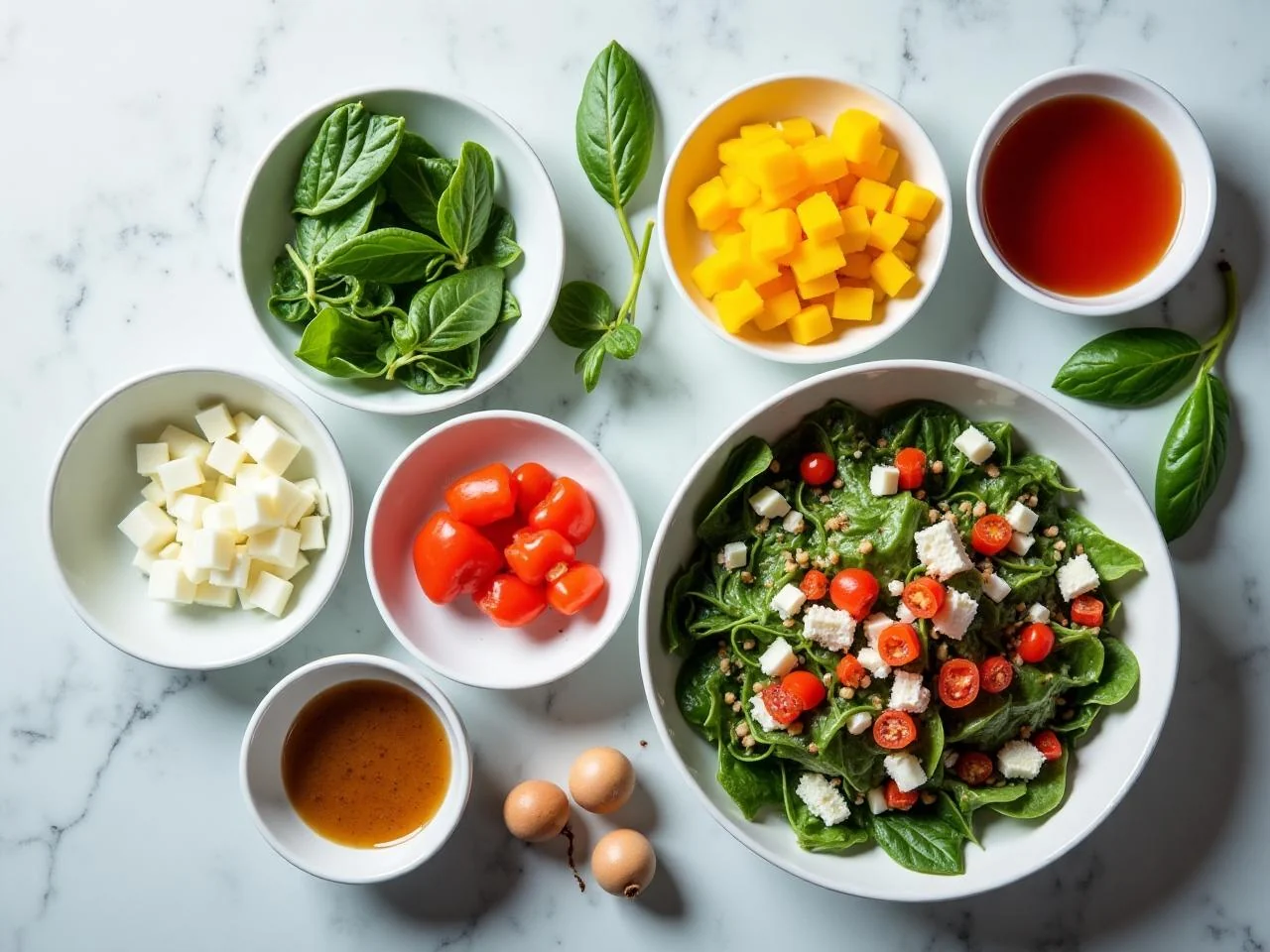
Equipment You’ll Need
How to Make Greek Salad
- 1Start by preparing the ingredients. Wash and dry the lettuce leaves, and chop them into bite-sized pieces. Slice the cucumbers and red onions, and dice the tomatoes.
- 2In a large bowl, combine the chopped lettuce, sliced cucumbers, and diced tomatoes.
- 3Add the sliced red onions to the bowl, and sprinkle the crumbled feta cheese over the top.
- 4In a small bowl, whisk together the olive oil, red wine vinegar, and dried oregano.
- 5Pour the dressing over the salad, and toss to combine.
- 6Add the chopped fresh parsley and dill to the bowl, and toss again to combine.
- 7Season the salad with salt and pepper to taste.
- 8Cover the bowl with plastic wrap, and refrigerate the salad for at least 30 minutes to allow the flavors to meld.
- 9Just before serving, sprinkle the pitted and sliced Kalamata olives over the top of the salad.
- 10Serve the salad chilled, garnished with additional parsley and dill if desired.
- 11You can also serve the salad with a side of pita bread or crackers for a more filling meal.
- 12To make the salad more substantial, you can add some cooked chicken or salmon on top.
Expert Tips
- Use the freshest ingredients possible for the best flavor and texture.
- Don't overdress the salad - you want the ingredients to be lightly coated with the dressing, not swimming in it.
- Let the salad sit at room temperature for 30 minutes before serving to allow the flavors to meld.
- Add some crumbled feta cheese to the salad just before serving for an extra burst of flavor.
- Use a variety of colors in the salad to make it visually appealing.
- Consider adding some chopped bell peppers or carrots to the salad for extra flavor and texture.
- To make the salad more substantial, you can add some cooked quinoa or brown rice to the bowl.
- You can also add some chopped nuts or seeds to the salad for extra crunch and nutrition.
Common Mistakes to Avoid
- Overdressing the salad, which can make it soggy and unappetizing.
- Not using fresh, high-quality ingredients, which can affect the flavor and texture of the salad.
- Not letting the salad sit at room temperature for 30 minutes before serving, which can prevent the flavors from melding together.
- Adding too many ingredients to the salad, which can make it overwhelming and unbalanced.
- Not seasoning the salad with salt and pepper, which can make it taste flat and uninteresting.
- Not using a variety of colors in the salad, which can make it visually unappealing.
Variations and Substitutions
- Add some chopped grilled chicken or salmon to the salad for extra protein.
- Use different types of cheese, such as goat cheese or parmesan, for a unique flavor.
- Add some chopped nuts or seeds, such as walnuts or pumpkin seeds, for extra crunch and nutrition.
- Use different types of lettuce, such as arugula or spinach, for a peppery flavor.
- Add some diced avocado to the salad for extra creaminess and nutrition.
- Use different types of olives, such as green olives or black olives, for a unique flavor.
- Add some chopped fresh herbs, such as basil or mint, for a bright and refreshing flavor.
What to Serve With Greek Salad
The Greek Salad is a versatile dish that can be served in a variety of ways. You can serve it as a side dish, add it to a bed of greens for a quick lunch, or even use it as a topping for a hearty grain bowl. It's also a great dish to serve at a dinner party or special occasion, as it's easy to make in large quantities and can be customized to suit your tastes and preferences.
Some ideas for serving the Greek Salad include serving it with a side of pita bread or crackers, adding some chopped grilled chicken or salmon on top, or using it as a topping for a salad or grain bowl. You can also serve it as a light and refreshing lunch or dinner, paired with a side of fruit or a green salad.
Make-Ahead, Storage, Freezing and Reheating
The Greek Salad can be stored in the refrigerator for up to 24 hours. It's best to store it in an airtight container, such as a glass or plastic bowl with a lid, to keep it fresh and prevent it from absorbing odors from other foods in the fridge.
To store the salad, simply cover the bowl with plastic wrap or aluminum foil and refrigerate it at a temperature of 40°F (4°C) or below. You can also store it in a sealed container, such as a glass or plastic container with a lid, to keep it fresh and prevent it from spilling or leaking.
When you're ready to serve the salad, simply remove it from the refrigerator and let it sit at room temperature for 30 minutes to allow the flavors to meld. You can also give it a quick stir and add any additional ingredients, such as chopped fresh herbs or a squeeze of lemon juice, to refresh the flavors.
The Greek Salad can also be frozen for up to 3 months. To freeze it, simply place the salad in a sealed container or freezer bag and store it in the freezer at a temperature of 0°F (-18°C) or below. When you're ready to serve it, simply thaw it in the refrigerator or at room temperature and give it a quick stir to refresh the flavors.
Frequently Asked Questions
What type of lettuce is best for a Greek Salad?
Romaine or butter lettuce work well for a Greek Salad, as they have a mild flavor and a crunchy texture. You can also use other types of lettuce, such as arugula or spinach, for a peppery flavor.
Can I use different types of cheese in a Greek Salad?
Yes, you can use different types of cheese in a Greek Salad, such as goat cheese or parmesan, for a unique flavor. Feta cheese is traditional, but you can experiment with other types of cheese to find the one you like best.
How long can I store a Greek Salad in the refrigerator?
A Greek Salad can be stored in the refrigerator for up to 24 hours. It's best to store it in an airtight container, such as a glass or plastic bowl with a lid, to keep it fresh and prevent it from absorbing odors from other foods in the fridge.
Can I freeze a Greek Salad?
Yes, you can freeze a Greek Salad for up to 3 months. Simply place the salad in a sealed container or freezer bag and store it in the freezer at a temperature of 0°F (-18°C) or below. When you're ready to serve it, simply thaw it in the refrigerator or at room temperature and give it a quick stir to refresh the flavors.
What are some variations I can make to a Greek Salad?
There are many variations you can make to a Greek Salad, such as adding chopped grilled chicken or salmon, using different types of cheese, or adding some chopped nuts or seeds for extra crunch and nutrition. You can also use different types of lettuce or olives to change up the flavor and texture of the salad.
Can I serve a Greek Salad as a main dish?
Yes, you can serve a Greek Salad as a main dish, especially if you add some protein such as grilled chicken or salmon. It's also a great side dish or topping for a salad or grain bowl.
How do I make a Greek Salad more substantial?
You can make a Greek Salad more substantial by adding some cooked quinoa or brown rice, or by adding some chopped nuts or seeds for extra crunch and nutrition. You can also add some chopped grilled chicken or salmon for extra protein.
Can I make a Greek Salad ahead of time?
Yes, you can make a Greek Salad ahead of time, but it's best to assemble it just before serving. You can chop the ingredients and store them in separate containers, then combine them just before serving. This will help to prevent the salad from becoming soggy or wilted.
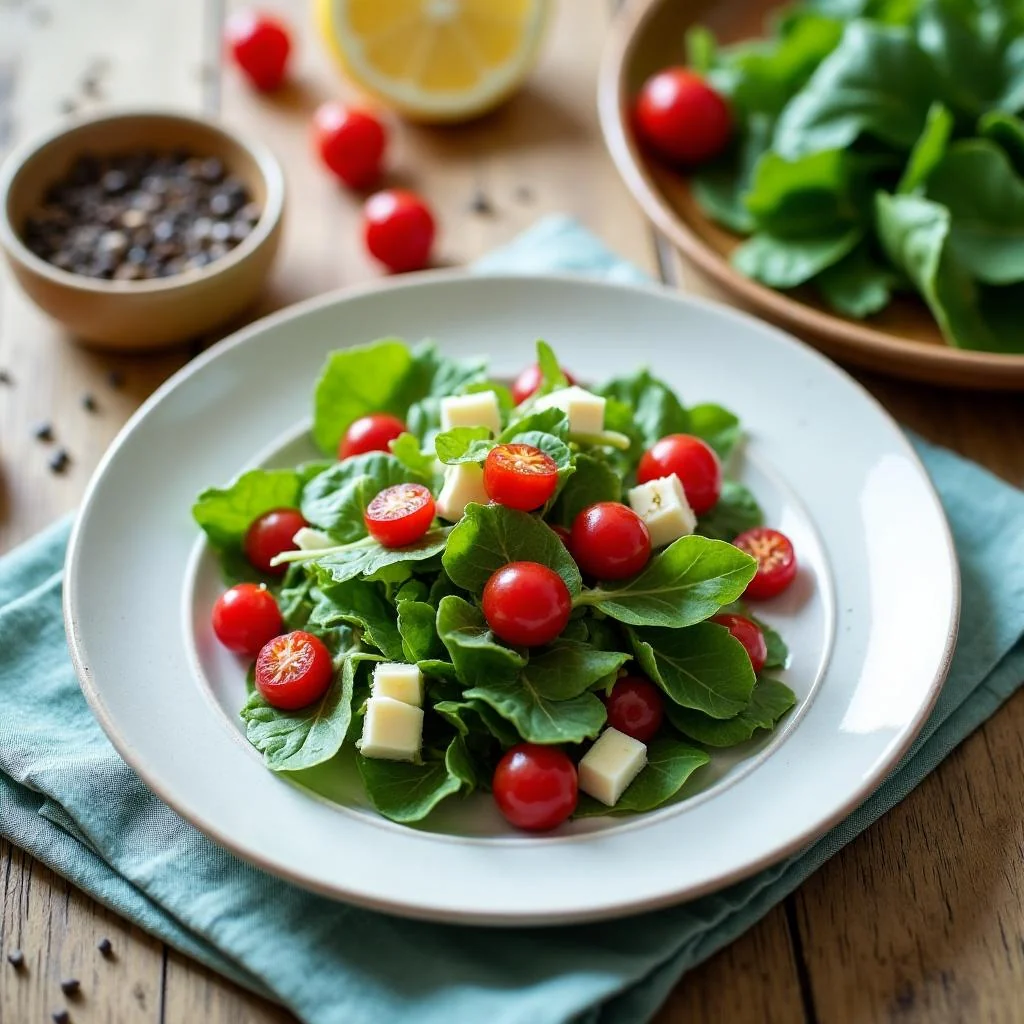
Ingredients
- 2 large tomatoes, diced
- 1 large cucumber, peeled and thinly sliced
- 1/2 red onion, thinly sliced
- 1/2 cup pitted and sliced Kalamata olives
- 1/2 cup crumbled feta cheese
- 1/4 cup extra-virgin olive oil
- 2 tbsp red wine vinegar
- 1 tsp dried oregano
- Salt and pepper to taste
- 4-6 lettuce leaves
- 1/4 cup chopped fresh parsley
- 1/4 cup chopped fresh dill
Instructions
- Start by preparing the ingredients. Wash and dry the lettuce leaves, and chop them into bite-sized pieces. Slice the cucumbers and red onions, and dice the tomatoes.
- In a large bowl, combine the chopped lettuce, sliced cucumbers, and diced tomatoes.
- Add the sliced red onions to the bowl, and sprinkle the crumbled feta cheese over the top.
- In a small bowl, whisk together the olive oil, red wine vinegar, and dried oregano.
- Pour the dressing over the salad, and toss to combine.
- Add the chopped fresh parsley and dill to the bowl, and toss again to combine.
- Season the salad with salt and pepper to taste.
- Cover the bowl with plastic wrap, and refrigerate the salad for at least 30 minutes to allow the flavors to meld.
- Just before serving, sprinkle the pitted and sliced Kalamata olives over the top of the salad.
- Serve the salad chilled, garnished with additional parsley and dill if desired.
- You can also serve the salad with a side of pita bread or crackers for a more filling meal.
- To make the salad more substantial, you can add some cooked chicken or salmon on top.