Picture the chaos of a last‑minute dinner: a phone call from a friend who’s craving seafood, a pantry that’s only half‑filled, and your kitchen lights flickering like a disco ball. I was staring at a bag of frozen shrimp, a lemon that had seen better days, and a stack of recipes that promised “simple” but delivered nothing more than a bland, forgettable plate. That night, I decided to rewrite the rules, to turn a routine into a revelation. The result? A dish that feels like a hug in a bowl, with a buttery citrus kiss that makes your taste buds do a happy dance.
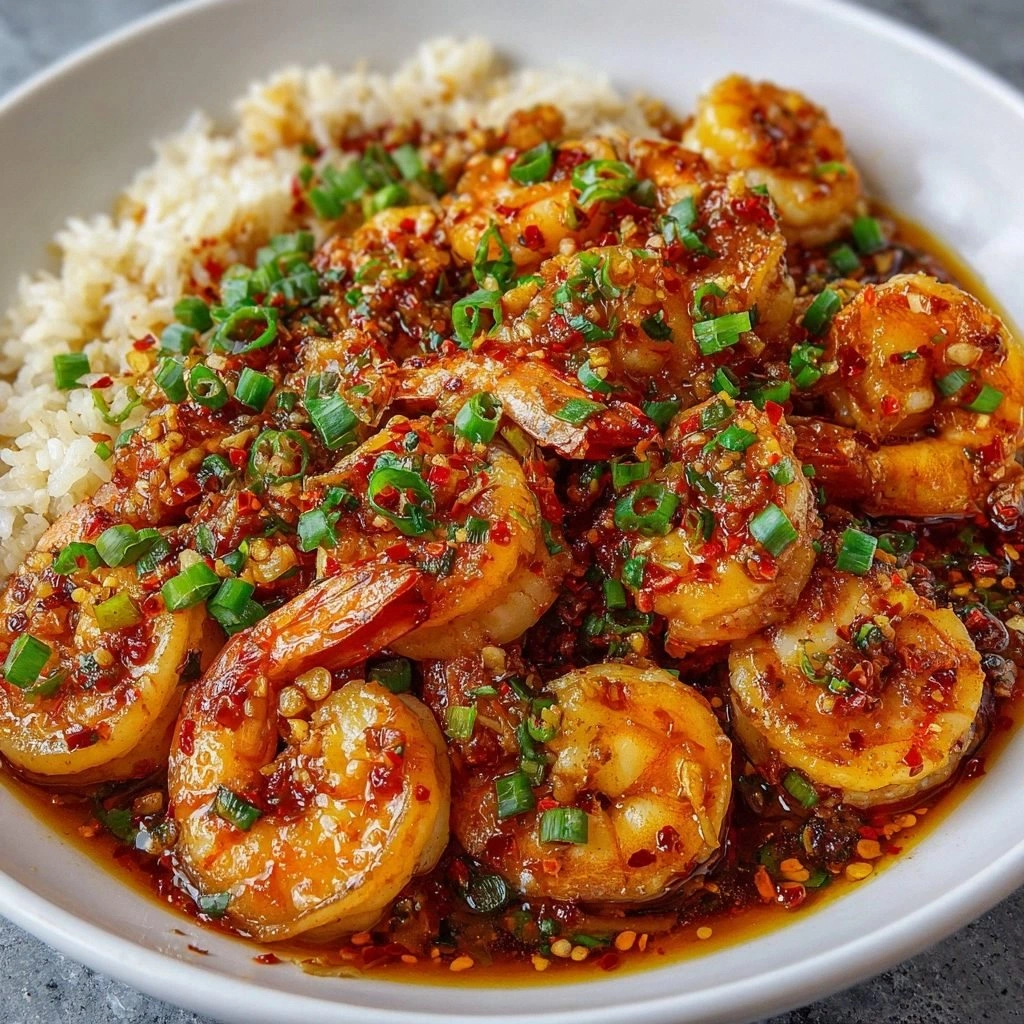
The first bite is a revelation: bright lemon, silky butter, and shrimp that’s tender yet still has a bite. The aroma is a citrus‑butter symphony that fills the kitchen, while the sizzling sound of the pan is the soundtrack of a culinary triumph. The texture is a contrast of glossy shrimp and a slight crunch from the herbs, a harmony that dances across your palate. The flavor profile is balanced—no single ingredient overpowers, each one whispers its own story. And the best part? It’s a dish that feels like a gourmet experience without the gourmet price tag.
I dare you to taste this and not go back for seconds. I’ll be honest—half of the batch vanished before the first guest even had a fork in hand. The secret lies in the butter‑lemon ratio, the timing of the garlic, and a splash of olive oil that keeps the shrimp from drying out. Most recipes get this completely wrong, treating the shrimp like a side dish rather than the star. Here’s what actually works: a quick sear, a buttery glaze, and a final finish of fresh herbs that lifts the entire dish.
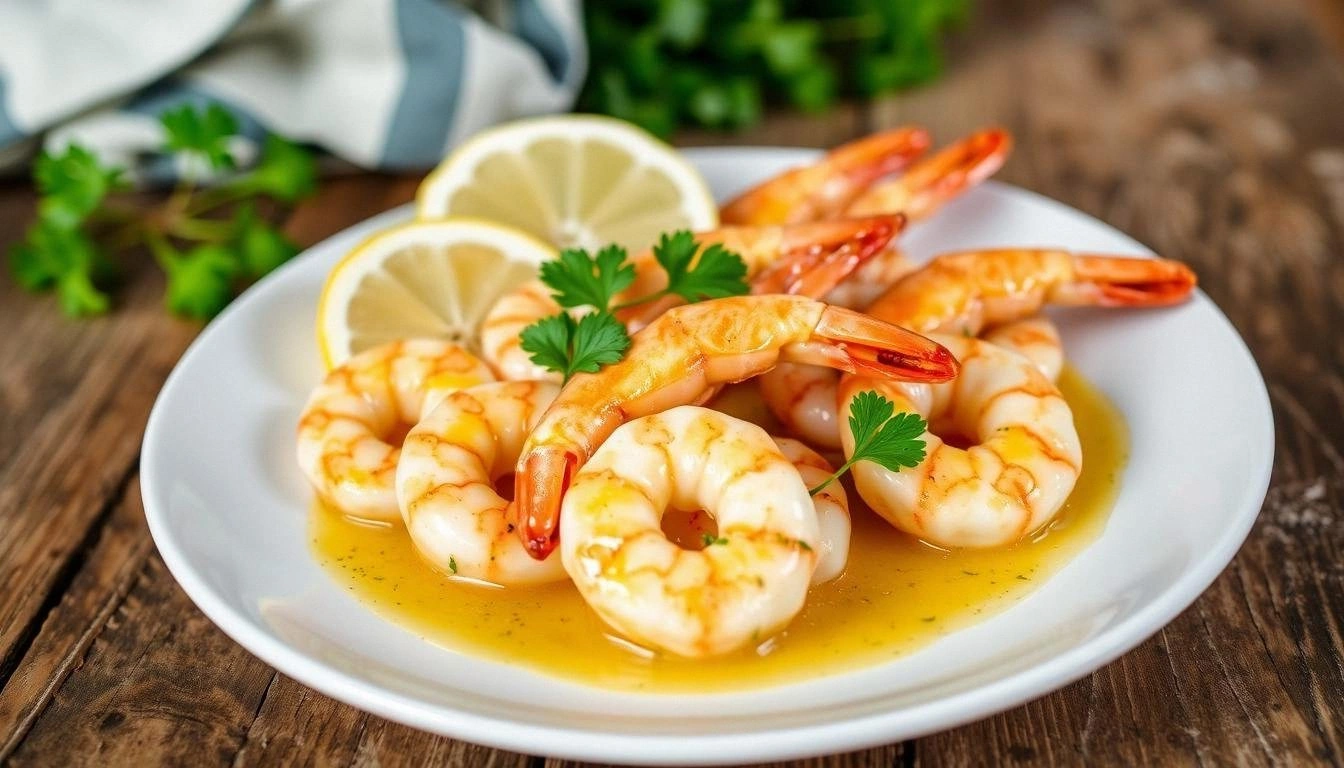
Picture yourself pulling this out of the oven, the whole kitchen smelling incredible, the steam swirling like a fragrant cloud. The shrimp glistens with a golden sheen, the lemon zest dancing like tiny fireworks. You’re not just cooking; you’re creating a moment, a memory that will linger long after the last bite. Let me walk you through every single step—by the end, you’ll wonder how you ever made it any other way.
What Makes This Version Stand Out
- Taste: The lemon butter sauce is a velvety coating that lets the shrimp’s natural sweetness shine while adding a bright, zesty punch that wakes up the palate.
- Texture: A quick sear locks in juiciness, then the butter creates a silky finish that gives the shrimp a subtle, glossy sheen without turning it soggy.
- Simplicity: Five core ingredients plus a handful of pantry staples—no fancy gadgets or hard‑to‑find items required.
- Uniqueness: The blend of paprika and oregano gives a smoky undertone that sets this dish apart from the usual lemon‑butter shrimp.
- Crowd Reaction: Guests who’ve tried other shrimp recipes often remark that this one is “the most flavorful” and “the easiest to pull off.”
- Ingredient Quality: Fresh shrimp, real butter, and a hand‑picked lemon are the foundation; the rest is about technique, not gimmicks.
- Cooking Method: Baking rather than pan‑frying keeps cleanup minimal while still delivering a caramelized, golden exterior.
- Make‑Ahead Potential: The sauce can be pre‑made and stored, allowing you to assemble and bake just minutes before serving.
Alright, let's break down exactly what goes into this masterpiece...
Inside the Ingredient List
The Flavor Base
Butter and olive oil are the unsung heroes that carry the lemon’s brightness. The butter melts into a glossy sauce, while the olive oil adds a subtle depth that keeps the shrimp from drying out. If you skip either, you’ll end up with a dish that feels flat and lacking the signature silky finish.
The Texture Crew
Shrimp is the star of the show, but the garlic, paprika, and oregano are the supporting cast that give the dish character. The garlic adds a warm, aromatic base, while paprika brings a smoky undertone and oregano introduces a hint of earthiness. Omitting these would leave the shrimp feeling bland and the sauce one‑dimensional.
The Unexpected Star
Lemon zest is often overlooked, but it delivers a concentrated burst of citrus that enhances every bite. The zest’s oils are packed with flavor, making the sauce feel brighter without adding acidity. If you’re short on zest, a tablespoon of lemon juice can partially compensate, but you’ll lose that aromatic punch.
The Final Flourish
Fresh parsley is the finishing touch that brings vibrancy and a touch of green to the plate. It adds a fresh, herbal note that balances the richness of butter and the sharpness of lemon. Skipping the parsley may not ruin the dish, but it will feel a bit flat and less visually appealing.
Everything's prepped? Good. Let's get into the real action...
The Method — Step by Step
- Preheat your oven to 400°F (200°C) while you gather your ingredients. The oven’s steady heat will create a caramelized crust on the shrimp’s surface. Make sure your baking sheet is lined with parchment paper to avoid sticking.
- In a small saucepan, melt the butter over medium heat until it starts to foam. Add the minced garlic and sauté until fragrant—about 30 seconds. The garlic should release its oils but not brown.
- Pour in the olive oil and stir to combine. The mixture should form a silky emulsion, indicating the butter is fully integrated. This step prevents the shrimp from drying out during baking.
- Add the lemon zest, lemon juice, paprika, oregano, and red pepper flakes to the pan. Stir until the spices coat the butter evenly. The aroma should be bright, with a hint of smoky warmth.
- Toss the shrimp in the sauce, ensuring each piece is coated. Let them marinate for 5 minutes; this allows the flavors to penetrate the flesh without the shrimp becoming mushy.
- Arrange the shrimp on the prepared baking sheet in a single layer. This ensures even cooking and a crisp exterior. Avoid overcrowding to prevent steaming.
- Bake for 8-10 minutes, or until the shrimp turn opaque and the edges curl slightly. The sauce should be bubbly and slightly caramelized. Keep an eye on the color—when it’s a golden blush, it’s done.
- Remove from the oven and sprinkle fresh parsley over the shrimp. The parsley adds a fresh, green contrast that brightens the plate. Let the shrimp rest for a minute before serving.
- Serve immediately over pasta, rice, or a bed of steamed greens. The sauce will cling to the grains, turning a simple side into a main course. Pair with a crisp white wine for a balanced meal.
That’s it — you did it. But hold on, I’ve got a few more tricks that’ll take this to another level...
Insider Tricks for Flawless Results
The Temperature Rule Nobody Follows
Many cooks assume a low oven is safer for shrimp, but 400°F is the sweet spot for caramelization without overcooking. The high heat creates a quick sear that locks in moisture, while the butter’s fat content melts evenly, preventing a greasy finish. If you’re using a convection oven, reduce the temperature by 25°F to avoid over‑browning.
Why Your Nose Knows Best
The aroma of garlic and lemon is a reliable indicator that the sauce is ready. When the butter starts to turn golden and the garlic releases its oils, it’s time to add the shrimp. Trust your nose; if the scent feels bright and buttery, you’re on the right track.
The 5-Minute Rest That Changes Everything
Letting the shrimp rest for five minutes after baking allows the juices to redistribute. This simple pause prevents the shrimp from drying out when you cut into them. The result is a juicy, tender bite that feels like a cloud.
The Secret of the Fresh Parsley
Fresh parsley isn’t just a garnish; it adds a burst of color and a peppery finish that balances the richness of butter. Chop it finely so the flavor is distributed evenly. If parsley isn’t available, a splash of chopped cilantro can substitute, offering a slightly different but equally refreshing twist.
The One‑Minute Final Touch
Right before serving, drizzle a teaspoon of lemon zest oil or a few drops of extra‑virgin olive oil. This adds a glossy sheen and a subtle citrus lift that makes the dish look and taste even more luxurious. The oil should be warm, not hot, to preserve the delicate flavors.
Creative Twists and Variations
This recipe is a playground. Here are some of my favorite ways to switch things up:
Spicy Cajun Shrimp
Swap paprika for a Cajun spice blend and add a pinch of cayenne. The result is a bold, fiery shrimp that pairs perfectly with a cooling avocado salsa.
Garlic Parmesan Crust
After baking, sprinkle grated Parmesan over the shrimp and broil for 1-2 minutes. The cheese melts into a golden crust that adds a savory depth to the buttery base.
Herb‑Infused Olive Oil
Infuse the olive oil with rosemary or thyme before adding it to the sauce. The herb oils transfer subtle flavors to the shrimp, creating an aromatic, Mediterranean twist.
Citrus Swap
Replace lemon with lime for a tart, slightly sweeter profile. The lime zest also offers a bright, green hue that makes the dish pop visually.
Saffron‑Infused Rice
Serve the shrimp over saffron‑infused rice for a luxurious, aromatic accompaniment. The subtle floral notes of saffron complement the citrusy butter sauce beautifully.
Storing and Bringing It Back to Life
Fridge Storage
Store leftover shrimp in an airtight container in the refrigerator for up to 2 days. Keep the sauce separate to prevent the shrimp from becoming soggy. When ready to eat, reheat gently on the stove and stir in a splash of lemon juice to revive the brightness.
Freezer Friendly
Freeze the shrimp in a single layer on a parchment‑lined tray, then transfer to a freezer bag. They stay good for up to 3 months. Thaw overnight in the fridge before reheating.
Best Reheating Method
Reheat in a skillet over medium heat, adding a tablespoon of water or broth to steam the shrimp. This method keeps the shrimp tender and the sauce silky. A quick microwave reheat is also possible, but watch the shrimp closely to avoid overcooking.