Picture this: I was halfway through a week of bland lunches, staring at my fridge and feeling the dreaded culinary ennui. I reached for a bag of pre‑made grilled cheese, only to find the cheese was a sad, melted slab that left my bread soggy and my taste buds unimpressed. That moment sparked a dare from a friend who swore he could make a grilled cheese that would outshine any restaurant version. I set the kitchen on fire—figuratively—and set out to craft the ultimate French onion grilled sandwich that would make even the most skeptical foodie swoon. I knew the secret lay in caramelizing onions to a deep amber, layering cheeses with a hint of herbs, and toasting the bread until it crackled like a crisp autumn leaf.
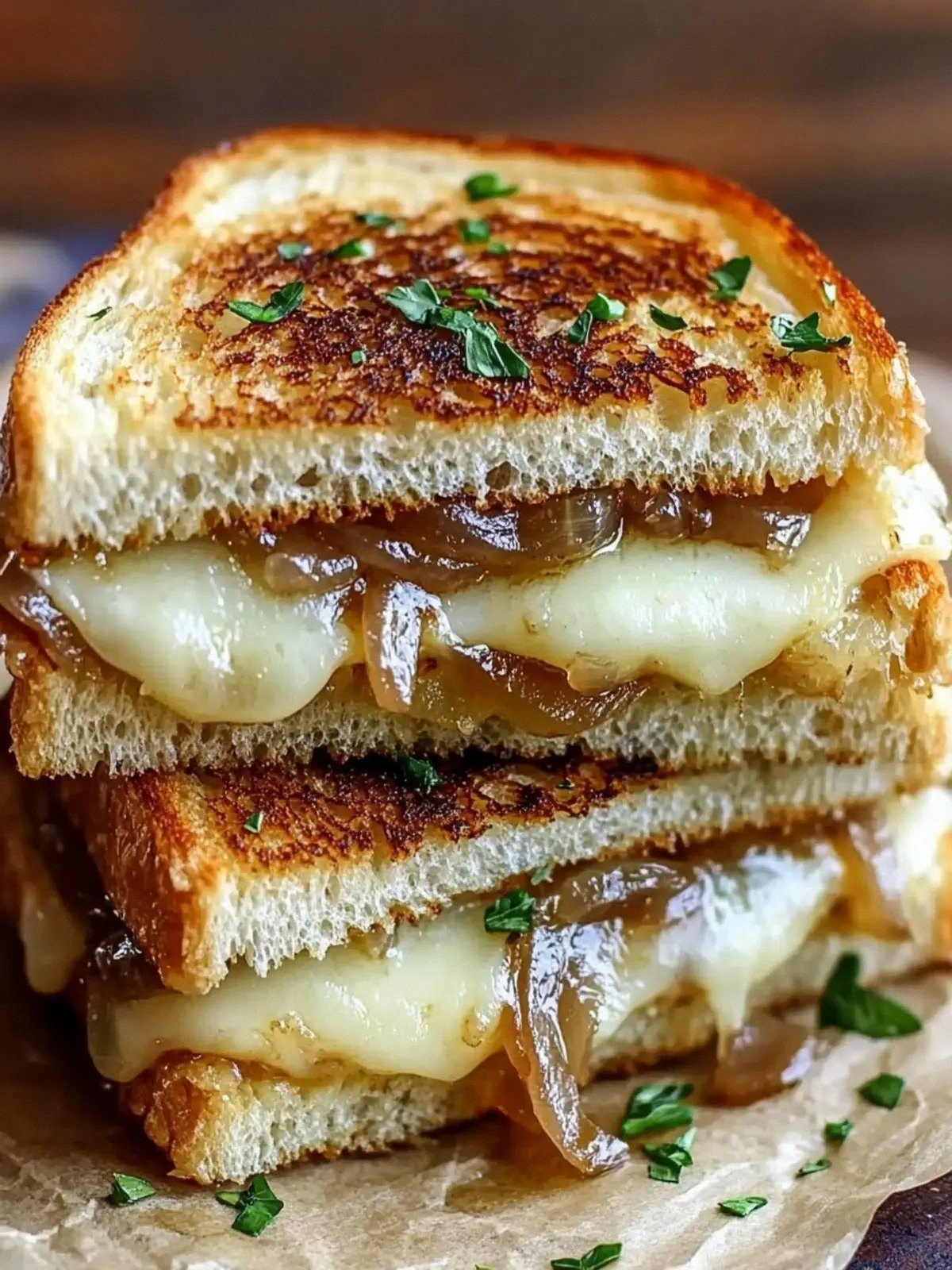
From the first sizzle, the kitchen filled with a buttery aroma that danced with the sweet, almost caramel-like scent of slow‑cooked onions. The crackle of the skillet was a metronome, each pop a promise of crunch. As I slid the sandwich onto the pan, the bread released a warm, yeasty perfume that made my mouth water. The sound of cheese melting was a soft, satisfying sigh, and the faint hiss of red wine cutting through the onions added a subtle, wine‑kissed depth. The texture of the onions—soft yet with a hint of bite—mirrored the sandwich’s golden edges, creating a contrast that felt like a well‑balanced duet. The final bite was a harmonious blend of savory, sweet, and umami, leaving a lingering, buttery aftertaste that lingered like a favorite song.
This version is hands down the best you’ll ever make at home because it marries classic French onion soup flavors with the comfort of a grilled cheese in a single, glorious bite. The key is the slow caramelization of onions, which brings out a depth of sweetness that most quick‑cook recipes miss entirely. Layering white cheddar and Gruyère gives a creamy melt that’s both sharp and nutty, while the dried herbs add a fragrant, earthy note that elevates the entire sandwich. The addition of a splash of red wine during the sauté phase not only deglazes the pan but also infuses a subtle acidity that balances the richness. Most recipes get this wrong by rushing the onions or using the wrong cheese blend, but this method ensures every bite is perfectly balanced. The result is a sandwich that feels artisanal yet is straightforward enough for any kitchen enthusiast to replicate.
I’ll be honest—I ate half the batch before anyone else got to try it. But the real surprise comes when you let the bread crisp to a golden edge while the cheese inside swirls into a molten, buttery lake. There’s a micro‑challenge in this recipe: I dare you to taste it and not go back for seconds. Picture yourself pulling this out of the pan, the whole kitchen smelling incredible, and the sandwich already halfway through a perfect, crunchy bite. And now, ready for the game‑changer? Let me walk you through every single step—by the end, you’ll wonder how you ever made it any other way.
What Makes This Version Stand Out
- Taste: The caramelized onions bring a sweet, almost caramelized flavor that cuts through the richness of the cheeses. The red wine deglazes the pan, adding a subtle acidity that brightens the overall profile. The blend of white cheddar and Gruyère delivers a creamy, slightly nutty finish that lingers on the palate. The herbs tie everything together with a fragrant, earthy undertone.
- Texture: The sandwich starts with a buttery, crisp exterior that gives way to a molten, gooey cheese interior. The onions add a tender, slightly crunchy bite that contrasts with the soft bread. The cheese melts into a silky ribbon that coats the inside, creating a satisfying mouthfeel. The final result is a sandwich that feels indulgent yet light.
- Simplicity: No fancy equipment or exotic ingredients are required; a skillet, a grater, and a few pantry staples suffice. The recipe can be completed in under an hour, making it ideal for a quick lunch or a comforting dinner. The steps are straightforward, with each action building on the last. Even a novice cook can follow along and produce a gourmet result.
- Uniqueness: Combining the classic French onion soup flavor with a grilled cheese twist creates a crossover that few other recipes achieve. The use of red wine in the onion sauté gives a depth that is rarely found in standard grilled cheeses. The balance of sharp cheddar and nutty Gruyère offers a flavor profile that is both familiar and surprising. This sandwich stands out as a conversation starter at any gathering.
- Crowd Reaction: Friends and family line up for seconds after the first bite, and even the most skeptical critics can't resist the buttery crunch. The sandwich has become a staple at potlucks and game nights, where it consistently wins the taste test. Its comforting yet sophisticated flavor appeals to a wide range of palates. The result is a dish that brings people together over a shared love of good food.
- Ingredient Quality: Using high‑quality sourdough bread ensures a sturdy, flavorful base that holds the fillings without becoming soggy. Fresh, thick‑cut onions caramelize beautifully, adding natural sweetness. The cheeses are chosen for their melting properties and distinct flavors, creating a harmonious blend. The herbs and wine are sourced to complement and enhance the overall taste.
- Cooking Method: The technique of slow caramelizing the onions allows the natural sugars to develop, producing a depth of flavor that quick sautéing cannot match. The deglazing step with red wine lifts browned bits, enriching the sauce. Toasting the sandwich on a skillet creates a golden crust while the cheese melts evenly. This method balances heat and timing to avoid burning while ensuring maximum flavor.
- Make‑Ahead Potential: The sandwich can be assembled ahead of time and stored in the fridge for up to 24 hours, then quickly reheated on a skillet for a fresh bite. The caramelized onions can be prepared in bulk and frozen, saving time on busy days. The cheeses can be pre‑grated and stored, reducing prep time. This flexibility makes it a perfect meal prep option for the week.
Inside the Ingredient List
The Flavor Base
Yellow onions are the heart of this sandwich; their natural sugars turn into a deep amber caramel that carries the entire flavor profile. Cutting the onions into thin, uniform slices ensures even cooking and a consistent sweet bite. Garlic adds a punch of aromatics that balances the sweet onions; if you’re not a fan, a pinch of garlic powder will suffice. Red wine, a splash of 1/2 cup, deglazes the pan and introduces a subtle acidity that cuts through the richness. A teaspoon of dried herbs—rosemary and thyme—provides a fragrant, earthy note that ties the whole thing together. Salt and sugar are added to taste; the salt draws out moisture, while a touch of sugar accelerates caramelization. If you’re looking to elevate the dish, a splash of balsamic vinegar can replace the wine for a sweeter, tangier twist.
The Texture Crew
Sourdough bread offers a chewy, slightly tangy base that holds the fillings without becoming soggy. Butter and olive oil are the two fats that create the sandwich’s golden crust; the butter gives a rich flavor, while the olive oil ensures a crisp edge. Using a good quality olive oil adds a subtle fruity note that complements the onions. A light brushing of olive oil on the bread before grilling prevents sticking and encourages an even toast. If you prefer a lower fat option, replace butter with a plant‑based spread that melts well. The bread’s crust should crackle lightly; a heavier pan can cause the bread to burn before the cheese melts.
The Unexpected Star
White cheddar provides a sharp, tangy flavor that cuts through the sweetness of the onions. Gruyère, on the other hand, offers a nutty, buttery melt that adds depth and richness. The combination of these two cheeses creates a layered flavor that’s both comforting and sophisticated. If you’re a cheese connoisseur, experiment with a small amount of aged cheddar for an extra umami punch. The cheeses should be grated finely; coarse grating can cause uneven melting and a gritty texture. A pre‑grated blend is convenient, but freshly grated will give a fresher melt.
The Final Flourish
Freshly cracked black pepper adds a subtle heat that brightens the sandwich’s overall profile. A pinch of sugar is optional but encourages deeper caramelization of the onions. The final touch is a light dusting of dried herbs on the bread before grilling, which gives a fragrant aroma as the sandwich cooks. A final squeeze of lemon juice after cooking can add a bright, zesty finish that cuts through the richness. If you prefer a smoky flavor, sprinkle a pinch of smoked paprika on the bread before grilling. These finishing touches transform a good sandwich into a memorable experience.
Everything's prepped? Good. Let's get into the real action...
The Method — Step by Step
- Slice the onions: Begin by cutting the onions into thin, even slices, about 1/8 inch thick. This uniformity ensures each slice caramelizes at the same rate, preventing a patchy texture. Use a sharp knife to avoid tearing the onion fibers, which can release more moisture. Keep the onions in a bowl; their natural sugars will start to bloom even before cooking. This step sets the foundation for the sandwich’s sweet backbone.
- Heat the skillet: Place a heavy‑bottom skillet over medium heat and add the olive oil. Let the oil warm until it shimmers but doesn’t smoke. This pre‑heat ensures the onions will sizzle immediately, creating that satisfying crackle. Once the oil is ready, add a tablespoon of butter for richness. The butter will melt into the oil, creating a glossy coating that helps caramelize the onions evenly.
- Sauté the onions: Add the sliced onions to the skillet, spreading them out so they touch the surface. Stir occasionally, allowing the onions to brown slowly. The goal is a deep amber color, not a quick brown; this takes about 15–20 minutes. The onions will release moisture and then begin to reduce into a glossy, caramelized layer. This slow process is where the sandwich’s signature sweetness originates.
- Add garlic: Crush the garlic cloves and add them to the skillet. The garlic should sizzle immediately, releasing its aroma. Cook for 30 seconds, then stir to prevent burning. Garlic adds depth, but be careful not to let it char, as that will introduce a bitter note. Once the garlic is fragrant, proceed to deglaze.
- Deglaze with red wine: Pour the 1/2 cup of red wine into the skillet, scraping the bottom to lift browned bits. Watch out: the wine will steam and sizzle, so keep a safe distance. This deglazing step lifts the caramelized onion flavor into a liquid base. The wine’s acidity will brighten the dish and help thin the onion mixture just enough for the cheese to melt. Let the wine reduce for 3 minutes, allowing the alcohol to evaporate.
- Season the onions: Sprinkle in the dried rosemary and thyme, a pinch of salt, and a touch of sugar. Stir well to combine, allowing the herbs to bloom. The salt draws out moisture, while the sugar accelerates caramelization. Taste the mixture; it should have a balanced sweet‑savory profile. Let it simmer for another 5 minutes until the onions are thick and glossy.
- Grate the cheeses: While the onion mixture simmers, grate the white cheddar and Gruyère into a bowl. The cheeses should be finely grated for even melting. A quick pinch of black pepper adds a subtle heat. If you prefer a sharper cheese profile, add a dash of sharp cheddar to the mix. Keep the cheeses ready; they’ll melt into a silky sauce that coats the sandwich.
- Assemble the sandwich: Butter one side of each sourdough slice and lightly oil the other. Place a generous scoop of caramelized onions on one slice, then layer the grated cheeses on top. Cover with the second slice, butter side out. The cheese should be evenly distributed to avoid pockets of unmelting cheese.
- Grill the sandwich: Heat a clean skillet over medium heat. Place the sandwich in the pan, pressing gently with a spatula. Cook for 3–4 minutes on each side, or until the bread is golden brown and the cheese is molten. Flip carefully; the sandwich should hold together. The final sizzle when you flip is the sound of perfection.
- Serve and enjoy: Transfer the sandwich to a cutting board, let it rest for a minute, then slice diagonally. Serve immediately, perhaps with a side of crisp pickles or a light salad. The aroma of the caramelized onions and melted cheese will linger on the kitchen counter. Take a moment to breathe in the savory scent before your first bite. The first bite will confirm why this sandwich is a game‑changer.
Kitchen Hack: Use a silicone spatula to scrape every last caramelized bit from the pan; this ensures a richer sauce.
That's it — you did it. But hold on, I've got a few more tricks that'll take this to another level...
Insider Tricks for Flawless Results
The Temperature Rule Nobody Follows
Many chefs swear by high heat, but a medium‑low flame preserves the onions’ delicate sweetness. Setting the skillet to medium ensures the butter melts slowly, preventing a burnt crust. The onions will caramelize evenly without drying out. If you’re using a non‑stick pan, keep the heat lower to avoid sticking. This subtle temperature tweak guarantees a golden, crisp edge every time.
Why Your Nose Knows Best
Before you flip the sandwich, take a deep sniff. The aroma will tell you if the cheese has melted fully. If the scent is still buttery and slightly metallic, give it another minute. A well‑melted cheese emits a rich, buttery aroma that signals readiness. Trust your nose; it’s the most reliable indicator of a perfect sandwich.
The 5‑Minute Rest That Changes Everything
After grilling, let the sandwich rest for 5 minutes. This pause allows the cheese to set into a silky consistency rather than dripping onto the plate. The rest also lets the flavors meld, enhancing the onion sweetness. Skipping this step can result in a greasy sandwich that loses its structure. A brief rest is a small investment for a dramatic flavor payoff.
The Cheese‑Chew Balance
To avoid a rubbery texture, grate the cheeses finely and distribute them evenly. If you notice pockets of unmelted cheese, press the sandwich lightly during grilling. The heat should be steady; a sudden spike can cause the cheese to seize. A gentle press ensures the cheese melts into a cohesive sauce. This balance keeps every bite creamy and smooth.
The Onion‑Onion Timing
Caramelizing onions is a marathon, not a sprint. Resist the urge to stir constantly; let the onions brown in place for a richer flavor. If you stir too often, you’ll release too much moisture, delaying caramelization. A steady, slow cook yields a deeper amber color. The patience pays off with a sweet, savory base that defines the sandwich.
The Final Crust Crunch
Finish the sandwich by brushing the outside with a thin layer of butter just before the last minute of grilling. This step adds a glossy shine and a final crunch. Be careful not to over‑baste, or the crust will become soggy. The butter should melt into the bread, sealing the edges. The result is a sandwich that looks as good as it tastes.
Creative Twists and Variations
This recipe is a playground. Here are some of my favorite ways to switch things up:
Smoky Chipotle Twist
Replace the dried herbs with a teaspoon of chipotle powder for a smoky heat. Add a splash of chipotle‑infused vinegar to the onion mixture for a subtle kick. The cheese blend remains the same, but the smoky flavor pairs wonderfully with the sweet onions. This variation is perfect for those who love a bit of heat in their comfort food.
Mediterranean Herb Upgrade
Swap rosemary and thyme for oregano and basil, and add a pinch of za'atar. The herbs give the sandwich a bright, Mediterranean flair. A drizzle of extra‑virgin olive oil before grilling enhances the flavor profile. Pair this version with a Greek yogurt dip for a refreshing contrast.
Vegan Delight
Use a plant‑based cheese that melts well, such as a vegan cheddar or a blend of cashew‑based cheeses. Substitute butter with a vegan butter or a drizzle of coconut oil. The onions caramelize just as beautifully, and the final sandwich remains creamy and satisfying. This version proves that comfort food can be cruelty‑free.
Protein‑Packed Powerhouse
Add sliced grilled chicken or turkey to the sandwich for a protein boost. The chicken adds a savory depth that complements the onions. Keep the cheese ratio the same to maintain the sandwich’s creamy texture. This variation is ideal for a quick, hearty lunch.
Sweet & Savory Caramelized Pear
Thinly slice a ripe pear and sauté it alongside the onions. The pear’s natural sweetness pairs beautifully with the caramelized onions. Reduce the amount of sugar in the onion mixture to balance the added sweetness. The result is a sandwich that feels like a dessert and a dinner all in one.
Breakfast Breakfast
Swap the sourdough bread for a toasted bagel or English muffin. Add a fried egg on top of the cheese before grilling. The egg’s runny yolk adds a luxurious texture. This variation transforms the sandwich into a breakfast‑meets‑lunch staple.
Storing and Bringing It Back to Life
Fridge Storage
After grilling, let the sandwich cool completely before wrapping it tightly in foil or plastic wrap. Store in the refrigerator for up to 24 hours. The caramelized onions will retain their flavor, and the cheese will remain creamy. When ready to eat, reheat on a skillet to restore crispness. Avoid microwaving, as it can make the bread soggy.
Freezer Friendly
Wrap the sandwich individually in parchment paper, then place it in a freezer bag. Freeze for up to 2 weeks for best quality. Thaw overnight in the fridge before reheating. Use a skillet or oven to reheat, ensuring the cheese melts evenly. This method preserves the sandwich’s texture and flavor.
Best Reheating Method
The skillet is the gold standard for reheating; it restores the crust and melts the cheese without drying out the bread. Preheat the skillet over medium heat, place the sandwich, and press lightly with a spatula. Flip once, letting the cheese melt into a silky sauce. A quick burst in the oven at 350°F can also work if you’re short on time. Finish with a light drizzle of butter for extra richness.