Picture this: I’m standing in my cramped kitchen, the clock ticking toward dinner, and the fridge is a sad, empty void. I had promised myself a quick, wholesome meal, but the only thing on my mind was the taste of that burnt toast from last night. The moment the toaster sputtered, a sudden craving for something sweet, savory, and silky swirled through my head. That craving turned into a culinary revelation when I pulled a bottle of teriyaki sauce out of the pantry and decided to experiment. I swear I almost skipped the step where I whisked in heavy cream, but the aroma of that creamy, nutty swirl made my taste buds do a happy dance.
It was the scent of sizzling beef and the hiss of hot oil that set my senses ablaze. The sizzle sounded like a small fireworks show in the pan. The steam curled up like a gentle mist, carrying the sweet-salty perfume of teriyaki across the kitchen. I could almost taste the caramelized edges of the sirloin, the bright snap of broccoli, and the mellow, buttery finish of the cream sauce. The texture promised a delightful contrast: tender meat, crisp veggies, and a silky glaze that would coat everything like velvet. That moment, I knew I was onto something special.
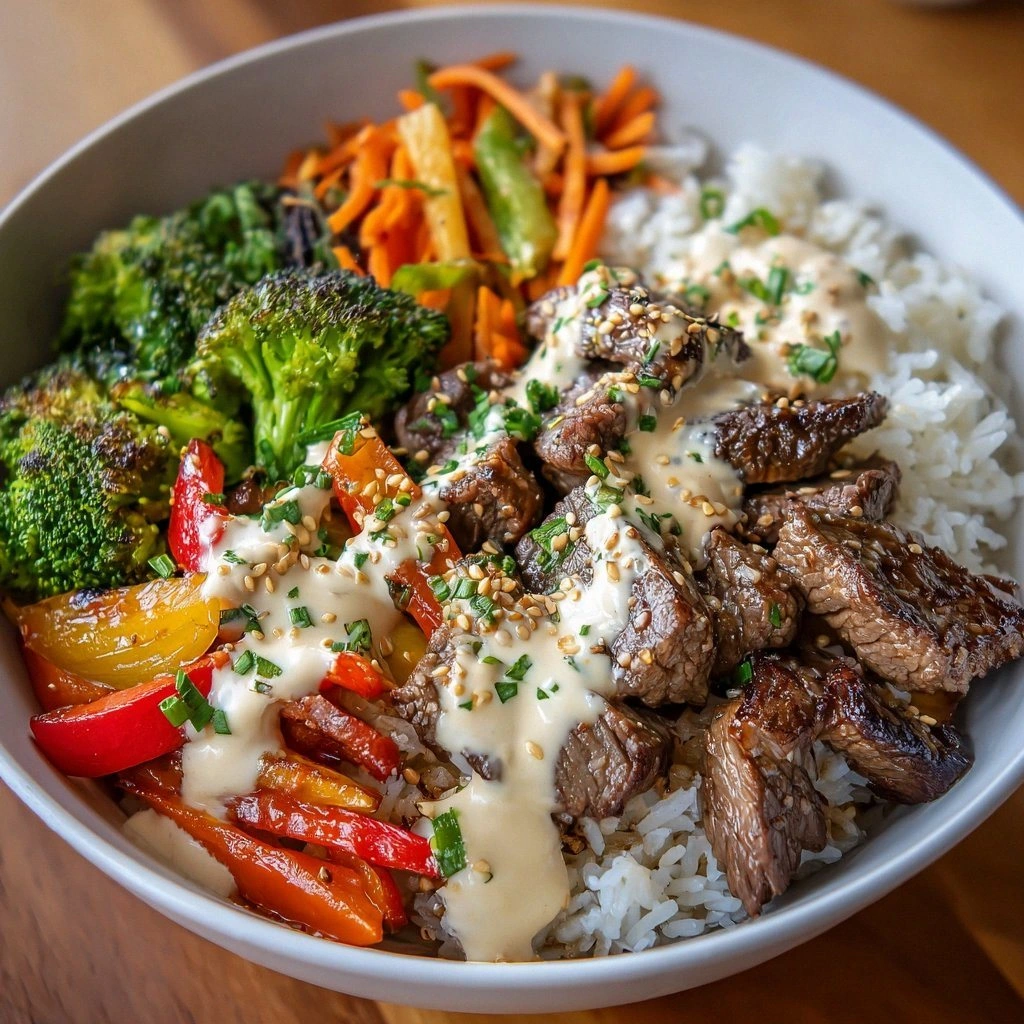
I’m not just talking about another bowl of rice and beef. This version is a masterclass in flavor layering and textural harmony. It’s the kind of dish that turns an ordinary weekday into a culinary celebration. The secret? A creamy sesame drizzle that turns a simple teriyaki glaze into a decadent, restaurant‑grade sauce. The combination of toasted sesame seeds, green onions, and a hint of citrus brightens every bite. I dare you to taste this and not go back for seconds.
So, buckle up. I’ll walk you through every single step, from selecting the perfect cut of meat to that final, glossy finish. By the end, you’ll wonder how you ever made it any other way. And trust me, once you master this, you’ll be the go-to chef for dinner parties, family gatherings, and that one friend who always complains about bland meals. Let’s dive in.
What Makes This Version Stand Out
- Flavor Depth: The dual sauces—sweet teriyaki and rich sesame cream—create a layered taste that’s both comforting and sophisticated. Each bite offers a burst of umami, a hint of sweetness, and a creamy finish that lingers on the palate.
- Texture Contrast: Tender sirloin, crisp broccoli, and silky sauce combine to deliver a sensory rollercoaster. The crunch of the veggies punctuates the melt-in-your-mouth beef, while the sauce adds a luscious coating.
- Visual Appeal: The glossy glaze, bright green onions, and toasted sesame seeds transform a simple bowl into a feast for the eyes. It’s Instagram‑ready and will make your guests ask for the recipe.
- Time Efficiency: From prep to plate, this dish takes under an hour. The quick sauté and simultaneous rice cooking mean you’re not stuck in the kitchen for long.
- Ingredient Flexibility: Swap sirloin for chicken or tofu and the dish remains delicious. The sauce adapts to whatever protein you choose.
- Make‑Ahead Friendly: The sauce can be prepared ahead and reheated without losing its silky texture. Perfect for busy weeknights.
- Kid‑Friendly: The sweet teriyaki and creamy sauce are usually a hit with younger diners, making it a safe bet for family meals.
- Health Conscious: By using low‑sodium soy sauce and a touch of sesame oil, you keep the dish flavorful yet mindful of sodium intake.
Alright, let’s break down exactly what goes into this masterpiece...
Inside the Ingredient List
The Flavor Base
Teriyaki sauce is the star that carries the dish. It’s a sweet, umami-packed glaze that caramelizes beautifully when heated. If you’re watching your sodium, look for a low‑sodium or gluten‑free version—just double the amount to compensate for the reduced salt. Skipping teriyaki means you lose that signature sweet‑salty kick that defines this bowl.
Heavy cream is the unexpected twist that turns a standard teriyaki into a luscious, velvety sauce. The cream’s richness balances the sweetness and adds a silky mouthfeel. If dairy isn’t your thing, coconut milk or a dairy‑free alternative works, though the flavor profile will shift slightly toward a tropical note.
Sesame oil is the fragrant finish that elevates the dish. A tablespoon or less is enough to impart a nutty aroma without overpowering the other flavors. If you can’t find it, a splash of toasted sesame paste will do the trick, but keep the volume small to avoid bitterness.
The Texture Crew
Broccoli florets add a satisfying crunch and a pop of color that makes the bowl feel fresh. If you’re short on time, pre‑cut broccoli or frozen florets will work fine—just make sure to thaw them quickly to preserve that bite.
Julienned carrots bring a subtle sweetness and a vibrant orange hue that balances the green of the broccoli. They’re also packed with beta‑carotene, making this dish a nutrient‑dense option. If you prefer a milder flavor, replace them with snow peas or sliced bell peppers.
Green onions provide a zesty finish and a bright, sharp contrast to the mellow sauce. They’re also an excellent source of vitamins A, C, and K. For a milder taste, swap them for chives or scallions.
The Unexpected Star
Sesame seeds are the final flourish that adds a nutty crunch and a subtle pop of flavor. Toasting them in a dry pan brings out their natural oils and deepens their taste. A sprinkle on top transforms the dish from ordinary to extraordinary.
The Final Flourish
Cooked rice is the foundation that carries the flavors. Whether you choose white, brown, or cauliflower rice, the key is to have it fluffy and ready to absorb the sauce. A little extra water or broth during cooking will help keep the grains tender.
Everything's prepped? Good. Let's get into the real action...
The Method — Step by Step
- Begin by marinating the beef strips in 1 cup of teriyaki sauce for at least 15 minutes. This allows the meat to absorb the sweet‑salty flavor and tenderizes it. The longer you marinate, the more flavorful each bite becomes. If you’re in a rush, a quick 5‑minute soak will still work.
- Heat the skillet and add the marinated beef. Sauté for 3‑4 minutes until the edges start pulling away and the meat is browned. Avoid overcrowding the pan; if necessary, cook in batches to keep the temperature high. The moment the beef releases a sweet aroma, it’s ready.
- Push the beef to one side of the pan and add a drizzle of sesame oil. Toss in the broccoli florets and sliced carrots, stirring constantly for 2 minutes. The veggies should retain a slight crunch—overcooking will make them mushy and lose their bright color.
- Pour in 1/2 cup of heavy cream, letting it swirl into the pan. The cream will thicken the sauce, turning it silky. Stir gently to combine, making sure the sauce coats every piece of meat and vegetable. The sauce should coat the pan like a glossy film.
- Add the remaining 1 cup of teriyaki sauce and 2 tablespoons of soy sauce. Stir to combine and let the mixture simmer for 3 minutes. The sauce should reduce slightly, intensifying the flavor. Taste and adjust seasoning if needed.
- Meanwhile, warm your pre‑cooked rice in a microwave or on the stovetop. A quick stir will help fluff the grains and keep them from clumping. The rice should be hot but not steaming hot to avoid sogginess.
- Plate the rice in a bowl, then top with the beef, vegetables, and sauce. Sprinkle 2 tablespoons of toasted sesame seeds and 1/4 cup of chopped green onions over the top. The final flourish adds a nutty crunch and a bright, fresh finish.
- Serve immediately while the sauce is still glossy and the vegetables are crisp. If you prefer a slightly cooler bowl, let it sit for a minute before eating. The flavors will meld, creating a harmonious, comforting bite.
That’s it— you did it. But hold on, I've got a few more tricks that'll take this to another level...
Insider Tricks for Flawless Results
The Temperature Rule Nobody Follows
Many people cook beef at too low a heat, resulting in a soggy, unevenly browned steak. The trick is to start with a hot pan and keep the temperature high. This ensures a caramelized crust that locks in juices. If you’re using a non‑stick skillet, pre‑heat for a full minute before adding oil.
Why Your Nose Knows Best
Before you even taste the dish, your nose can tell you if something’s off. A slightly burnt scent or a chemical note means the sauce may be overcooked or the oil is too hot. Trust that first whiff— it’s a reliable indicator of quality.
The 5‑Minute Rest That Changes Everything
After cooking, let the beef rest for 5 minutes. This allows the juices to redistribute, ensuring each bite is moist and flavorful. If you cut into it immediately, the juices will spill out, leaving the meat dry.
Balancing Sweet and Salty
Teriyaki sauce can be deceptively sweet. If you find it too sugary, add a splash of rice vinegar or a pinch of salt to balance. I once added a teaspoon of rice vinegar after the sauce reduced, and it gave the dish a bright, refreshing lift.
Keeping the Veggies Crisp
Stir‑fry is a race against time. Add the harder veggies first (broccoli) and finish with the softer (carrots). This method keeps the crunch alive while preventing overcooking.
Reheating Without Losing Creaminess
When reheating leftovers, add a splash of water or broth to the pan. The steam helps the sauce re‑emulsify and stay silky. Gently heat over low to medium, stirring until warmed through.
Creative Twists and Variations
This recipe is a playground. Here are some of my favorite ways to switch things up:
Chicken Teriyaki Bowl
Swap sirloin for diced chicken breast. The chicken absorbs the sauce nicely, and the dish stays leaner. Cook the chicken first, then add the veggies and sauce as described.
Tofu and Veggie Power Bowl
Use firm tofu, pressed and cubed. Pan‑fry until golden before adding the sauce. This vegan version retains the same creamy texture and savory depth.
Cauliflower Rice Base
Replace traditional rice with cauliflower rice for a low‑carb alternative. The cauliflower’s mild flavor pairs well with the sweet‑savory sauce.
Spicy Sesame Kick
Add a tablespoon of sriracha or chili flakes to the sauce. The heat balances the sweetness and adds an exciting dimension.
Asian Noodle Bowl
Swap rice for soba or udon noodles. Toss everything together in the pan for a noodle version that’s just as comforting.
Breakfast Teriyaki Bowl
Top the bowl with a fried or poached egg. The runny yolk adds a luxurious, creamy element that elevates the dish to breakfast status.
Storing and Bringing It Back to Life
Fridge Storage
Store in an airtight container for up to 3 days. Keep the sauce and rice separate until you’re ready to eat to prevent sogginess. Reheat in a skillet over low heat, adding a splash of water if needed.
Freezer Friendly
Freeze the cooked components separately—rice, beef, and sauce. Each can be stored for up to 2 months. Thaw overnight in the fridge before reheating.
Best Reheating Method
Reheat the sauce and beef in a pan over low heat, stirring frequently. Add a teaspoon of water or broth to help the sauce re‑emulsify. Serve over freshly warmed rice or noodles.