I remember the night I tried to impress my roommate with “stuffed meatballs” and ended up with a kitchen that looked like a war zone. The ground beef had turned into a sticky, half‑cooked mess, the mozzarella had melted into a gooey slab, and the marinara had spilled over the pot like a runaway river. I stared at the disaster, then laughed, and thought, “I’m going to rewrite this recipe so it works every single time.” That moment of culinary crisis sparked a mission: to create a stuffed meatball that’s tender, flavorful, and impossible to mess up.
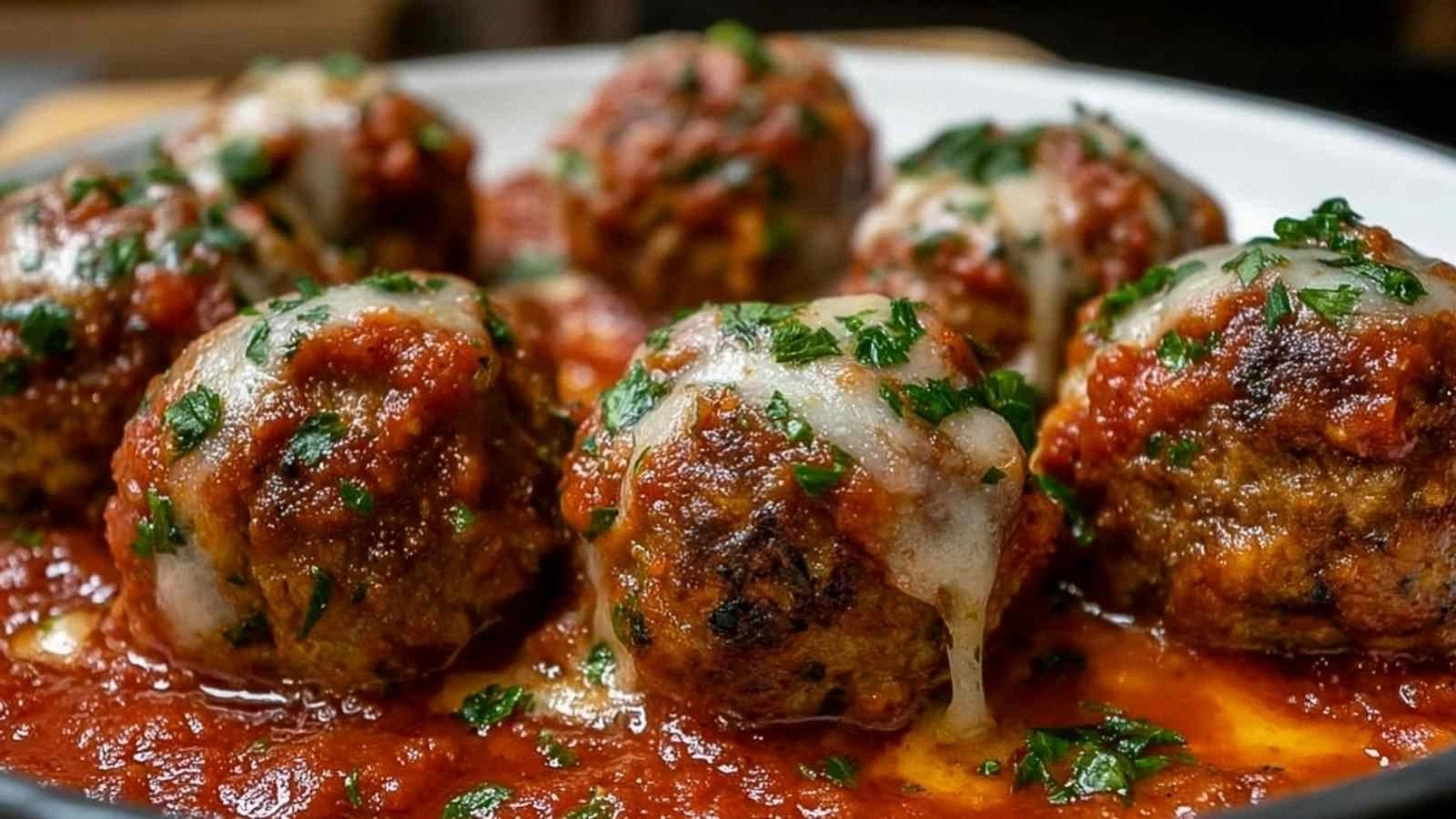
Picture this: the scent of sizzling garlic and onion fills the air, the sound of a pan crackling, and the sight of golden meatballs shimmering with a glossy, tomato‑red sauce. The first bite is a symphony of textures—crisp exterior, juicy interior, and molten mozzarella that stretches like a ribbon of silk. The aroma alone can make a hungry person pause mid‑walk, and the visual appeal will have your guests reaching for seconds before you even serve.
What makes this version stand out is that it eliminates the common pitfalls—dry meat, uneven filling, and over‑cooked mozzarella—while amplifying the flavor profile. By blending beef and pork, adding a splash of milk, and using fresh breadcrumbs, the meatballs stay moist and flavorful. The secret lies in the double‑layered mozzarella: a slice of cheese inside each ball, surrounded by a generous dollop of Parmesan‑garlic mixture that keeps the cheese from leaking out. The result? A bite that’s practically a hug in a bowl.
There’s also a twist you won’t see in most recipes: a thin layer of flour and olive oil that creates a crisp crust, giving the meatballs that coveted golden edge. I dare you to taste this and not go back for seconds. By the end of this guide, you’ll wonder how you ever made stuffed meatballs any other way.
What Makes This Version Stand Out
- Moistness: The blend of beef and pork, combined with milk and breadcrumbs, locks in juices. Skipping the milk turns the meat into a dry, rubbery bite that’s hard to enjoy.
- Cheese Distribution: The mozzarella slice inside each ball ensures that every bite has a molten center, while the Parmesan layer keeps the cheese from escaping. Without the inner slice, the cheese melts into the sauce instead of staying inside.
- Texture: The flour coating creates a crisp crust that cracks like thin ice, giving the meatball an audible crunch before it melts. A plain meatball has no such satisfying snap.
- Flavor Depth: Garlic, onion, parsley, and Italian seasoning work together to produce a sauce that coats the meatballs like velvet. The absence of any of these will leave a flat, one‑dimensional flavor.
- Make‑Ahead Friendly: These meatballs can be assembled and frozen, then baked on the day you serve. The mozzarella stays intact, and the sauce can be added just before baking.
- Crowd‑Pleaser: The gooey center and crispy edges are a guaranteed hit at family dinners or potlucks. Friends rave about the “cheesy explosion” in each bite.
- Balanced Nutrition: With a good mix of protein, fat, and carbs, these meatballs hit the sweet spot for a hearty meal without feeling heavy.
Inside the Ingredient List
The Flavor Base
Ground beef and pork provide a robust foundation that carries the savory notes of garlic, onion, and Italian seasoning. The pork adds fat and moisture, ensuring the meatballs stay juicy. If you omit the pork, you’ll end up with a leaner, drier texture that doesn’t hold the filling as well.
Whole milk is a game‑changer; it softens the meat’s protein structure, making the mixture tender and less likely to crumble. Swapping milk for water reduces flavor and can make the meatballs less cohesive. For a dairy‑free option, use a plant‑based milk but be aware the texture may shift slightly.
The Texture Crew
Fresh breadcrumbs act as the glue that holds the meat, mozzarella, and seasonings together. They absorb moisture without making the mixture mushy. If you don’t have fresh breadcrumbs, use store‑bought ones but consider adding a tablespoon of flour to compensate for moisture absorption.
Eggs bind everything and add richness. Skipping the egg can cause the meatballs to fall apart during cooking. For an eggless version, use a flaxseed or chia “egg” (1 tbsp ground seeds + 3 tbsp water).
The Unexpected Star
Fresh mozzarella is the star that melts into a gooey, oozing center. Its high moisture content means it will liquefy when baked, creating that signature cheese burst. If you use low‑moisture mozzarella, the center will stay firmer and the bite less indulgent.
The Final Flourish
The marinara sauce not only adds flavor but also keeps the meatballs moist during baking. It’s best to use a sauce that’s thick enough to cling to the meat rather than run off. If you prefer a lighter sauce, reduce the amount to half a cup and add extra Parmesan for richness.
The final flour and olive oil coating creates a golden crust that adds crunch and visual appeal. The flour also helps the oil spread evenly, preventing a greasy surface. If you skip this step, the meatballs will be softer and less visually striking.
Everything’s prepped? Good. Let’s get into the real action.
The Method — Step by Step
- In a large mixing bowl, combine the ground beef, ground pork, fresh breadcrumbs, whole milk, egg, grated Parmesan, minced garlic, diced onion, chopped parsley, Italian seasoning, salt, and pepper. Mix until just combined; over‑mixing will tighten the meat and make the balls tough. The mixture should feel moist but not sticky. If it feels dry, add a splash of milk.
- Spoon a small amount of the meat mixture onto a clean surface and flatten it into a disc. Place a slice of mozzarella in the center and fold the meat around it, sealing the edges. Roll the sealed meat into a ball about the size of a golf ball. Repeat until all the mixture is used.
- Set a bowl of flour in one dish, beaten egg in another, and a shallow dish of marinara sauce in a third. Lightly dredge each meatball in flour, tapping off excess, then dip into the beaten egg, and finally coat with a thin layer of sauce. This coating will create a crisp crust when baked.
- Heat the olive oil in a large skillet over medium heat. Once hot, add the meatballs in batches, making sure not to overcrowd the pan. Sear each side for 2–3 minutes until golden brown. The searing step locks in juices and creates the signature crust.
- Transfer the seared meatballs to a baking sheet lined with parchment paper. Pour the remaining marinara sauce over the top, making sure each ball is slightly coated. The sauce should be thick enough to cling to the meatballs, not run off.
- Bake in a preheated oven at 375°F (190°C) for 20–25 minutes, or until the internal temperature reaches 160°F (71°C) and the mozzarella is bubbling. The crust should be golden and slightly crisp. Use a meat thermometer for precision.
- Let the meatballs rest for 5 minutes before serving. Resting allows the juices to redistribute, preventing a dry bite. While resting, the cheese will settle, making for a perfect melt.
- Serve hot, topped with extra marinara and fresh parsley. Pair with a side of spaghetti or a crisp green salad. The combination of textures—crunchy crust, juicy interior, gooey cheese—creates a memorable dining experience.
That’s it—you did it. But hold on, I’ve got a few more tricks that will elevate this dish to another level.
Insider Tricks for Flawless Results
The Temperature Rule Nobody Follows
Baking at exactly 375°F (190°C) is the sweet spot. Too low, and the meatballs will stay raw in the middle; too high, and the crust will burn while the interior remains undercooked. I once baked at 400°F and the mozzarella popped like a popcorn kernel—yikes. Stick to the temperature, and the cheese will melt evenly.
Why Your Nose Knows Best
The aroma of the seared meatballs is your first indicator of doneness. A fragrant, slightly caramelized scent means the crust is forming. If the smell is overwhelmingly raw, give them a few more minutes.
The 5-Minute Rest That Changes Everything
Letting the meatballs rest after baking is essential. The juices redistribute, preventing a dry center. I once served them straight out of the oven and the first bite was a dry, rubbery mess. Resting fixes that instantly.
Use a Meat Thermometer for Precision
Meat thermometers are a game‑changer. They let you check the internal temperature without cutting into the meat, preserving the juicy center. Aim for 160°F (71°C) for safety and flavor.
Add a Splash of Water Before Reheating
If you’re reheating leftovers, add a tablespoon of water to the sauce before warming. This steams the meatballs, restoring moisture and preventing the cheese from drying out.
Creative Twists and Variations
This recipe is a playground. Here are some of my favorite ways to switch things up:
Spicy Sriracha Twist
Add a tablespoon of sriracha to the meat mixture for a fiery kick. The heat pairs wonderfully with the mozzarella, creating a spicy, creamy bite. Great for those who like a little heat.
Herb‑Infused Pesto Base
Replace half the marinara with basil pesto for a green, herbaceous flavor. The pesto adds a fresh, aromatic layer that complements the meat’s richness. Perfect for a springtime dinner.
Cheddar & Jalapeño Combo
Swap mozzarella for sharp cheddar and add diced jalapeños. The cheddar melts into a gooey center, while the jalapeños add bite. This version is a crowd‑pleaser for chili lovers.
Mediterranean Medley
Use sun‑dried tomatoes, olives, and feta in the filling. The salty feta balances the sweetness of the sun‑dried tomatoes, creating a Mediterranean twist. Serve with a side of couscous.
Vegan Version
Replace the meat with a blend of lentils and finely chopped mushrooms. Use a dairy‑free cheese substitute for the mozzarella. The texture is surprisingly similar, and the flavor stays hearty.
Breakfast Bonanza
Add diced ham and a dash of paprika to the mix, then serve with a side of scrambled eggs. The savory meatballs pair nicely with a sunny‑side‑up egg for a protein‑packed breakfast.
Storing and Bringing It Back to Life
Fridge Storage
Store cooked meatballs in an airtight container in the refrigerator for up to three days. Keep them in a shallow layer so they cool evenly. When ready to eat, reheat in a skillet with a splash of marinara until hot.
Freezer Friendly
For longer storage, freeze the meatballs in a single layer on a baking sheet, then transfer to a freezer bag. They stay fresh for up to three months. Thaw overnight in the fridge before reheating.
Best Reheating Method
Reheat in a low‑heat oven at 300°F (150°C) for 15 minutes, then finish with a quick burst of 400°F (200°C) for 5 minutes to restore crispness. Alternatively, use a microwave with a splash of water to keep the cheese from drying out.