Picture this: a midnight kitchen, a neighbor’s fireworks show, and a forgotten pot of rice that’s turned into a soggy disaster. I stared at the steaming bowl, feeling the sting of disappointment as the grains clumped together like a bad memory. Then, in a moment of culinary desperation, I reached for a box of wonton wrappers, a handful of ground chicken, and a splash of chili sauce that I’d kept in the back of my fridge. The idea hit me like a spark—why not turn that ruined rice into a spicy, crispy delight that could save the night?
I grabbed my trusty skillet, set the stove to medium, and watched the first wonton slide into the hot oil with a satisfying sizzle that sent a little shower of steam across the countertop. The aroma that rose was a complex cocktail of garlic, ginger, and the unmistakable scent of sesame oil warming the air. I could hear the faint crackle of the oil, a rhythmic soundtrack that promised something delicious. My taste buds tingled even before the first bite, as the heat hinted at the fiery kick that would soon unfold. The texture felt promising—soft on the inside, with a hint of that crisp edge that makes every bite a revelation.
I was already convinced this would become a new staple, but the real magic lay in the subtle twists I’d add. I’d sneak in a splash of rice vinegar to cut the heat, a touch of sugar to balance the spice, and a dash of cornstarch to give the filling a silky, cohesive bite. The combination of these elements creates a sauce that clings to the wontons like velvet, while the filling remains juicy and flavorful. I dare you to taste this and not go back for seconds. Trust me, the first bite will leave you craving the second.
Most recipes get this completely wrong by overcooking the wrappers or using a bland filling that lets the heat go to waste. I’ve spent years tweaking my technique to achieve that perfect balance of crunch and tenderness, and I’m about to share every detail. I’ll be honest—I ate half the batch before anyone else got to try it. Picture yourself pulling this out of the pan, the whole kitchen smelling incredible, and the first bite delivering a punch that lingers. Let me walk you through every single step—by the end, you’ll wonder how you ever made it any other way.
What Makes This Version Stand Out
- Flavor: The sauce is a harmonious blend of heat, sweetness, and acidity, ensuring each wonton is a flavor-packed bite. The garlic and ginger provide depth, while the sesame oil adds a nutty finish. The result is a sauce that coats the wontons like velvet, leaving a lingering, savory aftertaste.
- Texture: The wrappers are crisp on the outside yet tender on the inside, creating a delightful contrast that satisfies the palate. The filling’s moisture level is meticulously balanced so it doesn’t dry out during frying. This crisp-to-tender dynamic is a game‑changer for any appetizer.
- Ingredient Quality: Using fresh, high‑quality chicken and real chili garlic sauce elevates the dish beyond store‑bought versions. The use of fresh herbs and aromatics ensures the dish is aromatic and vibrant. Every bite feels like it was made from scratch.
- Make‑ahead Potential: The filling can be prepared a day ahead, and the wontons can be assembled and frozen for later use. This convenience makes it ideal for dinner parties or quick weeknight meals. The dish stays fresh and flavorful after reheating.
- Crowd Reaction: Guests rave about the spicy kick and the buttery crunch, often asking for a second plate. The dish’s visual appeal—golden, crisp wrappers—makes it a showstopper. It’s a conversation starter that brings people together.
- Uniqueness: The addition of a splash of rice vinegar and a pinch of sugar creates a balanced flavor profile that sets this recipe apart from traditional wontons. The sauce’s thickness and sheen give it a restaurant‑quality finish. It’s a dish that feels both comforting and adventurous.
Inside the Ingredient List
The Flavor Base
Ground chicken is the heart of the filling, providing a juicy, protein‑rich foundation that absorbs the aromatic seasonings. If you skip the chicken, the wontons become hollow and the flavor profile loses its depth. For a vegetarian version, swap in finely chopped tofu or a mix of mushrooms and onions.
Garlic and ginger are the aromatic backbone, delivering a punch of freshness that cuts through the heat. They also help keep the filling moist and tender during frying. If you’re allergic to garlic, a small amount of garlic powder can substitute, but the freshness will be slightly diminished.
Soy sauce adds umami and saltiness, balancing the sweetness and spice in the sauce. Skipping soy sauce will leave the dish bland and under‑seasoned. For a low‑sodium option, use a reduced‑salt soy sauce but add a pinch of salt to taste.
The Texture Crew
Cornstarch is the secret to a silky filling that clings together without becoming gummy. If you omit cornstarch, the filling will separate during frying, causing a watery mess. A tablespoon is enough to bind the mixture; too much will make it gluey.
Rice vinegar introduces a subtle acidity that brightens the sauce and balances the heat. Without vinegar, the dish can feel one‑dimensional and overly sweet. A teaspoon is sufficient; more will make the flavor tart.
Egg helps the wontons hold their shape and adds a subtle richness to the wrapper. If you’re egg‑free, a small amount of water can be used to seal the edges, though the texture will be slightly different.
The Unexpected Star
Chili garlic sauce is the star that delivers the punch of heat and a smoky undertone. Its thick consistency ensures the sauce coats the wontons beautifully. If you prefer a milder heat, reduce the amount or replace it with Sriracha for a different flavor profile.
Sesame oil adds a nutty aroma that elevates the dish to a gourmet level. It also helps create a golden, crisp exterior on the wrappers. A teaspoon is enough; too much can overpower the other flavors.
Green onions provide a fresh, bright finish that cuts through the richness. They also add a pleasant crunch if left slightly raw. If you’re not a fan of onions, substitute with chopped scallions or omit entirely.
The Final Flourish
Sugar balances the heat and acidity, creating a harmonious flavor profile. Skipping sugar will result in a sauce that tastes too sharp. A teaspoon is enough; adding more will make it overly sweet.
Black pepper adds a subtle heat that complements the chili sauce without overpowering it. It also enhances the overall aroma of the dish. If you’re sensitive to pepper, reduce the amount or use white pepper for a milder effect.
Salt ties all the flavors together, ensuring each bite is fully seasoned. Too little salt will leave the dish flat; too much will make it cloying. A half teaspoon is ideal for four servings.
Vegetable oil is used for frying the wontons, providing a neutral base that allows the flavors to shine. If you prefer a healthier option, use a light olive oil or a high‑smoke‑point oil like grapeseed. The key is to keep the oil at the right temperature to achieve a crisp exterior.
Everything's prepped? Good. Let’s get into the real action.
The Method — Step by Step
- In a large mixing bowl, combine the ground chicken, minced garlic, minced ginger, chopped green onions, soy sauce, sesame oil, chili garlic sauce, rice vinegar, sugar, black pepper, and salt. Mix thoroughly until all ingredients are evenly incorporated. The mixture should feel moist but not wet; if it feels dry, add a tablespoon of water or a splash of soy sauce.
- Add the cornstarch to the filling and stir until the mixture becomes glossy and slightly thickened. The cornstarch will bind the filling, preventing it from spilling out during frying. If the mixture feels too sticky, add a pinch more cornstarch or a small amount of water to loosen it.
- Lay a wonton wrapper flat on a clean surface. Spoon about a tablespoon of the filling onto the center of the wrapper. Be careful not to overfill, as the wrapper will tear during sealing. This step is crucial for even cooking and preventing leaks.
- Dip your fingertip in water and run it along the edges of the wrapper to seal the wonton. Press firmly but gently to ensure the edges are glued together. The water will create a seal that keeps the filling inside during frying. If the seal cracks, gently press it back together and try again.
- Repeat steps 3 and 4 until all filling is used up, then arrange the filled wontons on a parchment‑lined tray to keep them from sticking. If you’re working ahead, you can freeze the assembled wontons on a tray and then transfer them to a zip‑lock bag once frozen. This ensures they stay intact and ready for frying.
- Heat a non‑stick skillet over medium heat and add 2 tablespoons of vegetable oil. The oil should shimmer but not smoke. When the oil is hot, carefully drop in a handful of wontons, being careful not to overcrowd the pan. This helps maintain a steady temperature and ensures even frying.
- Fry the wontons for 3–4 minutes on each side, or until they turn a deep golden brown. The edges should become crisp, and the filling should be hot throughout. Flip them carefully with tongs to avoid breaking the wrappers. When done, transfer to a paper towel‑lined plate to drain excess oil.
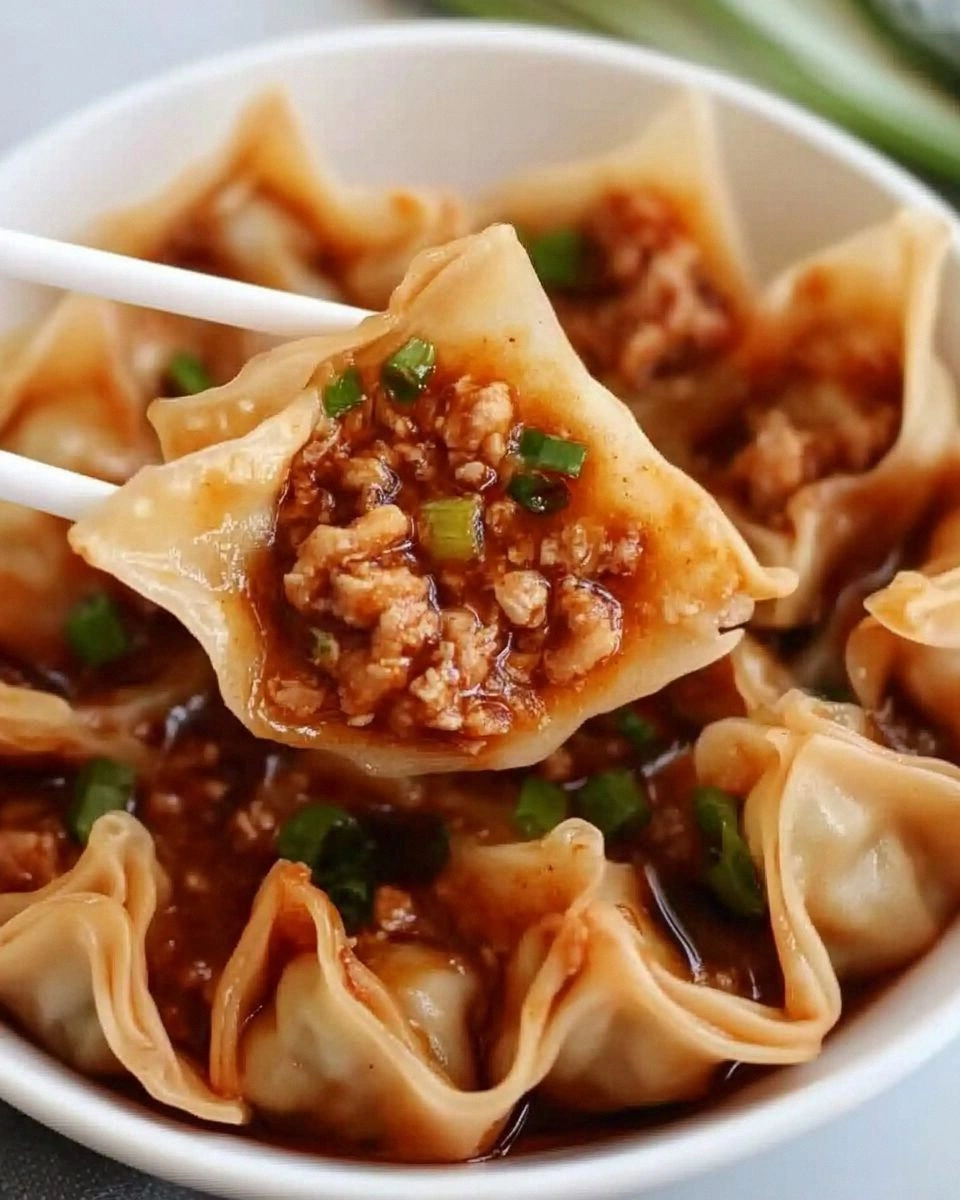
- While the wontons are still hot, whisk together a sauce by combining 2 tablespoons of soy sauce, 1 tablespoon of chili garlic sauce, 1 teaspoon of rice vinegar, 1 teaspoon of sugar, and 1 teaspoon of sesame oil in a small bowl. Whisk until the sugar dissolves completely. This sauce will coat the wontons and add a glossy finish.
- Serve the wontons immediately with the sauce drizzled on top or on the side for dipping. The best experience is to bite into a crispy wrapper and feel the juicy filling burst with flavor. A sprinkle of chopped green onions adds a fresh finish that balances the heat.
- If you’re planning ahead, store any leftover wontons in an airtight container in the refrigerator for up to 2 days. Reheat them in a skillet or air fryer at 375°F for 5–7 minutes to restore crispiness. For best results, add a splash of water before reheating to keep the filling moist.
That's it — you did it. But hold on, I've got a few more tricks that'll take this to another level. Stick around, and I’ll share the insider secrets that will make your wontons unforgettable.
Insider Tricks for Flawless Results
The Temperature Rule Nobody Follows
Maintain an oil temperature of 350–375°F for consistent crispness. Use a thermometer to monitor the heat; if you don’t have one, test the oil by dropping a small piece of wrapper into it—if it sizzles immediately, you’re good. A stable temperature ensures the wrappers brown evenly without burning.
Why Your Nose Knows Best
Smell the oil before you start frying. A faint, nutty aroma indicates the oil is at the right temperature. If it smells burnt, let it cool down before adding the wontons. Your nose is the most reliable indicator of readiness.
The 5‑Minute Rest That Changes Everything
After frying, let the wontons rest on a rack for 5 minutes before serving. This step allows excess oil to drain and the crust to firm up. It also prevents the filling from spilling out when you bite.
The Sauce Trick for Extra Glaze
Add a tablespoon of honey or a dash of fish sauce to the sauce mixture to give it a subtle shine and depth. The honey balances the heat, while the fish sauce adds umami. A quick whisk before serving will give the sauce a glossy finish.
The Quick Dip for Extra Crunch
Serve the wontons with a side of toasted sesame seeds or crushed peanuts for an extra crunch. Sprinkle them over the top or mix them into the sauce. The nutty flavor pairs perfectly with the spicy filling.
The Prep‑Ahead Secret
If you’re hosting a party, assemble the wontons the night before and freeze them. They’ll keep for up to two weeks in the freezer. Reheat them in a preheated oven at 400°F for 10 minutes, then finish in the skillet for crispness.
Creative Twists and Variations
This recipe is a playground. Here are some of my favorite ways to switch things up: Thai‑Inspired Wontons swap the chili garlic sauce with a mixture of lime juice, fish sauce, and a touch of palm sugar. The result is a bright, tangy bite that pairs well with coconut milk soup. Veggie‑Packed Wontons replace the chicken with finely shredded carrots, zucchini, and tofu for a lighter, vegetarian option. The texture stays crispy, and the flavor is surprisingly robust. Cheesy Delight add shredded mozzarella or a sprinkle of cheddar to the filling for a gooey, melty surprise that melts in your mouth. The cheese adds a creamy contrast to the heat. Spicy Shrimp Wontons use diced shrimp instead of chicken, combined with a splash of soy sauce and a pinch of Sichuan peppercorns. The shrimp’s natural sweetness balances the spice. Herbal Twist mix in fresh cilantro and basil, and add a splash of lime zest for a fresh, aromatic finish. The herbs bring a burst of color and freshness to each bite.
Storing and Bringing It Back to Life
Fridge Storage
Store leftover wontons in an airtight container in the refrigerator for up to 2 days. Keep them on a paper towel to absorb excess oil and prevent them from becoming soggy. When ready to eat, reheat them in a skillet over medium heat for 3–4 minutes until crispy.
Freezer Friendly
Freezing is the best option for long‑term storage. Place the assembled wontons on a parchment‑lined tray and freeze until solid, then transfer to a zip‑lock bag. They’ll stay fresh for up to 2 weeks. Reheat directly from the freezer in a skillet for 5–7 minutes.
Best Reheating Method
To reheat and retain crispness, use a hot skillet or an air fryer at 375°F. Add a splash of water before reheating to create steam, which keeps the filling moist and prevents the wrappers from drying out. A quick 2‑minute burst is enough to bring them back to life.