Picture this: I’m in the middle of a midnight craving for Korean barbecue, the kitchen lights flicker, and the fridge is a barren wasteland. I’ve tried the classic bulgogi with beef, but the heaviness always feels like a weight on my plate. Then I stumbled upon a recipe that swapped the meat for tofu, and the moment I tasted the first bite, the entire culinary universe shifted. That instant? A revelation that tofu can be the star of a savory, umami-packed dish that’s as quick as it is unforgettable.
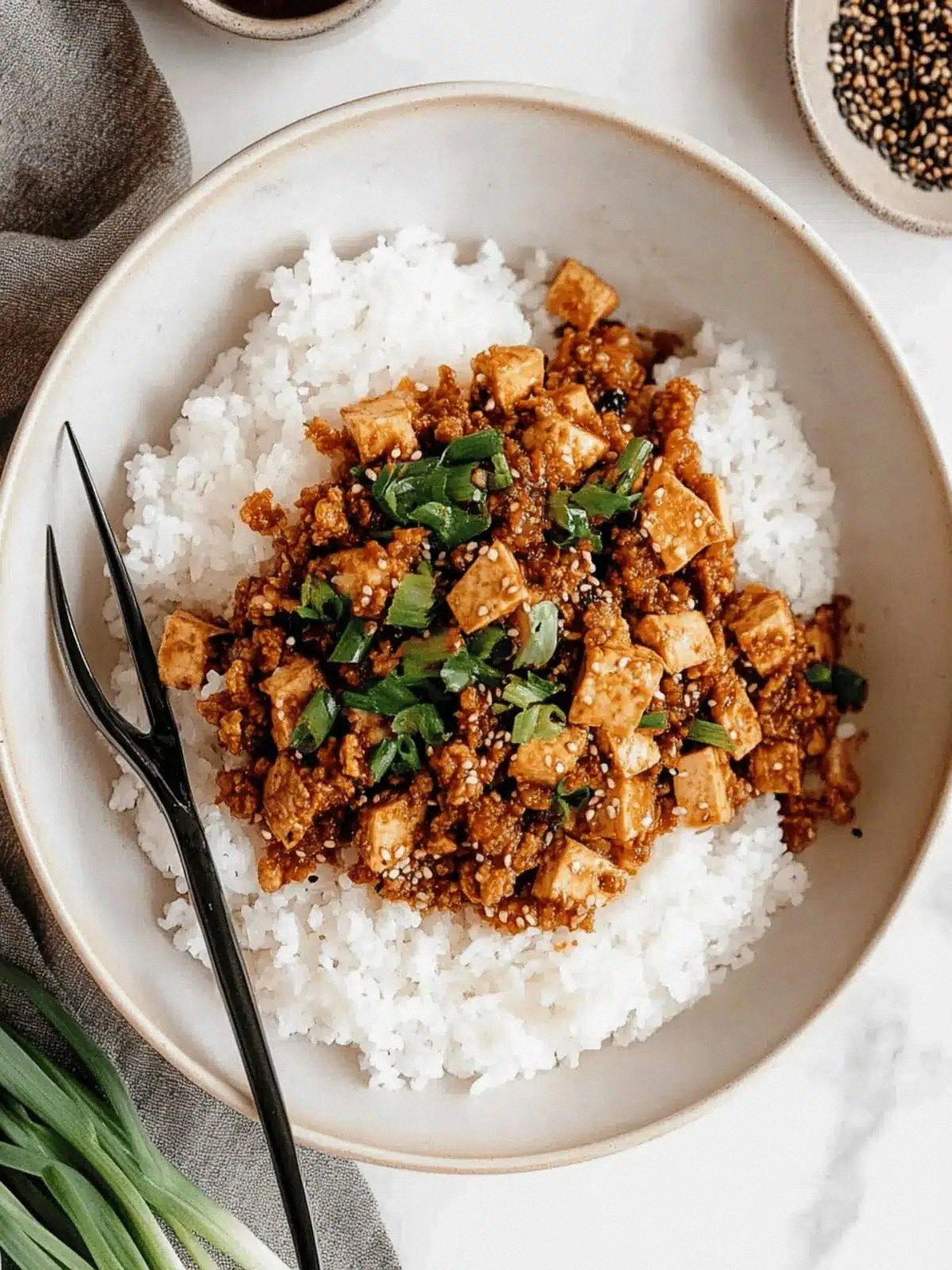
The first thing that hits you is the aroma. The soy sauce and mirin mingle with the sharp scent of garlic, creating a bouquet that feels like a midnight street market in Seoul. The sound of tofu sizzling in the pan is a satisfying crackle, almost like a drumbeat of anticipation. As you taste, the tofu absorbs the sauce like a sponge, each bite bursting with sweet, salty, and slightly tangy layers that dance on your tongue. The texture—crispy edges that shatter like thin ice and a tender core that melts—makes you question how tofu can feel so indulgent.
What sets this version apart is the balance of flavors and the meticulous attention to detail. The low sodium soy sauce keeps the dish from becoming overpoweringly salty, while the dark soy sauce adds depth and a hint of bittersweet richness. Brown sugar and mirin sweeten the sauce without turning it into a syrup. The grated onion and minced garlic infuse the tofu with a bright, aromatic punch that lifts every bite. The sesame oil adds a nutty finish that ties all the elements together, making each mouthful a complex, satisfying experience.
And here’s the kicker: the technique. I’ll show you how to press the tofu just enough to remove excess moisture, how to coat it in a dry seasoning that crisps beautifully, and how to finish it with a quick sear that locks in all the flavors. This is hands down the best version of tofu bulgogi you’ll ever make at home. I dare you to taste this and not go back for seconds. Let me walk you through every single step — by the end, you’ll wonder how you ever made it any other way.
What Makes This Version Stand Out
- Flavor Depth: The blend of low sodium and dark soy sauces creates a layered umami profile that rivals any meat-based bulgogi. The addition of brown sugar and mirin adds a subtle sweetness that balances the saltiness.
- Texture Contrast: Pressing the tofu removes excess water, allowing it to develop a crispy exterior while remaining tender inside. This duality mimics the chewiness of grilled meat.
- Time Efficiency: The entire process takes under an hour, making it ideal for weekday dinners or last-minute gatherings.
- Ingredient Quality: Using extra firm tofu ensures structural integrity, while sesame oil brings a nutty finish that elevates the dish.
- Versatility: The sauce can be adapted for other proteins or vegetables, turning this into a pantry staple.
- Make‑Ahead Friendly: The tofu can be marinated a day ahead, allowing flavors to deepen without compromising texture.
- Low Sodium Option: By using low sodium soy sauce, you can still enjoy a flavorful dish without the high sodium content.
- Crowd‑Pleaser: Even non‑vegetarians will be amazed by the richness and depth of this plant‑based version.
Alright, let’s break down exactly what goes into this masterpiece. The next section will walk you through each ingredient, why it matters, and what happens if you skip it.
Inside the Ingredient List
The Flavor Base
Low sodium soy sauce is the backbone of the sauce, providing a clean, savory note without overwhelming the other flavors. Dark soy sauce adds depth and a hint of bittersweetness that mimics the caramelization you’d get from grilled meat. Brown sugar introduces a subtle caramel flavor, balancing the saltiness and giving the sauce a glossy sheen. Mirin, a sweet rice wine, adds a delicate sweetness and a touch of acidity that brightens the dish.
The Texture Crew
Extra firm tofu is the star of the show. It holds its shape during cooking and absorbs the sauce beautifully. Grated onion and minced garlic bring a fresh, aromatic punch that lifts the dish. Sesame oil, a small amount, adds a nutty finish that ties all the elements together and gives the tofu a glossy, mouth‑watering coat.
The Unexpected Star
Tofu, often dismissed as bland, is transformed here by the sauce’s depth and the cooking technique. When pressed and pan‑seared, it develops a crisp exterior that crackles like a well‑done sear on a steak, while the interior remains silky. The contrast is a game‑changer, turning a simple protein into a star attraction.
Everything’s prepped? Good. Let’s get into the real action.
The Method — Step by Step
- Begin by pressing the tofu. Place the block between two clean kitchen towels and set a heavy skillet or plate on top. Let it sit for at least 30 minutes, or longer if time allows. This step removes excess moisture, ensuring the tofu crisps up beautifully.
- While the tofu rests, combine the low sodium soy sauce, dark soy sauce, brown sugar, and mirin in a bowl. Whisk until the sugar dissolves completely. The resulting sauce should have a glossy, slightly thick consistency that will cling to the tofu.
- Cut the pressed tofu into 1-inch cubes or strips, depending on your preference. The smaller the pieces, the faster they’ll cook and the more surface area they’ll have to absorb the sauce.
- Heat a large non‑stick skillet over medium‑high heat. Add the sesame oil and swirl to coat the pan. Once the oil shimmers, drop the tofu pieces in, making sure not to overcrowd the pan. This step is critical; overcrowding will steam the tofu instead of searing it.
- Sear the tofu for 3–4 minutes on each side, or until golden brown and slightly caramelized. The edges should pull away from the pan, indicating a perfect sear. Don’t rush this step; the flavor develops during the searing process.
- Add the grated onion and minced garlic to the pan. Sauté for 1–2 minutes until the onion softens and the garlic becomes fragrant. The aromatics will infuse the tofu with a bright, savory base.
- Pour the sauce over the tofu, stirring to coat each piece evenly. Reduce the heat to medium, then let the tofu simmer for 5 minutes, allowing the sauce to thicken and the tofu to absorb the flavors. The sauce should coat the tofu like velvet.
- Taste the sauce. If it’s too salty, add a splash of water or a touch of sugar. If it’s too sweet, a squeeze of lime or a pinch of pepper can balance it out. Season to your preference.
- Finish with a drizzle of sesame oil and a sprinkle of toasted sesame seeds for an extra layer of aroma and crunch. Serve immediately over steamed rice, lettuce wraps, or your favorite noodles.
- Enjoy the moment of truth: the first bite should be a symphony of savory, sweet, and umami flavors, with a satisfying crunch that echoes the original bulgogi experience.
That’s it — you did it. But hold on, I’ve got a few more tricks that will take this to another level.
Insider Tricks for Flawless Results
The Temperature Rule Nobody Follows
Many cooks underestimate the importance of pan temperature. The tofu must be seared at high heat to lock in moisture and develop a caramelized crust. If the pan is too cool, the tofu will steam and never achieve that coveted crunch.
Why Your Nose Knows Best
Smell the sauce as it simmers. When it starts to thicken and you hear a gentle hiss, that’s your cue to add the tofu. Your nose is a better judge of doneness than a stopwatch.
The 5‑Minute Rest That Changes Everything
After you remove the tofu from the pan, let it rest on a paper towel for 2 minutes. This step allows the surface moisture to evaporate, preserving the crispness of the exterior.
The Perfect Sauce Ratio
If you prefer a sweeter sauce, double the brown sugar but reduce the mirin accordingly. A higher sugar content can caramelize more quickly, creating a glossy finish.
The Quick‑Fix for Sticky Sauce
If the sauce sticks to the pan, add a splash of water and stir vigorously. This will loosen the sauce and prevent burning.
The One‑Minute Garnish
Right before serving, sprinkle chopped green onions or fresh cilantro. The bright green contrast adds freshness and a burst of color to your dish.
Creative Twists and Variations
This recipe is a playground. Here are some of my favorite ways to switch things up:
Spicy Gochujang Glaze
Add a tablespoon of gochujang to the sauce for a fiery kick. The fermented chili paste brings depth and a smoky heat that pairs beautifully with tofu.
Citrus Brightness
Replace half of the mirin with fresh lemon or lime juice. The citrus adds a zesty lift, cutting through the richness and making the dish feel lighter.
Mushroom Umami Boost
Sauté sliced shiitake or button mushrooms with the tofu. The earthy flavor complements the soy sauce and creates a more complex profile.
Korean Kimchi Twist
Stir in a handful of chopped kimchi during the final simmer. The fermented crunch adds texture and a tangy bite that enhances the savory base.
Garlic‑Infused Sesame Oil
Heat the sesame oil with a few garlic cloves before adding it to the pan. The oil will carry a subtle garlic aroma, enriching each bite.
Vegetarian Bibimbap Style
Serve the tofu over a bed of mixed greens, topped with a fried egg, and drizzle with the sauce. This transforms the dish into a complete, satisfying meal.
Storing and Bringing It Back to Life
Fridge Storage
Store leftover tofu bulgogi in an airtight container in the refrigerator for up to 3 days. The flavors will deepen, but be sure to keep the tofu chilled to prevent any bacterial growth.
Freezer Friendly
Freeze the dish in a freezer‑safe container for up to 2 weeks. Reheat in a skillet or microwave, adding a splash of water to keep it from drying out.
Best Reheating Method
To reheat, use a non‑stick skillet over medium heat. Add a teaspoon of water or broth to create steam, then cover briefly. This method preserves the tofu’s tenderness and the sauce’s glossy texture.
Add a tiny splash of water before reheating — it steams back to perfection, giving you the same mouth‑watering experience as when it was first cooked.