Introduction
Picture this: a Sunday afternoon, the kitchen smells of caramelized sugar, and you’re scrambling to salvage a dinner that was supposed to be elegant but ended up a mess of burnt edges and over‑seasoned soup. I was halfway through roasting a handful of beets when the timer dinged and I realized the skins were still on—my disaster had turned into a golden opportunity. That night I decided to turn the ruined beets into a salad, tossed them with a grapefruit, a handful of arugula, and a generous crumble of blue cheese, and the result was a dish that tasted like a bright, tangy sunrise on a plate. I dare you to taste this and not go back for seconds; the burst of citrus will have you reaching for more.
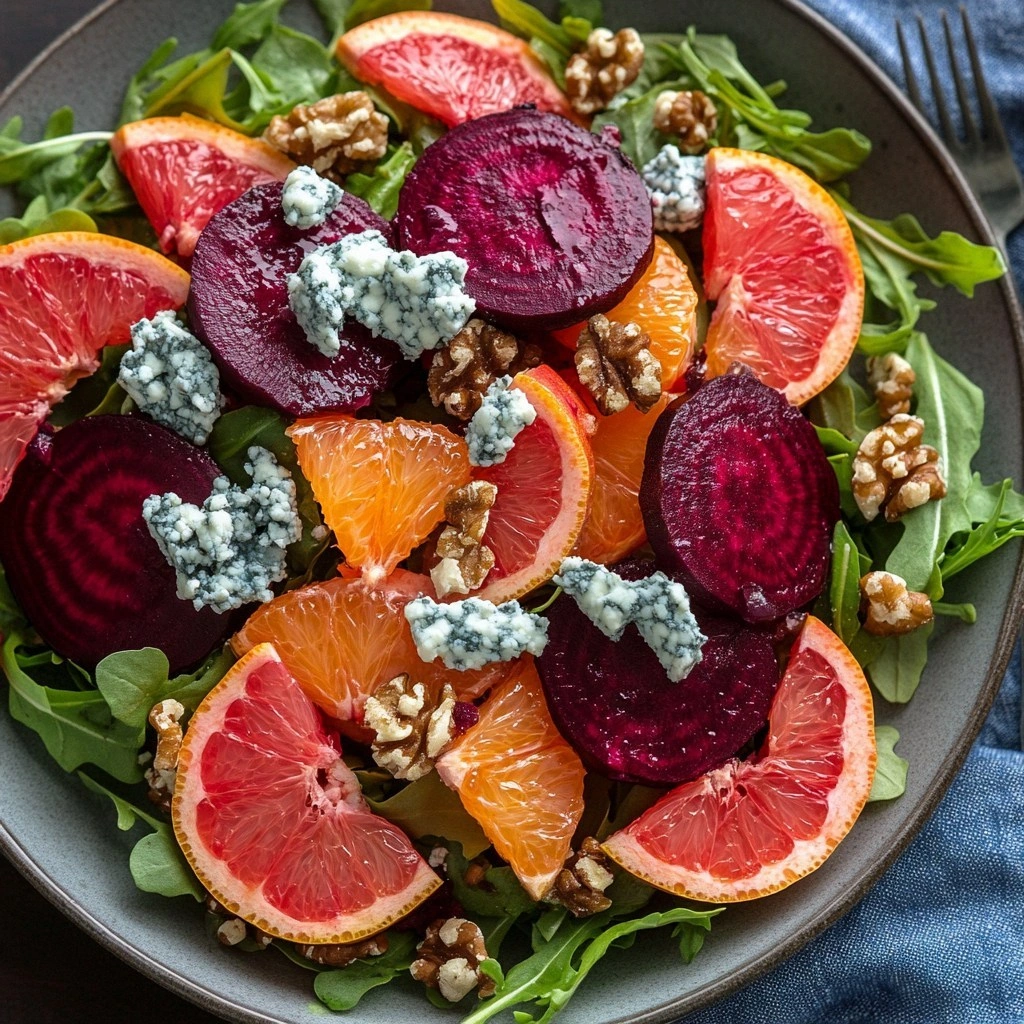
From the first moment the beets hit the oven, the kitchen was filled with a warm, earthy aroma that mingled with the sharp, sweet scent of grapefruit segments. The sound of the beets popping in the oven was a satisfying crackle, like a tiny drumbeat of flavor. When I lifted them, the skin peeled away in a cloud of reddish‑purple steam, revealing tender flesh that glowed like a ruby. The arugula, with its peppery bite, added a crispness that contrasted beautifully with the soft, almost velvety beet. The blue cheese, sharp and creamy, melted into the gaps between the greens, creating pockets of umami that licked the tongue. Every bite was a layered experience: sweet, tart, bitter, and savory all at once.
What sets this version apart is not just the combination of flavors but the method that unlocks the beet’s natural sweetness while preserving the grapefruit’s bright acidity. I’ve spent months experimenting with roasting times, seasoning blends, and plating techniques to arrive at a balance that feels both fresh and indulgent. This is hands down the best version you’ll ever make at home because it takes a humble root vegetable and transforms it into a showstopper that can be served as an appetizer or a light dinner. It’s the kind of dish that turns a simple lunch into a conversation starter and leaves everyone asking for the recipe.
Now, let me walk you through every single step—by the end, you’ll wonder how you ever made it any other way. I’ll share the exact temperatures, the little hacks that save time, and the secret ingredient that elevates the salad from good to unforgettable. Get ready to feel the sizzle, hear the crunch, and taste the explosion of flavors that will make your taste buds sing.
What Makes This Version Stand Out
- Roasted Sweetness: The beets are roasted to caramelized perfection, bringing out a deep, natural sweetness that balances the grapefruit’s sharpness. This technique turns a simple root into a star ingredient.
- Citrus Contrast: Fresh grapefruit segments add a bright, tangy punch that cuts through the earthiness of the beet, creating a harmonious flavor profile that feels both light and indulgent.
- Texture Layers: The combination of tender roasted beet, crisp arugula, creamy blue cheese, and crunchy candied walnuts creates a multi‑sensory experience that keeps each bite interesting.
- Color Explosion: The vibrant purple of the beet, the ruby red of the grapefruit, the green of the arugula, and the golden crunch of the walnuts make the dish visually stunning.
- Simple Yet Sophisticated: Despite its striking presentation, the recipe requires minimal ingredients and basic kitchen tools, making it accessible for any cook.
- Make‑Ahead Friendly: The salad can be prepared up to 24 hours in advance, allowing the flavors to meld while you focus on other dishes.
- Dietary Flexibility: Swap blue cheese for goat cheese or feta to adjust the flavor profile, and use baby kale instead of arugula for a milder bite.
Alright, let's break down exactly what goes into this masterpiece…
Inside the Ingredient List
The Sweet Root
Beets are the foundation of this salad. Their deep, earthy flavor becomes a caramelized note when roasted, and the natural sugars intensify with heat. If you skip the beets, you lose the hearty backbone that balances the bright grapefruit. When selecting beets, look for firm, unblemished skins; a slight bruise can turn into a bitter spot during roasting. For a budget alternative, jarred beets work fine—just drain and pat dry before roasting.
The Citrus Punch
A large grapefruit brings a refreshing burst of tartness that cuts through the sweetness of the beet. The ruby or pink flesh offers a delicate sweetness that pairs beautifully with the sharpness of blue cheese. If you can’t find grapefruit, blood oranges provide a deeper, sweeter flavor profile that still works wonderfully. When segmenting the fruit, be sure to remove all pith and membranes to avoid bitterness.
The Green Base
Arugula is peppery, vibrant, and adds a peppery bite that elevates the dish. Its quick wilt makes it ideal for salads that are served immediately after assembly. If you’re feeling adventurous, swap arugula for baby kale or spinach to change the flavor profile and texture. Fresh greens are essential—stale greens will dilute the dish’s brightness.
The Creamy Finale
Blue cheese provides a tangy, salty contrast that melts into the gaps between the beet and greens. It adds a creamy texture and a depth of flavor that cannot be replicated by other cheeses. If blue cheese is too bold for your palate, goat cheese or feta are excellent substitutes that maintain the creamy element while softening the sharpness. The crumble is key—ensure the cheese is broken into small pieces to distribute evenly.
Everything's prepped? Good. Let's get into the real action…
The Method — Step by Step
- Preheat the oven to 400°F (200°C). Place the beets on a sheet of parchment paper, drizzle with 1 tablespoon of olive oil, and season lightly with salt and pepper. Roast for 45 minutes, turning once, until the edges are crisp and the flesh is tender. The scent of caramelizing beet will fill the kitchen like a promise of flavor.
- While the beets are roasting, segment the grapefruit. Use a sharp knife to cut off the top and bottom, then slice the fruit into thin, even wedges, removing all membranes. Set aside in a bowl to keep the juices from spilling on the counter.
- Remove the beets from the oven and let them cool for 10 minutes. Once cool enough to handle, peel the skins off with a paper towel; they should slide off effortlessly. Slice the beet into bite‑size cubes, about 1/2 inch thick. This size ensures each bite delivers a burst of flavor without being overwhelming.
- In a large bowl, combine the roasted beet cubes, grapefruit wedges, and arugula. Toss gently to distribute the greens evenly. The arugula should be fresh and crisp, not wilted, so add it just before serving to preserve its peppery bite.
- Crumble the blue cheese over the salad, then sprinkle the candied walnuts on top. The walnuts add a sweet, caramelized crunch that contrasts with the creamy cheese and tender beet. If you don’t have candied walnuts, you can quickly make them by sautéing walnuts in a dry skillet until golden, then tossing with a pinch of sugar and a splash of water.
- For the finishing touch, drizzle a simple vinaigrette over the salad. Combine 2 tablespoons of extra‑virgin olive oil, 1 tablespoon of balsamic vinegar, a splash of honey, and a pinch of salt. Whisk until emulsified and pour over the salad just before serving. The vinaigrette should coat the greens like a fine mist.
- Give the salad a final gentle toss, then plate on a chilled dish. The contrast of colors will make it look as good as it tastes. Serve immediately to enjoy the fresh crunch of the arugula and the warmth of the roasted beet.
- If you prefer a lighter version, add a splash of lemon juice to the vinaigrette for extra brightness. Alternatively, sprinkle a handful of toasted pumpkin seeds for a nutty crunch. Remember, the key is balance—too much acidity will overpower the beet, too much sweetness will drown the cheese.
That's it — you did it. But hold on, I've got a few more tricks that'll take this to another level…
Insider Tricks for Flawless Results
The Temperature Rule Nobody Follows
Many cooks roast at 350°F, but 400°F is the sweet spot for caramelizing beet sugars without drying them out. Keep the oven rack in the middle so the heat circulates evenly. If you notice the edges browning too quickly, slide the sheet to a lower rack for the last 10 minutes.
Why Your Nose Knows Best
Smell the beets as they roast; a faint, sweet aroma indicates the sugars are caramelizing. If the smell is more of a raw vegetable, give them a few more minutes. Trust your nose, it’s the most reliable guide for perfect roasting.
The 5-Minute Rest That Changes Everything
Let the roasted beet rest for 5 minutes after removing them from the oven. This brief pause allows the sugars to set, giving the beet a glossy finish and preventing steam from softening the texture.
Balancing the Blue Cheese
Blue cheese can be overpowering if used in large amounts. Crumble it finely so the flavor is distributed evenly. If you’re sensitive to strong cheeses, use only half the recommended amount and add a splash of Greek yogurt to mellow the sharpness.
Perfecting the Vinaigrette
Whisk the vinaigrette in a small bowl before adding it to the salad. This ensures the oil emulsifies with the vinegar, creating a smooth coating that clings to each leaf and beet cube. A quick shake in a jar works just as well.
Storing the Candied Walnuts
Store candied walnuts in an airtight container at room temperature. They stay crisp for up to two weeks. If they soften, re‑toast them in a dry skillet for a few minutes to restore crunch.
Creative Twists and Variations
This recipe is a playground. Here are some of my favorite ways to switch things up:
Harvest Bowl
Swap arugula for baby spinach and add diced avocado for creaminess. Drizzle with a lime vinaigrette instead of balsamic. This version is perfect for a light lunch or a fresh side.
Winter Warmth
Replace grapefruit with roasted butternut squash cubes for a sweeter, earthy flavor. Add a handful of dried cranberries for tartness and a sprinkle of chopped pecans for crunch. This version feels like a comforting winter dish.
Mediterranean Flair
Use feta instead of blue cheese and add kalamata olives for brininess. Toss with a lemon‑olive oil dressing and sprinkle fresh oregano on top. The result is a bright, herbaceous salad that transports you to the Mediterranean coast.
Protein Boost
Top the salad with grilled chicken or chickpeas for a heartier meal. Season the protein with smoked paprika and lemon zest to tie it into the existing flavor profile. This variation makes the dish a satisfying main course.
Vegan Version
Omit the blue cheese and substitute with crumbled tofu marinated in miso and sesame oil. Keep the candied walnuts but replace them with toasted pumpkin seeds. The dish remains vibrant and full of texture.
Storing and Bringing It Back to Life
Fridge Storage
Store the salad in an airtight container for up to 2 days. Keep the dressing separate until ready to serve to prevent the greens from wilting. When you’re ready to eat, pour the dressing over the salad and toss gently.
Freezer Friendly
Roasted beet cubes and candied walnuts can be frozen separately in freezer bags. When you’re ready to serve, thaw the beets in the refrigerator overnight and re‑warm them in a skillet for a minute before adding to the salad.
Best Reheating Method
To reheat the salad without drying it out, add a splash of water or broth to the pan and cover with a lid. This steams the beets back to a tender, juicy state while keeping the greens crisp.