Picture this: it’s a rainy Saturday, the kitchen lights flicker, and you’re scrolling through Pinterest, hunting for the perfect appetizer to wow your friends. You stumble on a recipe that promises “Prosecco Grapes” and instantly feel a spark of curiosity. That moment was the spark that turned a culinary experiment into a kitchen obsession. I was craving something light yet indulgent, and the idea of sweet grapes kissed by sparkling prosecco felt like a secret romance waiting to happen.
I remember the first bite like a memory etched in my palate. The grapes burst with a juicy, almost buttery sweetness, and the prosecco’s effervescence lifted the flavors into a celebratory dance. The olive oil coated each grape, giving a silky finish that clung to the tongue, while the rosemary added a whisper of earthiness that grounded the dish. The subtle heat from a pinch of red pepper flakes nudged the taste buds, and the finish was brightened by a splash of lemon zest. The aroma alone was a promise of indulgence—sweet, citrusy, and slightly floral, with a hint of toasted rosemary. It felt like a tiny celebration in every bite.
What makes this version stand out isn’t just the combination of flavors; it’s the meticulous attention to detail that turns a simple dish into an unforgettable experience. I discovered that using fresh, firm grapes is essential—overripe or watery grapes will dilute the prosecco’s sparkle. The choice of prosecco matters; a dry, crisp variety balances the grapes’ natural sugar, creating a harmony that feels both refreshing and luxurious. A splash of lemon zest at the end adds a citrusy lift, while the Parmesan brings a savory umami note that elevates the dish from sweet to complex. The result? A dish that feels like a party in a bowl—every bite is a burst of joy.
I dare you to taste this and not go back for seconds. Most recipes get this completely wrong by overcooking the grapes or using too much oil, resulting in a soggy, bland outcome. Here, I’ve perfected a technique that keeps the grapes juicy while letting the prosecco caramelize just enough to create a subtle glaze. The finish is silky, the edges crisp, and the entire dish feels like a toast to good times. Picture yourself pulling this out of the oven, the whole kitchen smelling incredible, and your guests reaching for seconds before you even serve the first bite. That’s the kind of experience I want to share with you.
Let me walk you through every single step—by the end, you’ll wonder how you ever made it any other way. I’ll share the secret tweaks, the exact timing, and the little hacks that make the difference between good and unforgettable. If you’ve ever struggled with balancing sweet and savory in a simple dish, you’re not alone—and I’ve got the fix. This is hands down the best version you’ll ever make at home, and I’m excited to show you why.
What Makes This Version Stand Out
- Flavor Balance: The combination of sweet grapes, crisp prosecco, and savory Parmesan creates a symphony of flavors that dance on the palate. The acidity from the lemon zest cuts through the richness, leaving a clean finish.
- Texture Contrast: Each grape bursts with juiciness while the prosecco caramelizes to a silky glaze, and the Parmesan adds a subtle crunch when it melts into a golden crust.
- Ingredient Quality: Using fresh, firm grapes and a high‑quality dry prosecco sets the foundation for a dish that feels premium and effortless.
- Easy Prep: The recipe requires minimal chopping and a single pan, making it a breeze for weeknight dinners or last‑minute entertaining.
- Make‑Ahead Potential: The dish can be prepared ahead of time and reheated without losing its character, perfect for busy schedules.
- Crowd Reaction: Guests rave about the unexpected sparkle and the savory twist, turning the dish into a conversation starter.
- Versatility: Swap grapes for figs or cherry tomatoes, and the method still shines—this recipe is a playground for creativity.
- Healthful Twist: While indulgent, the dish stays light on calories and brings a dose of fruit and healthy fats.
Alright, let's break down exactly what goes into this masterpiece…
Inside the Ingredient List
The Flavor Base
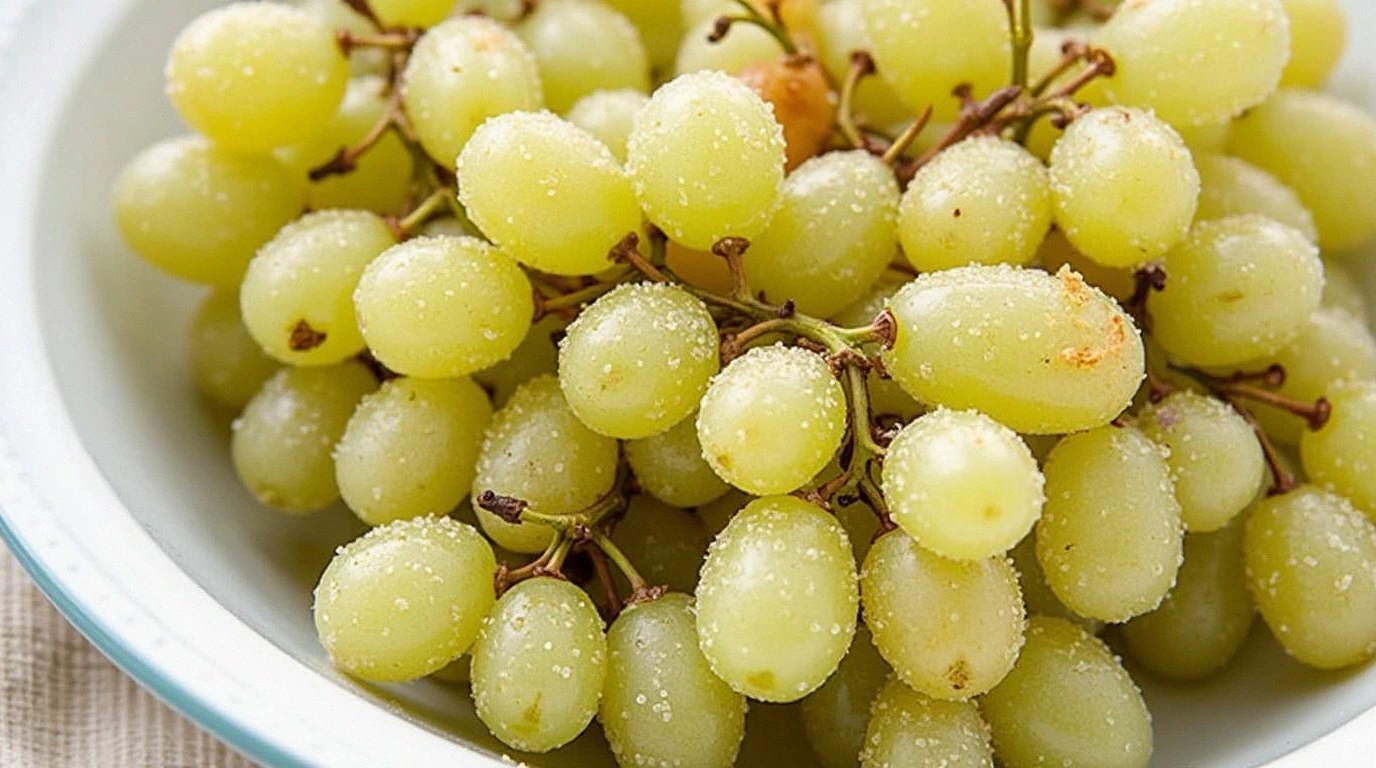
At the heart of the dish is the sweet, crisp grape. Fresh, firm grapes—preferably red or green—provide the juicy foundation. If you’re using frozen grapes, thaw them first and pat them dry; excess moisture will steam them instead of roasting. The grapes should be whole or halved; whole grapes keep the texture intact, while halves allow the prosecco to seep in more deeply.
Prosecco is the star that brings sparkle and depth. A dry, crisp prosecco works best; it balances the natural sugars in the grapes without overpowering them. Pour it in a measured 1/2 cup so it reduces to a glossy glaze during roasting. The alcohol content evaporates, leaving behind a caramelized sweetness that coats each grape.
The Texture Crew
Olive oil is the secret to a silky finish. Use 2 tablespoons of extra‑virgin olive oil; it coats the grapes and helps the prosecco reduce into a glossy sheen. The oil also prevents the grapes from sticking to the pan, ensuring even cooking.
Garlic and rosemary add savory depth. Two cloves of minced garlic and a teaspoon of fresh rosemary bring aromatic complexity. The garlic infuses the oil and prosecco, while rosemary adds a subtle piney note that anchors the sweetness. If you’re not a fan of rosemary, try thyme for a slightly different herbaceous profile.
The Unexpected Star
Parmesan cheese is the savory twist that turns a sweet dish into a gourmet experience. Quarter a cup of freshly grated Parmesan and sprinkle it over the grapes halfway through roasting. As it melts, it forms a golden crust that adds a nutty flavor and a slight crunch to the otherwise smooth texture.
A splash of lemon zest brightens the dish, cutting through the richness and adding a citrusy lift. One tablespoon of zest is enough to give a fresh, zesty aroma without overpowering the other flavors. If you don’t have fresh lemons, a small pinch of lemon zest or a dash of lemon juice can work, but the fresh zest is the best option.
The Final Flourish
A pinch of crushed red pepper flakes adds a subtle heat that keeps the dish from feeling too sweet. Use sparingly—just a pinch—to keep the balance. Fresh parsley garnish adds color, freshness, and a final herbaceous note. One tablespoon of chopped parsley is enough to give the dish a vibrant, green pop that makes it Instagram‑worthy.
Everything's prepped? Good. Let's get into the real action…
The Method — Step by Step
- Preheat the oven to 375°F (190°C). While the oven warms, wash the grapes and pat them dry. A dry surface ensures they roast evenly. Place them on a baking sheet lined with parchment paper. This step sets the stage for a perfectly caramelized finish.
- In a small saucepan, heat the olive oil over medium heat. Add the minced garlic and let it sizzle for about 30 seconds until fragrant. Be careful not to burn the garlic; you want a mellow aroma. This infuses the oil with garlic flavor that will permeate the grapes.
- Pour the prosecco into the saucepan. Let it simmer for 2 minutes, allowing the alcohol to evaporate and the liquid to reduce slightly. The prosecco should thicken into a syrupy glaze. This reduction will coat the grapes with a sweet, bubbly glaze that caramelizes in the oven.
- Stir in the chopped rosemary, salt, and pepper. The rosemary adds a fragrant, piney note while the salt and pepper season the entire dish. Mix until the herbs are evenly distributed. This ensures each grape gets a burst of flavor.
- Pour the mixture over the grapes. Toss gently so each grape is coated in the glossy prosecco‑garlic‑olive oil blend. Arrange them in a single layer on the baking sheet. A single layer guarantees even roasting and caramelization.
- Roast in the oven for 12-15 minutes. Keep an eye on the grapes; they should turn a deep golden color and the edges will start pulling away. This is the moment of truth—watch the glaze coat the grapes, turning them into little jewels.
- Halfway through, sprinkle the grated Parmesan over the grapes. The cheese will melt and form a golden crust. The Parmesan adds a savory umami layer that balances the sweet grapes. This step is crucial for the dish’s signature texture.
- Finish roasting for another 5-7 minutes. The grapes should be tender, the prosecco glaze thickened, and the Parmesan crust golden. Remove from the oven and let them rest for 2 minutes; this allows the flavors to settle.
- Finish with lemon zest, crushed red pepper flakes, and chopped parsley. Sprinkle the zest over the hot grapes for a bright citrus aroma. Add a pinch of red pepper flakes for a subtle heat. Toss gently to combine.
- Serve immediately. The dish is best enjoyed hot, while the prosecco glaze is still glossy and the Parmesan crust is warm. Pair with a glass of chilled prosecco or a crisp white wine for a complete experience.
That's it — you did it. But hold on, I've got a few more tricks that'll take this to another level. These insider tips will help you master the dish and impress your guests every time.
Insider Tricks for Flawless Results
The Temperature Rule Nobody Follows
Many people roast grapes at a high temperature, thinking it will caramelize them faster. However, a moderate oven temperature of 375°F (190°C) ensures even roasting and a glossy glaze without burning the prosecco. If you push the heat too high, the prosecco evaporates too quickly, leaving the grapes dry.
Why Your Nose Knows Best
Before you finish roasting, pause and inhale the aroma. The scent of caramelized prosecco and roasted garlic will tell you when the dish is ready. A sweet, buttery aroma indicates the glaze is perfect; if it smells burnt, it’s too long in the oven.
The 5‑Minute Rest That Changes Everything
Letting the grapes rest for a few minutes after roasting allows the juices to redistribute. This short rest prevents the dish from feeling overly wet and ensures each grape has a crisp, caramelized exterior.
Use a Silicone Baking Mat
A silicone mat keeps the grapes from sticking to the pan and makes cleanup a breeze. It also provides a slightly higher surface that encourages even roasting.
Add a Splash of Balsamic Reduction
For a deeper flavor profile, finish the dish with a drizzle of balsamic reduction. The acidity pairs beautifully with the sweet grapes and enhances the overall complexity.
Creative Twists and Variations
This recipe is a playground. Here are some of my favorite ways to switch things up:
Fig & Prosecco Delight
Swap grapes for fresh figs. The natural sweetness of figs pairs wonderfully with prosecco. Follow the same roasting technique and finish with a drizzle of honey for extra decadence.
Cherry Tomato & Basil
Use cherry tomatoes instead of grapes for a burst of acidity. Add fresh basil leaves for an aromatic twist. The tomatoes will soften into a sweet, savory bite that’s perfect for summer gatherings.
Pineapple & Coconut
For a tropical spin, replace grapes with pineapple chunks. Toss in shredded coconut before roasting for a chewy texture. The prosecco will caramelize the pineapple, creating a sweet, caramelized glaze.
Mushroom & Thyme
Use sliced button mushrooms for a savory variation. Add thyme instead of rosemary. The mushrooms absorb the prosecco glaze and become tender, earthy morsels.
Smoked Paprika & Honey
Add a pinch of smoked paprika to the roast for a smoky depth. Finish with a light drizzle of honey. This combination balances sweet, smoky, and savory flavors.
Roasted Pepper & Feta
Swap grapes for roasted bell pepper strips. Sprinkle crumbled feta cheese on top. The feta adds a salty contrast to the sweet, bubbly glaze.
Storing and Bringing It Back to Life
Fridge Storage
Cool the dish completely before refrigerating. Store in an airtight container for up to 3 days. The glaze will thicken slightly; reheat gently in a microwave or on the stove with a splash of water to restore the glossy finish.
Freezer Friendly
Wrap the grapes tightly in parchment paper and place them in a freezer bag. They stay best for 2 weeks. When ready to serve, thaw overnight in the refrigerator and reheat in the oven at 350°F (175°C) for 10 minutes.
Best Reheating Method
Reheat in a skillet over medium heat, adding a tablespoon of water to create steam. This technique keeps the grapes moist and restores the prosecco glaze. Avoid reheating in the microwave, as it can make the grapes soggy.