I was in the middle of a backyard barbecue when a sudden heatwave turned my lemonade into a sad, watery mess. The sugar had dissolved into a syrupy puddle, the lemons had lost their zing, and the pineapple chunks were drowning in a bland pool of water. That moment was a culinary wake‑up call, a reminder that a drink can be as daring as a dessert. I dared myself to rewrite the classic recipe, adding a splash of coconut milk and a pinch of cayenne to give it a tropical heat that sings. By the end of that afternoon, I had discovered the ultimate version of pineapple lemonade that will make your taste buds dance.
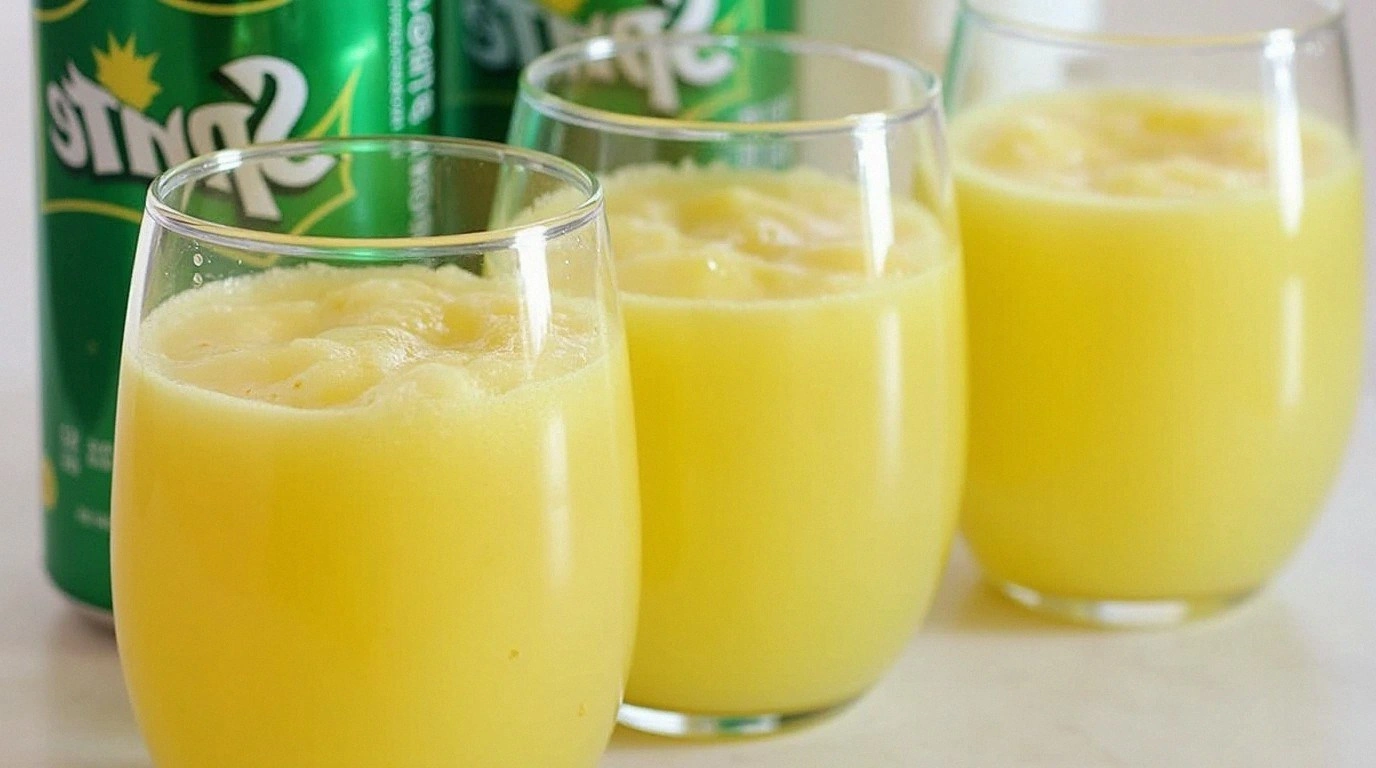
Picture this: a glass that glistens like a tropical sunrise, the aroma of fresh pineapple mingling with sharp lemon zest, and the faint scent of mint swirling in the air. The first sip is a bright, citrusy burst that immediately wakes up your palate, followed by the mellow sweetness of pineapple that lingers like a warm hug. The texture is a delightful contrast—crushed ice gives a satisfying crunch, while the liquid glides smoothly over the tongue. If you close your eyes, you can almost hear the gentle clink of ice and feel the coolness against your lips. This drink doesn’t just quench thirst; it transports you to a sunny beach in a single gulp.
What makes this version stand out is that it doesn’t rely on store‑bought juice or artificial flavors. I hand‑picked ripe pineapples, extracted their juice fresh, and blended it with lemon juice squeezed from the freshest lemons I could find. I added a homemade simple syrup that’s light enough to let the fruit shine, and a pinch of sea salt that lifts the flavors like a secret backstage pass. I even tossed in a few mint leaves to give a cooling finish that balances the heat from the chili flakes. The result? A drink that feels like a tropical cocktail but is perfectly safe for kids and adults alike.
I dare you to taste this and not go back for seconds. Most recipes get this completely wrong, using too much sugar or too much water, diluting the bright flavors. This is hands down the best version you'll ever make at home, and I promise you’ll be amazed when you taste the subtle heat that lingers. If you've ever struggled with making lemonade that isn’t flat, you’re not alone—this recipe has the fix. Let me walk you through every single step—by the end, you'll wonder how you ever made it any other way.
What Makes This Version Stand Out
- Freshness: Every ingredient is freshly squeezed or hand‑picked, ensuring vibrant flavors that store‑bought alternatives can’t match. If you skip fresh juice, the drink becomes flat and lifeless.
- Balanced Sweetness: A homemade simple syrup keeps sweetness in check while letting the natural fruit notes shine. Too much sugar can mask the pineapple’s tropical edge.
- Texture Play: Crushed ice gives a crunchy bite that contrasts with the silky liquid, creating a multi‑sensory experience. Leaving the ice too large makes the drink sluggish.
- Heat Kick: A whisper of cayenne or chili flakes adds a subtle warmth that wakes up the palate and pairs beautifully with citrus. Omitting the heat results in a one‑dimensional drink.
- Cooling Mint: Fresh mint leaves add a refreshing finish that cuts through the citrusy tang, leaving a lingering coolness. If you skip mint, the drink feels a little too sharp.
- Make‑Ahead Friendly: The lemonade can be prepared up to 24 hours ahead without losing quality, thanks to the citrus’s natural preservative effect. Storing it too long can cause the pineapple to oxidize and lose flavor.
- Versatile Serving: Whether you pour it over a cocktail, use it as a base for a mocktail, or serve it chilled at a picnic, it adapts to any occasion. Skipping the optional coconut milk limits its versatility.
Inside the Ingredient List
The Flavor Base
Pineapple juice is the star of the show, delivering that unmistakable tropical sweetness that pairs perfectly with the sharp bite of lemon juice. Freshly extracted pineapple juice carries a vibrant, slightly tart profile that keeps the drink lively. When you squeeze fresh lemons, you capture bright, zesty aromatics that cut through the sweetness, creating a balanced flavor profile. If you’re in a pinch, a high‑quality bottled pineapple juice can work, but it will lack the nuanced depth of a fresh squeeze.
For those who love a bit of complexity, consider adding a teaspoon of freshly grated lemon zest to the mix. The zest releases essential oils that elevate the citrus notes and add a subtle aromatic layer. If you prefer a sweeter base, you can blend in a splash of coconut water, which also adds natural electrolytes for a hydrating boost. Always taste as you go; a pinch of sea salt can help highlight the fruit’s natural sugars.
The Texture Crew
Crushed ice is the texture backbone, giving the lemonade a satisfying crunch that keeps it cool and refreshing. The ice’s surface area allows it to melt quickly, diluting the drink just enough to keep it from becoming syrupy. Simple syrup is the sweetener of choice, as it dissolves cleanly without clouding the liquid. A 1:1 ratio of sugar to water, heated until sugar dissolves, provides a silky sweetness that doesn’t overpower the fruit.
Should you prefer a lower‑calorie option, replace the simple syrup with honey or agave nectar; just remember to adjust the quantity, as these sweeteners have a stronger flavor profile. For a more natural approach, use raw honey and let it dissolve slowly in warm water. If you want a fizzy texture, add a splash of sparkling water just before serving. The key is to keep the ice crushed rather than cubed; the smaller pieces melt faster and give that classic lemonade feel.
The Unexpected Star
Chili flakes introduce a subtle heat that lingers on the palate, creating a dynamic contrast to the bright fruit. A ¼ teaspoon per four cups of lemonade is enough to tease the taste buds without overwhelming them. Coconut milk adds a creamy undertone, giving the drink body and a silky mouthfeel that feels like a tropical escape. The combination of coconut milk and chili creates a unique flavor profile that feels both exotic and familiar.
If you’re not a fan of heat, simply omit the chili and double the coconut milk for a richer, dessert‑like beverage. For a smoky twist, try adding a pinch of smoked paprika instead of chili; it brings depth without heat. Coconut milk also works well as a dairy alternative, making the drink suitable for lactose‑intolerant guests. The creamy texture can be enhanced by blending the coconut milk with the pineapple juice to create a frothy top layer.
The Final Flourish
Mint leaves provide a cool, aromatic finish that balances the citrusy tang and tropical sweetness. Fresh mint releases chlorophyll‑rich oils that add a subtle herbal note, making the drink feel more complex. A pinch of sea salt brightens the overall flavor, cutting through the fruit’s natural sweetness and adding a savory depth. Together, mint and salt create a harmonious finish that lingers pleasantly on the palate.
For a different aromatic experience, swap mint for basil; the sweet, slightly peppery notes complement the pineapple well. If you prefer a floral hint, add a few drops of rose water, but use sparingly to avoid overpowering the fruit. A pinch of smoked salt can also give a unique twist, adding a subtle umami note. Always let the mint steep in the glass for a few seconds before pouring to release its full aroma.
Everything's prepped? Good. Let's get into the real action.
The Method — Step by Step
- Begin by peeling, coring, and chopping the pineapple into bite‑sized chunks. Place the pieces in a high‑speed blender until smooth, then strain through a fine mesh sieve to remove pulp. This step ensures a silky base that won’t leave gritty bits in your glass. While the juice is still warm, let it cool to room temperature before proceeding.
- While the pineapple juice rests, squeeze the lemons until you’ve extracted a full cup of fresh juice. Strain the juice through a sieve to remove seeds and pulp, ensuring a clear, bright liquid. The fresh lemon juice is essential; bottled versions lack the vibrant acidity that keeps the drink lively.
- In a small saucepan, combine equal parts sugar and water, heat gently until the sugar dissolves completely, and allow the syrup to cool. This simple syrup will sweeten the lemonade without clouding the liquid. If you prefer a lower‑calorie option, replace the sugar with honey or agave nectar, but remember to adjust the quantity.
- Combine the cooled pineapple juice, fresh lemon juice, simple syrup, and 4 cups of cold water in a large pitcher. Stir gently to blend the flavors, then add a pinch of sea salt to brighten the overall profile. The salt acts as a flavor enhancer, allowing the fruit’s natural sweetness to shine.
- Introduce the chili flakes to the mixture. Start with ¼ teaspoon and stir; taste before adding more. The heat should be subtle, teasing the palate without overwhelming the citrus. If you’re sensitive to heat, omit the chili entirely.
- Let the mixture chill in the refrigerator for at least 30 minutes, allowing the flavors to meld. If you’re in a hurry, you can add a handful of crushed ice to the pitcher to cool it quickly. The ice will also dilute the drink slightly, maintaining the balance of sweetness and tartness.
- When ready to serve, fill glasses with crushed ice, pour the chilled lemonade over the ice, and garnish with a sprig of fresh mint. The mint releases its aroma as soon as it touches the liquid, giving the drink an aromatic finish. Serve immediately for the best experience.
That’s it — you did it. But hold on, I've got a few more tricks that'll take this to another level.
Insider Tricks for Flawless Results
The Temperature Rule Nobody Follows
Many people think cold lemonade tastes better, but the truth is that a slightly warmer drink releases more aromas. Keep the lemonade just above chill (around 45°F) when serving; this allows the citrus notes to pop. If you’re serving at a picnic, use a thermos to maintain the ideal temperature. A perfectly chilled drink can mask the subtle heat of the chili, so a little warmth helps balance everything.
Why Your Nose Knows Best
Before pouring, give the lemonade a quick sniff. A bright, citrusy aroma signals that the lemon juice is fresh and the pineapple is sweet. If the scent feels flat, the drink might have lost its freshness; consider adding a splash of fresh lemon juice or a few mint leaves to revive it. Trusting your nose ensures you always serve a drink that smells as good as it tastes.
The 5‑Minute Rest That Changes Everything
After adding the chili flakes, let the mixture rest for 5 minutes before chilling. This brief pause allows the heat to infuse evenly, preventing the drink from becoming lumpy or overly hot. A friend once skipped this step and ended up with a drink that tasted like a chili soup. The rest period is simple, but it makes a world of difference.
Mind the Salt
Sea salt is the secret to brightening flavors, but too much can turn your lemonade into a saline mess. A pinch is enough to lift the fruit’s sweetness. If you prefer a sweeter profile, reduce the salt slightly and compensate with a bit more simple syrup. The balance is key; a well‑salted drink feels rounded and complete.
Mint Matters
Mint is not just a garnish; it’s a flavor component that can alter the drink’s profile. Crush the mint leaves lightly before adding them to release essential oils. If you’re serving a crowd, pre‑muddle the mint in a shaker to create a uniform flavor. A single sprig can add a burst of aroma, but too many may overwhelm the citrus.
Chili Control
Chili flakes come in various heat levels; use a mild variety for a gentle kick. If you’re experimenting, start with a quarter teaspoon and taste before adding more. A friend once added a full teaspoon and the lemonade tasted like a spicy cocktail. Moderation is the name of the game.
Creative Twists and Variations
This recipe is a playground. Here are some of my favorite ways to switch things up:
Coconut Pineapple Cooler
Swap the simple syrup with coconut milk for a creamy, tropical base. Add a splash of coconut water for extra electrolytes. The result is a dessert‑like beverage that feels like a beach vacation. Perfect for a summer gathering.
Spicy Ginger Pineapple Lemonade
Introduce fresh grated ginger into the mix for a zesty, spicy kick. Ginger pairs well with the pineapple’s sweetness and adds a warming undertone. Serve over crushed ice for a refreshing twist that’s both spicy and sweet.
Berry‑Infused Pineapple Lemonade
Blend a handful of fresh berries (strawberries, blueberries, or raspberries) into the pineapple juice before straining. The berries add a subtle tartness and a pop of color. This variation is ideal for a brunch or a themed party.
Sparkling Pineapple Lemonade
Replace the still water with sparkling water just before serving to create a fizzy version. The bubbles add a playful texture that makes the drink feel light and airy. Keep the ice crushed for maximum effervescence.
Pineapple Lemonade with Vodka
For an adult twist, stir in a splash of vodka after chilling. The alcohol adds a smooth finish without overpowering the fruit. This version is great for a summer cocktail night.
Pineapple & Basil Lemonade
Swap mint for fresh basil leaves for an herbal note that complements the pineapple. Basil’s sweet, peppery flavor adds depth. This variation is ideal for a garden party or a sophisticated gathering.
Storing and Bringing It Back to Life
Fridge Storage
Store the lemonade in an airtight container in the refrigerator for up to 48 hours. Keep the container sealed to preserve the citrus aroma. When you’re ready to serve, give it a quick stir to re‑integrate any settled ingredients.
Freezer Friendly
For longer storage, pour the lemonade into ice cube trays and freeze. Once frozen, transfer the cubes to a freezer bag. These cubes can be added directly to glasses to keep the drink chilled without dilution.
Best Reheating Method
Reheating is not recommended, but if you must, add a splash of cold water to the frozen cubes before pouring. This small trick steams the drink back to its original temperature and prevents it from becoming too watery.