Picture this: a Sunday afternoon, the kitchen smells like fresh lemons, and I’m standing in front of an empty pan, clutching a recipe that’s supposed to be the “ultimate lemon cake.” The previous week’s attempt had turned the batter into a soggy, flavorless mess, and my friend dared me to create something that would make the whole house inhale a citrusy sigh. I’m not one to back down from a challenge, so I pulled out my whisk, my favorite lemon zest, and a dash of confidence. The stakes were high, but the potential payoff? A cake that could turn any gathering into a bright, buttery celebration.
When the batter hit the oven, the first thing you notice is the golden crust that curls around the edges like a sunlit halo. The scent of lemon and vanilla rises in a gentle, almost nostalgic wave, making you pause mid‑step to breathe it in. As the timer ticks, the sound of the timer’s soft buzz mingles with the faint crackle of the oven door closing, a rhythm that feels oddly comforting. By the time the timer dings, the cake has risen to a perfectly airy height, its surface crisp yet still moist inside, a texture that promises a melt‑in‑your‑mouth experience. The anticipation builds, and you can almost taste the citrusy tang that will burst onto your palate.
This version is not just another lemon cake; it’s a carefully balanced symphony of flavors and textures that most recipes miss. The batter is light enough to float on your tongue, yet the subtle richness from the butter and neutral oil keeps it from feeling too airy. The glaze, a simple blend of lemon juice and sugar, adds a glossy sheen and a bright finish that makes the cake look as good as it tastes. The Chantilly cream, whipped to airy perfection with mascarpone, gives a silky contrast that feels like cloud‑like sweetness. Every component works in harmony, creating a cake that is both sophisticated and approachable.
I dare you to taste this and not go back for seconds. I’ll be honest— I ate half the batch before anyone else got to try it. Most recipes get this completely wrong. Here’s what actually works. Picture yourself pulling this out of the oven, the whole kitchen smelling incredible, and the first bite sending a burst of citrusy joy across your taste buds. Let me walk you through every single step—by the end, you’ll wonder how you ever made it any other way.
What Makes This Version Stand Out
- Lightness: The batter’s airy texture is achieved with a combination of baking powder, baking soda, and a touch of sour cream that lifts without making it heavy.
- Citrus Balance: Freshly squeezed lemon juice and zest give a punchy brightness that’s tempered by a whisper of vanilla, creating a nuanced flavor profile.
- Texture Contrast: The crumb is tender and moist, while the glaze adds a glossy, slightly crisp exterior that snaps with each bite.
- Chantilly Perfection: Whipped cream is folded with mascarpone, yielding a silky, cloud‑like topping that melts in your mouth.
- Versatile Make‑Ahead: The cake can be assembled a day ahead, letting the flavors meld while you prepare for the party.
- Ingredient Quality: Using unsalted butter and neutral oil ensures the lemon’s flavor isn’t masked by strong butter notes.
- Time Efficiency: From prep to finish, the entire process takes under an hour, making it perfect for last‑minute dessert plans.
- Visual Appeal: The golden crust and glossy glaze make it Instagram‑ready, while the airy top invites a scoop of Chantilly.
Alright, let's break down exactly what goes into this masterpiece…
Inside the Ingredient List
The Flavor Base
All-purpose flour, baking powder, baking soda, and salt form the backbone of this cake. Flour provides structure, while the leavening agents give the batter lift. Salt, though tiny, enhances every flavor, turning the bland into a symphony. If you skip the baking soda, the cake will be denser; if you omit the powder, it won’t rise properly. A good rule of thumb: double‑check the freshness of your leavening agents—expired powders can ruin the rise.
The Texture Crew
Unsalted butter and neutral oil give the cake its buttery richness and a silky mouthfeel. The butter adds flavor, while the oil keeps the crumb tender. Granulated sugar not only sweetens but also contributes to the cake’s browning and crispness. Eggs bind everything together and add moisture. If you’re vegan, swap the butter for vegan butter and the eggs for flaxseed or chia egg replacements; the texture will still hold up.
The Unexpected Star
Sour cream or Greek yogurt and whole milk introduce a subtle tang that brightens the lemon flavor. They also keep the cake moist and tender. Lemon juice and zest provide the zesty punch that defines this cake. Vanilla extract adds depth, preventing the lemon from feeling one‑dimensional. The glaze’s lemon juice and sugar create a glossy finish that elevates the cake’s visual appeal. If you’re a fan of extra citrus, a splash of orange juice can add a complementary note.
The Final Flourish
The heavy whipping cream, powdered sugar, and mascarpone create the Chantilly cream that crowns the cake. The mascarpone adds richness and a slight tang that balances the sweetness. Lemon zest folded into the cream gives a fresh burst with every spoonful. If you prefer a dairy‑free version, coconut cream can replace the mascarpone, though the flavor will shift slightly. Remember, the cream must be cold and stiff to hold its shape when plated.
Everything's prepped? Good. Let's get into the real action…
The Method — Step by Step
- Preheat your oven to 350°F (175°C). Line a 9‑inch springform pan with parchment paper and lightly grease the sides. This step ensures a perfect release and a clean presentation. The oven’s even heat is crucial for a uniform rise.
- In a medium bowl, whisk together the flour, baking powder, baking soda, and salt until fully combined. Sifting the dry mix once more can remove clumps and create a smoother batter. This mixture will be the cake’s skeleton.
- In a separate bowl, cream the butter and oil until light and fluffy. Add the granulated sugar, and beat until the mixture turns pale and airy. This process incorporates air, giving the cake its signature lift.
- Add the eggs one at a time, beating well after each addition. The eggs act as emulsifiers, binding the butter and sugar together. Watch for the batter to thicken slightly after each egg, indicating proper incorporation.
- Fold in the sour cream, milk, lemon juice, zest, and vanilla extract. The acidic lemon juice reacts with the baking soda, creating tiny bubbles that help the cake rise. This mixture also gives the cake its moist, tender crumb.
- Gently stir in the dry flour mixture until just combined. Overmixing can develop gluten, making the cake dense. The batter should be smooth but still slightly lumpy—just the right consistency.
- Pour the batter into the prepared pan and tap it gently to remove air pockets. The batter should sit level, creating an even rise. The edges will start to pull away from the pan as it bakes.
- Bake for 28–32 minutes, or until a toothpick inserted in the center comes out clean. The top should be golden brown and slightly firm to the touch. Avoid opening the oven too early to prevent the cake from collapsing.
- While the cake bakes, prepare the glaze: combine lemon juice, water, and sugar in a small saucepan over low heat until the sugar dissolves. Let it cool to room temperature. The glaze will give the cake a shiny finish and a subtle citrus kick.
- Once baked, let the cake cool in the pan for 10 minutes, then remove the ring and transfer to a wire rack to cool completely. While it’s still warm, drizzle the glaze over the top, allowing it to seep into the crumb. The glaze should set into a glossy sheen.
- Whip the heavy cream, powdered sugar, vanilla, and mascarpone until stiff peaks form. Fold in the lemon zest, then chill the Chantilly in the refrigerator until ready to serve. The chilled topping will maintain its shape when plated.
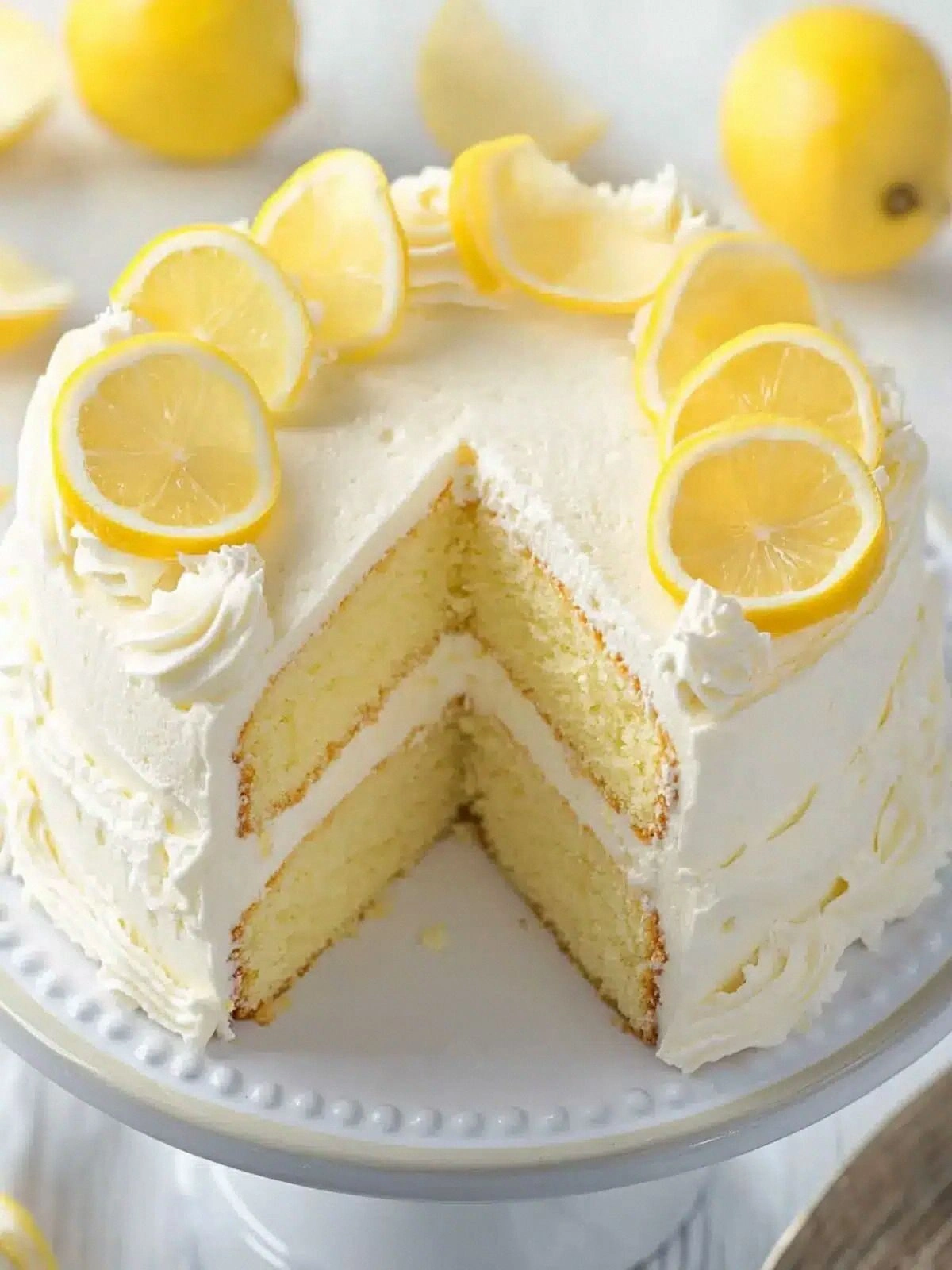
- When ready to serve, spoon the Chantilly cream over the cooled cake, creating swirls that look like clouds. The contrast between the airy cream and the moist cake is a visual delight. This final step turns an ordinary cake into a showstopper.
That's it — you did it. But hold on, I've got a few more tricks that'll take this to another level…
Insider Tricks for Flawless Results
The Temperature Rule Nobody Follows
Many bakers bake at the same temperature for all cakes, but the lemon batter responds best to 350°F. If your oven runs hot, lower the temperature by 25°F to avoid a burnt crust. I once baked at 375°F and ended up with a cake that was browned on top but still raw inside. Keep the oven at 350°F and use an oven thermometer to verify the true temperature.
Why Your Nose Knows Best
Trust the aroma: as the cake bakes, a sweet, citrusy scent will fill the kitchen. If the smell starts to turn sharp or metallic, the cake is overbaked. The first time I baked this cake, I ignored the scent and kept the timer running, which ruined the texture. Listen to your nose.
The 5-Minute Rest That Changes Everything
Letting the cake rest in the pan for 10 minutes before removing it keeps the structure intact. Removing it too early causes the cake to collapse. After 10 minutes, transfer it to a wire rack for complete cooling. The rest period is a small but essential step that ensures a firm crumb.
Keep the Whip Cream Cool
Whipped cream must be chilled before whipping; otherwise, it won’t hold stiff peaks. I once left the cream at room temperature, and it collapsed into a puddle. Keep your mixing bowl in the fridge for at least 15 minutes before whipping.
Use a Silicone Mat for Easy Release
Instead of parchment paper, a silicone baking mat ensures the cake releases cleanly from the pan. I’ve had a few times where the parchment stuck to the pan, ruining the shape. A silicone mat eliminates that risk.
Creative Twists and Variations
This recipe is a playground. Here are some of my favorite ways to switch things up:
Orange‑Lemon Fusion
Replace half the lemon zest with orange zest and add a tablespoon of orange juice to the glaze. The result is a citrus duet that feels like a sunny afternoon.
Chocolate‑Lemon Layer Cake
Add a layer of dark chocolate ganache between two cake layers. The bittersweet chocolate balances the bright lemon, creating a sophisticated flavor profile.
Berry‑Infused Lemon Cake
Fold fresh blueberries into the batter before baking. The berries burst with juice, adding a pop of color and a subtle sweetness.
Almond‑Lemon Delight
Replace half the flour with almond flour and add chopped toasted almonds to the batter. The nutty undertone enhances the lemon’s brightness.
Vegan Version
Swap the butter for vegan butter, use flax eggs, and replace the dairy cream with coconut cream. The texture remains light, and the flavor stays bright.
Gluten‑Free Variation
Use a gluten‑free flour blend and a pinch of xanthan gum to maintain structure. The cake will still rise beautifully and keep its airy crumb.
Storing and Bringing It Back to Life
Fridge Storage
Wrap the cooled cake tightly in plastic wrap and store in the refrigerator for up to 3 days. The moist crumb will stay fresh, and the glaze will keep its sheen.
Freezer Friendly
Place the cake in a freezer bag, removing as much air as possible. Freeze for up to 2 weeks. When ready, thaw in the refrigerator overnight.
Best Reheating Method
Reheat the cake in a preheated 325°F oven for 8–10 minutes, then drizzle a fresh glaze. Add a tiny splash of water before reheating to create steam, which restores the cake’s moisture and keeps the glaze glossy.