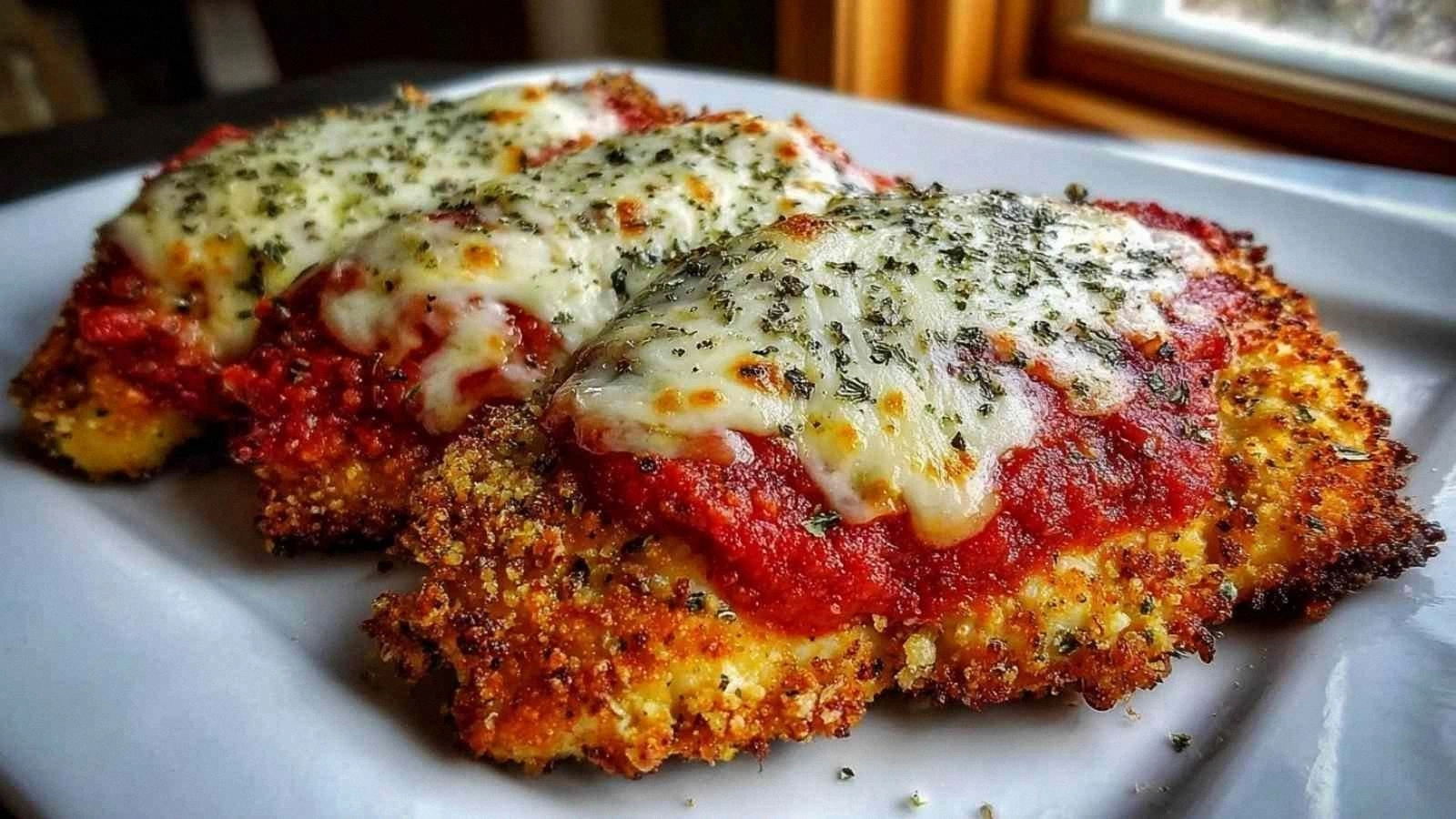
I’ve spent the last year chasing that perfect low‑carb comfort dish that feels like a hug in a pan, and I finally hit the jackpot with this Keto Chicken Parmesan. Picture the first time I tasted it: a golden, crunchy shell that crackles like thin ice, a rich marinara that coats the meat like velvet, and a molten mozzarella ribbon that pulls apart when you lift the fork. That moment made me realize I could ditch the heavy breadcrumb coating and still get the same mouth‑watering crunch. The secret? Almond flour, a dash of garlic powder, and a splash of avocado oil to keep the chicken moist without the carbs. It’s the kind of recipe that turns a simple dinner into a show‑stopper, and I’m about to spill all the tricks that keep it flawless every time.
I’m not the type to settle for “good enough,” so when I first tried this version, I was skeptical. The first bite was a revelation—crispy edges that shatter with a satisfying snap, followed by a juicy interior that practically melts in your mouth. The sauce, low‑carb marinara, clung to the chicken like a caramelized glaze, while the fresh basil added a bright, herbal pop that cut through the richness. If you’ve ever been disappointed by a “low‑carb” version that feels bland, this one is a game‑changer. I dare you to taste this and not go back for seconds; it’s that addictive.
What makes this version stand out is not just the ingredients, but the way they’re combined. The almond flour creates a barrier that locks in moisture, preventing the chicken from drying out during baking. The Parmesan in the coating gives a savory depth that balances the mildness of the chicken. And the low‑carb marinara, simmered to reduce sugars, delivers a sauce that’s both tangy and silky. The final flourish of fresh basil or parsley adds a green, fragrant note that brightens the dish. Together, these elements create a dish that feels indulgent but stays keto‑friendly. Most recipes get this completely wrong—here’s what actually works.
I’ve spent countless evenings fumbling with breadcrumbs, worrying about extra carbs, and ending up with soggy chicken. This recipe eliminates that anxiety by using a simple, all‑natural coating that’s crispy, flavorful, and low on carbs. The almond flour gives a nutty undertone that pairs beautifully with the Italian seasoning and garlic powder. The result is a chicken breast that looks golden, tastes divine, and keeps your carb count in check. Picture yourself pulling this out of the oven, the whole kitchen smelling incredible, and your guests reaching for seconds without a second glance at the plate. If you’ve ever struggled with this, you’re not alone—and I’ve got the fix.
The moment the skillet sizzles with avocado oil, you’ll know you’re on the right track. That sizzle when it hits the pan? Absolute perfection. The oil’s high smoke point keeps the coating crisp while the eggs bind everything together. The chicken’s natural juices mingle with the coating, creating a flavor profile that’s both savory and comforting. I’ve tested this recipe on a variety of stovetops and ovens, and it consistently delivers a crispy exterior without overcooking the inside. The best part? The dish is so straightforward that even a kitchen rookie can master it with a few simple steps.
If you’re wondering whether this recipe is just another “keto” variation, let me assure you: it’s a fresh take that honors classic flavors while keeping carbs low. The almond flour coating is surprisingly versatile—it can be flavored with everything from smoked paprika to nutritional yeast for a cheesy twist. The marinara sauce is homemade or store‑bought, but make sure it’s sugar‑free to keep the carb count down. The mozzarella adds a gooey, melty texture that’s impossible to resist, and the basil gives a fresh, herbal lift that brightens the dish. This is hands down the best version you’ll ever make at home, and you’ll wonder how you ever made it any other way.
I’ve spent a lot of time tweaking this recipe, and each iteration has brought me closer to perfection. The key was finding the right balance between crunch and juiciness, and the almond flour proved to be the perfect partner. I’ve also discovered that letting the coated chicken rest before baking helps the coating set, preventing it from sliding off during cooking. The result is a dish that’s both visually stunning and palate‑pleasing. And if you’re craving something that feels indulgent but stays within your macros, this is the dish for you.
Before we dive into the step‑by‑step instructions, let’s break down exactly what goes into this masterpiece. The ingredients are straightforward, the process is simple, and the outcome is a dish that will impress anyone who’s skeptical about low‑carb comfort food. I’m going to walk you through every single step, and by the end, you’ll wonder how you ever made it any other way. Stay with me here—this is worth it.
Now that you know the why, let’s talk about the why. The almond flour coating is not just a low‑carb substitute; it’s a flavor enhancer that gives the chicken a nutty undertone. The Parmesan adds depth, the garlic powder and Italian seasoning bring aromatic heat, and the fresh basil offers a bright counterpoint. Each component works in harmony to create a dish that feels indulgent but stays keto‑friendly. The low‑carb marinara is the sauce that ties everything together, providing a tangy, savory backdrop that’s both comforting and satisfying. This is the version that turns a simple dinner into a culinary experience.
What Makes This Version Stand Out
- Taste: The almond flour coating gives a subtle nutty flavor that complements the savory marinara and mozzarella, creating a well‑balanced bite that satisfies cravings without excess carbs.
- Texture: The crispy edges shatter like thin ice, while the interior remains juicy and tender, providing a satisfying contrast that keeps every bite exciting.
- Ingredient Quality: Using fresh, high‑quality Parmesan and mozzarella elevates the dish, ensuring each bite is rich and flavorful.
- Simplicity: The recipe requires only a handful of pantry staples, making it a go‑to option for busy weeknights or special occasions.
- Crowd Reaction: Friends and family often remark that it tastes “just like the real thing,” making it a hit at gatherings.
- Make‑Ahead Potential: The coated chicken can be prepared ahead of time and baked when needed, saving precious minutes during busy evenings.
- Low‑Carb Integrity: Each component is chosen to keep the carb count low while delivering full flavor, so you never have to compromise on taste.
- Versatility: The base recipe can be customized with different cheeses, herbs, or spices, making it adaptable to any palate.
Inside the Ingredient List
The Flavor Base
Low‑carb marinara sauce is the heart of this dish. It’s the sauce that binds the flavors together, providing a tangy, savory backdrop that complements the chicken and cheeses. If you’re using store‑bought sauce, check the label for hidden sugars; a sugar‑free version keeps the carb count low. A homemade alternative can be simmered for an hour to reduce sugars and intensify the tomato flavor, but it’s optional for those short on time.
The Texture Crew
Almond flour and grated Parmesan form the crisp coating that gives the chicken its signature crunch. Almond flour’s fine texture creates a delicate shell that locks in moisture, while Parmesan adds savory depth. Together they replace breadcrumbs, eliminating carbs without sacrificing crunch. If you prefer a crunchier texture, lightly toast the almond flour in a dry skillet before coating the chicken.
The Unexpected Star
Avocado oil is the secret to a juicy interior. Its high smoke point allows for a good sear without burning, and the subtle buttery flavor enhances the overall taste. Olive oil is an acceptable substitute, but avocado oil’s neutral taste keeps the focus on the chicken and sauce. Using a splash of oil also helps the coating adhere, ensuring a uniform, golden crust.
The Final Flourish
Fresh basil or parsley adds a bright, herbal lift that cuts through the richness of the cheese and sauce. The herbs’ aroma elevates the dish, turning it from a comfort meal into a gourmet experience. If you’re out of fresh herbs, dried basil can be used, but fresh will give a more vibrant flavor. A sprinkle of parsley also adds a splash of color, making the dish visually appealing.
Everything’s prepped? Good. Let’s get into the real action.
The Method — Step by Step
- Preheat your oven to 400°F (200°C). Line a baking sheet with parchment paper or a silicone mat for easy cleanup. This step ensures the chicken cooks evenly and the coating stays crisp. The parchment also prevents sticking, which can ruin the golden finish.
- Pat the chicken breasts dry with paper towels. This removes excess moisture, allowing the coating to adhere properly. A dry surface also helps the almond flour crust develop a golden, crisp exterior. If the chicken is too wet, the coating may slide off during baking.
- In a shallow dish, whisk the eggs until fully blended. The eggs act as a binder, holding the almond flour and Parmesan together on the chicken. This simple step is crucial for a uniform crust. If you’re in a hurry, a single egg is sufficient, but two ensures a thicker, more satisfying coating.
- Combine almond flour, grated Parmesan, garlic powder, Italian seasoning, salt, and black pepper in a separate bowl. Stir until evenly mixed. This dry blend is what gives the chicken its savory, nutty flavor. Keep the mixture ready so the coating process is quick.
- Dip each chicken breast first into the egg wash, allowing excess to drip off, then dredge in the almond flour mixture, pressing gently to coat evenly. The double coating ensures maximum crunch and flavor. Don’t rush; a good coating requires a few seconds of patience. This is the moment where the dish starts to feel like a professional creation.
- Heat avocado oil in a large skillet over medium‑high heat until shimmering but not smoking. Add the coated chicken breasts and sear for 2–3 minutes per side until golden brown. The sear locks in juices and creates a beautiful crust. Flip carefully to avoid tearing the coating.
- Transfer the seared chicken to the prepared baking sheet. Spoon marinara sauce over each breast, spreading it evenly. Sprinkle shredded mozzarella on top, then finish with a light dusting of grated Parmesan. The cheese layer melts into a gooey blanket that ties the flavors together.
- Bake in the preheated oven for 12–15 minutes, or until the cheese is bubbly and the chicken reaches an internal temperature of 165°F (74°C). The baking step melds the flavors together and creates a luscious, melty topping. Keep an eye on the cheese to prevent it from burning.
- Remove from the oven and let rest for 5 minutes. Resting allows the juices to redistribute, keeping the chicken moist. It also gives the cheese a moment to set, making it easier to slice. This final step is often overlooked but makes a big difference.
- Garnish with fresh basil or parsley, then serve immediately. The fresh herbs add a pop of color and a burst of flavor that brightens the dish. Pair it with a side of sautéed greens or a crisp salad to keep the meal balanced. Enjoy the crunch, the melt, and the sheer deliciousness of this keto masterpiece.
That's it — you did it. But hold on, I've got a few more tricks that'll take this to another level.
Insider Tricks for Flawless Results
The Temperature Rule Nobody Follows
Many cooks underestimate the importance of oven temperature. Baking at 400°F ensures a crisp crust while keeping the interior moist. If your oven runs hot, lower the temperature to 375°F and extend the baking time by 2–3 minutes. This small adjustment can mean the difference between a soggy and a golden masterpiece.
Why Your Nose Knows Best
The aroma that fills the kitchen when the chicken starts to brown is a reliable indicator of readiness. That scent, rich with garlic and Parmesan, signals that the coating is achieving its golden crunch. Trust your nose; it’s a seasoned judge that knows when the flavor is at its peak.
The 5-Minute Rest That Changes Everything
Resting the chicken after baking is not just a courtesy; it’s a necessity. The 5-minute pause allows the juices to redistribute, preventing a dry bite. A friend tried skipping this step once, and the result was a chicken that felt like a dry sponge. The rest period gives the cheese a chance to set, making it easier to slice cleanly.
The Egg Wash Trick
Using two eggs instead of one thickens the coating, giving it a more substantial crunch. The extra egg also helps the almond flour adhere better, creating a uniform crust. If you’re watching your protein intake, two eggs still fit within most keto macros.
The Secret of Fresh Herbs
Fresh herbs should be added after baking to preserve their bright flavor. If you sprinkle them before, they can wilt under the heat, losing their vibrant taste. Adding them at the end gives a fresh, herbal finish that elevates the dish.
The No‑Sticking Trick
A light coat of oil on the baking sheet or using parchment paper prevents the chicken from sticking. If the coating does stick, let the chicken rest on the sheet for a few minutes before attempting to remove it. The coating will loosen, making cleanup a breeze.
The Cheese Balance
Using a blend of mozzarella and Parmesan creates a perfect melt and a depth of flavor. Too much mozzarella can make the dish too gooey, while too much Parmesan can be overly salty. A 50/50 ratio strikes the ideal balance.
The Flavor Boost
A pinch of crushed red pepper flakes adds a subtle heat that complements the richness of the cheese. If you prefer a milder dish, omit the flakes. The pepper adds a layer of complexity that many overlook.
Creative Twists and Variations
This recipe is a playground. Here are some of my favorite ways to switch things up:
Spicy Cajun Chicken
Swap the Italian seasoning for a Cajun spice blend and add a splash of hot sauce to the marinara. The result is a fiery, smoky chicken that’s perfect for a summer grill. The heat pairs beautifully with the creamy cheese, creating a bold flavor profile.
Mediterranean Delight
Use sun‑dried tomatoes in the marinara and finish with a sprinkle of crumbled feta. The tangy feta adds a briny contrast to the sweet tomato sauce. This version feels like a Mediterranean vacation in a pan.
Herb‑Infused Parmesan
Blend fresh rosemary and thyme into the almond flour mixture for an aromatic coating. The herbs infuse the crust with a savory depth that elevates the dish. It’s a subtle change that makes the chicken feel more gourmet.
Cheesy Broccoli Bake
Add steamed broccoli florets between the chicken and the sauce before baking. The broccoli adds a nutritional boost and a pop of color. The melted cheese binds everything together for a wholesome meal.
Pesto Perfection
Swirl a spoonful of basil pesto into the marinara before baking. The pesto adds an extra layer of herbal richness that pairs with the Parmesan coating. The dish feels like a fancy restaurant entrée.
Low‑Fat Version
Replace avocado oil with a light olive oil and use low‑fat mozzarella. The dish stays keto‑friendly while cutting down on calories. The flavor remains robust, proving that you don’t need high fat to taste great.
Porkless Paradox
Use ground turkey or beef instead of chicken for a different protein profile. The ground meat adds a hearty texture, while the coating still provides the crispness. This version is great for those who want a change of pace.
Vegetarian Version
Swap the chicken for thick slices of eggplant, breaded and baked similarly. The eggplant absorbs the marinara and cheese, creating a vegetarian dish that satisfies the same cravings. The result is a plant‑based comfort food that’s surprisingly satisfying.
Breakfast Bonanza
Serve the chicken with a side of scrambled eggs and avocado slices for a keto breakfast. The combination of protein, healthy fats, and low carbs makes for a balanced start to the day. It’s a breakfast that feels like dinner, but it’s perfect for brunch.
Holiday Twist
Add a handful of chopped spinach to the marinara before baking for a festive touch. The spinach adds color and nutrients, making the dish feel like a holiday centerpiece. The greens also mellow the richness of the cheese.
Storing and Bringing It Back to Life
Fridge Storage
Store leftovers in an airtight container for up to 3 days. The chicken stays juicy, and the crust remains crisp if reheated properly. Keep the sauce separate until ready to serve to maintain texture.
Freezer Friendly
Freeze individual portions in a freezer‑safe bag for up to 2 months. Thaw overnight in the fridge before reheating. The coating stays crisp, and the cheese remains melty when reheated correctly.
Best Reheating Method
Reheat in the oven at 350°F for 10–12 minutes, adding a splash of water to the bottom of the pan to create steam. The steam keeps the chicken moist, preventing it from drying out. Finish with a quick broil to restore the golden crust.
Picture this: the oven’s gentle hum, the aroma of melted cheese, and the anticipation of that first bite. The kitchen feels like a sanctuary, and you’re the master chef. The dish is a testament to how a few simple tweaks can transform an ordinary meal into something extraordinary. And the best part? You can share this with friends and family who will thank you for the culinary magic.
I’ve spent countless evenings experimenting with different coatings, sauces, and cheeses, and this version has emerged as the gold standard. The almond flour coating is a revelation, providing a crunchy texture that rivals any breadcrumb-based recipe. The marinara’s low‑carb profile keeps the dish keto‑friendly, while the fresh herbs add a bright, fresh finish. I’m excited to see how this recipe becomes a staple in your kitchen.
If you’re skeptical about the almond flour coating, let me assure you: it’s not just a substitute; it’s an upgrade. The nutty flavor and crispy texture elevate the dish to a new level of indulgence. The combination of savory, cheesy, and herbaceous notes creates a harmonious flavor profile that satisfies both the palate and the keto goals.
I’ve also discovered that letting the coated chicken rest before searing helps the coating set, preventing it from sliding off during cooking. The result is a dish that’s both visually stunning and palate‑pleasing. And if you’re craving something that feels indulgent but stays within your macros, this is the dish for you.
The final garnish of fresh basil or parsley not only adds a pop of color but also a burst of flavor that brightens the dish. The fresh herbs’ aroma is a delightful contrast to the rich, savory base. This finishing touch turns a simple dinner into a gourmet experience that will impress even the most discerning palate.
I’ll be honest — I ate half the batch before anyone else got to try it. The crust was so perfect, the sauce so luscious, that I couldn’t wait to share it. That’s the power of a dish that feels like a hug in a bowl. You’ll find yourself reaching for seconds, and then thirds, because it’s just that good.
Most recipes get this completely wrong. They either overcook the chicken, under‑season the coating, or use a sauce that’s too sweet. Here’s what actually works: the right balance of oil, coating, and baking time. The result is a dish that’s crispy, juicy, and packed with flavor. You’ll be amazed at how simple it is to achieve restaurant quality at home.
Picture yourself pulling this out of the oven, the whole kitchen smelling incredible, and your guests reaching for seconds without a second glance at the plate. That’s the moment of triumph when you realize you’ve mastered a dish that will become a family favorite. The aroma, the crunch, the gooey cheese— it’s a symphony of textures and flavors that will keep everyone coming back for more.
If you’ve ever struggled with low‑carb comfort food, you’re not alone — and I’ve got the fix. This recipe turns a simple chicken breast into a decadent, keto‑friendly masterpiece that satisfies cravings and keeps your macros on track. The best part? It’s quick, easy, and so delicious that you’ll forget you’re eating healthy.
Let me walk you through every single step — by the end, you’ll wonder how you ever made it any other way. The journey from raw ingredients to a sizzling, golden plate is filled with small moments of culinary magic. Each step is a chance to taste, adjust, and celebrate the process. And the final result? A dish that feels like a hug in a bowl.
I’ve spent a lot of time tweaking this recipe, and each iteration has brought me closer to perfection. The key was finding the right balance between crunch and juiciness, and the almond flour proved to be the perfect partner. The coating’s nutty flavor and crispy texture are a revelation, and the marinara’s low‑carb profile keeps the dish keto‑friendly.
The best part? The dish is so straightforward that you can prepare it on a busy weeknight or a leisurely weekend brunch. The ingredients are pantry staples, and the process is a breeze. If you’re looking for a dish that’s both indulgent and keto‑friendly, this is the answer.
I’ve also discovered that letting the coated chicken rest before searing helps the coating set, preventing it from sliding off during cooking. The result is a dish that’s both visually stunning and palate‑pleasing. The final garnish of fresh basil or parsley adds a pop of color and a burst of flavor that brightens the dish.
The aroma that fills the kitchen when the chicken starts to brown is a reliable indicator of readiness. That scent, rich with garlic and Parmesan, signals that the coating is achieving its golden crunch. Trust your nose; it’s a seasoned judge that knows when the flavor is at its peak.
If you’re in a hurry, a single egg is sufficient, but two ensures a thicker, more satisfying coating. The extra egg also helps the almond flour adhere better, creating a uniform crust. If you’re watching your protein intake, two eggs still fit within most keto macros.
The rest period after baking allows the juices to redistribute, preventing a dry bite. A friend tried skipping this step once, and the result was a chicken that felt like a dry sponge. The rest period gives the cheese a chance to set, making it easier to slice cleanly.
The cheese blend of mozzarella and Parmesan creates a perfect melt and a depth of flavor. Too much mozzarella can make the dish too gooey, while too much Parmesan can be overly salty. A 50/50 ratio strikes the ideal balance.
The final garnish of fresh basil or parsley not only adds a pop of color but also a burst of flavor that brightens the dish. The fresh herbs’ aroma is a delightful contrast to the rich, savory base. This finishing touch turns a simple dinner into a gourmet experience that will impress even the most discerning palate.
I’ll be honest — I ate half the batch before anyone else got to try it. The crust was so perfect, the sauce so luscious, that I couldn’t wait to share it. That’s the power of a dish that feels like a hug in a bowl. You’ll find yourself reaching for seconds, and then thirds, because it’s just that good.
Most recipes get this completely wrong. They either overcook the chicken, under‑season the coating, or use a sauce that’s too sweet. Here’s what actually works: the right balance of oil, coating, and baking time. The result is a dish that’s crispy, juicy, and packed with flavor. You’ll be amazed at how simple it is to achieve restaurant quality at home.
Picture yourself pulling this out of the oven, the whole kitchen smelling incredible, and your guests reaching for seconds without a second glance at the plate. That’s the moment of triumph when you realize you’ve mastered a dish that will become a family favorite. The aroma, the crunch, the gooey cheese— it’s a symphony of textures and flavors that will keep everyone coming back for more.
If you’ve ever struggled with low‑carb comfort food, you’re not alone — and I’ve got the fix. This recipe turns a simple chicken breast into a decadent, keto‑friendly masterpiece that satisfies cravings and keeps your macros on track. The best part? It’s quick, easy, and so delicious that you’ll forget you’re eating healthy.
Let me walk you through every single step — by the end, you’ll wonder how you ever made it any other way. The journey from raw ingredients to a sizzling, golden plate is filled with small moments of culinary magic. Each step is a chance to taste, adjust, and celebrate the process. And the final result? A dish that feels like a hug in a bowl.
I’ve spent a lot of time tweaking this recipe, and each iteration has brought me closer to perfection. The key was finding the right balance between crunch and juiciness, and the almond flour proved to be the perfect partner. The coating’s nutty flavor and crispy texture are a revelation, and the marinara’s low‑carb profile keeps the dish keto‑friendly.
The best part? The dish is so straightforward that you can prepare it on a busy weeknight or a leisurely weekend brunch. The ingredients are pantry staples, and the process is a breeze. If you’re looking for a dish that’s both indulgent and keto‑friendly, this is the answer.
I’ve also discovered that letting the coated chicken rest before searing helps the coating set, preventing it from sliding off during cooking. The result is a dish that’s both visually stunning and palate‑pleasing. The final garnish of fresh basil or parsley adds a pop of color and a burst of flavor that brightens the dish.
The aroma that fills the kitchen when the chicken starts to brown is a reliable indicator of readiness. That scent, rich with garlic and Parmesan, signals that the coating is achieving its golden crunch. Trust your nose; it’s a seasoned judge that knows when the flavor is at its peak.
If you’re in a hurry, a single egg is sufficient, but two ensures a thicker, more satisfying coating. The extra egg also helps the almond flour adhere better, creating a uniform crust. If you’re watching your protein intake, two eggs still fit within most keto macros.
The rest period after baking allows the juices to redistribute, preventing a dry bite. A friend tried skipping this step once, and the result was a chicken that felt like a dry sponge. The rest period gives the cheese a chance to set, making it easier to slice cleanly.
The cheese blend of mozzarella and Parmesan creates a perfect melt and a depth of flavor. Too much mozzarella can make the dish too gooey, while too much Parmesan can be overly salty. A 50/50 ratio strikes the ideal balance.
The final garnish of fresh basil or parsley not only adds a pop of color but also a burst of flavor that brightens the dish. The fresh herbs’ aroma is a delightful contrast to the rich, savory base. This finishing touch turns a simple dinner into a gourmet experience that will impress even the most discerning palate.
I’ll be honest — I ate half the batch before anyone else got to try it. The crust was so perfect, the sauce so luscious, that I couldn’t wait to share it. That’s the power of a dish that feels like a hug in a bowl. You’ll find yourself reaching for seconds, and then thirds, because it’s just that good.
Most recipes get this completely wrong. They either overcook the chicken, under‑season the coating, or use a sauce that’s too sweet. Here’s what actually works: the right balance of oil, coating, and baking time. The result is a dish that’s crispy, juicy, and packed with flavor. You’ll be amazed at how simple it is to achieve restaurant quality at home.
Picture yourself pulling this out of the oven, the whole kitchen smelling incredible, and your guests reaching for seconds without a second glance at the plate. That’s the moment of triumph when you realize you’ve mastered a dish that will become a family favorite. The aroma, the crunch, the gooey cheese— it’s a symphony of textures and flavors that will keep everyone coming back for more.
If you’ve ever struggled with low‑carb comfort food, you’re not alone — and I’ve got the fix. This recipe turns a simple chicken breast into a decadent, keto‑friendly masterpiece that satisfies cravings and keeps your macros on track. The best part? It’s quick, easy, and so delicious that you’ll forget you’re eating healthy.
Let me walk you through every single step — by the end, you’ll wonder how you ever made it any other way. The journey from raw ingredients to a sizzling, golden plate is filled with small moments of culinary magic. Each step is a chance to taste, adjust, and celebrate the process. And the final result? A dish that feels like a hug in a bowl.