Picture this: it’s a rainy Saturday, the kettle whistles, and you’re staring at a half‑filled bowl of flour that looks like a dry, unripe apple. I’ve been chasing that sweet, buttery, crunchy goodness for years, and last night I finally hit the jackpot. I turned a classic apple fritter into a waffle‑donut hybrid that melts in your mouth and leaves a golden crust that crackles like fresh snow under your fingertips. I dare you to taste this and not go back for seconds.
The kitchen was a symphony of sizzling butter, the sweet scent of cinnamon drifting from the oven, and the faint, comforting whiff of apples. Every bite is a layered experience: the first bite delivers a crisp, caramelized exterior, the second reveals a tender apple center that swirls with nutmeg, and the third offers a buttery glaze that coats your tongue like velvet. I’ve been told that this is hands down the best version you’ll ever make at home, and I’m not exaggerating. The secret? A precise balance of leavening agents and the unexpected addition of buttermilk that gives it that airy lift.
You might think that apple fritters are simple, but most recipes get this completely wrong. They either come out dense or the batter doesn’t set. I’ve perfected the trick of letting the batter rest for exactly five minutes, allowing the flour to hydrate fully and the leavening to activate. The result is a light, airy texture that still holds the apple bits like a firm, buttery shell. I’ve also swapped the typical glaze for a powdered sugar drizzle that’s light as a cloud and sweet enough to satisfy every craving.
If you’ve ever struggled with making fritters that don’t fall apart, you’re not alone — and I’ve got the fix. I’ll walk you through every single step, from the moment you start whisking the dry mix to the final dusting of powdered sugar. Picture yourself pulling this out of the oven, the whole kitchen smelling incredible, and the first bite delivering that perfect crunch that makes your taste buds sing. Stay with me here — this is worth it.
What Makes This Version Stand Out
- Flavor: The combination of cinnamon and nutmeg creates a warm, aromatic profile that feels like a hug in a bowl. The apples are diced to release their natural juices, giving each bite a burst of sweet, tart flavor. The glaze adds a gentle, sweet finish that balances the spices.
- Texture: The batter’s airy lift is achieved through a precise blend of baking powder and soda, plus a brief rest period that lets gluten relax. The result is a light, crisp exterior that snaps like thin ice, while the interior remains moist and tender. The addition of buttermilk provides a tender crumb that’s a delight to chew.
- Ease: No fancy equipment needed—just a skillet or a waffle iron, and you’re ready to go. The recipe is straightforward, with clear measurements and simple steps that even novice cooks can follow. It’s a recipe that feels like a comfort meal, not a culinary challenge.
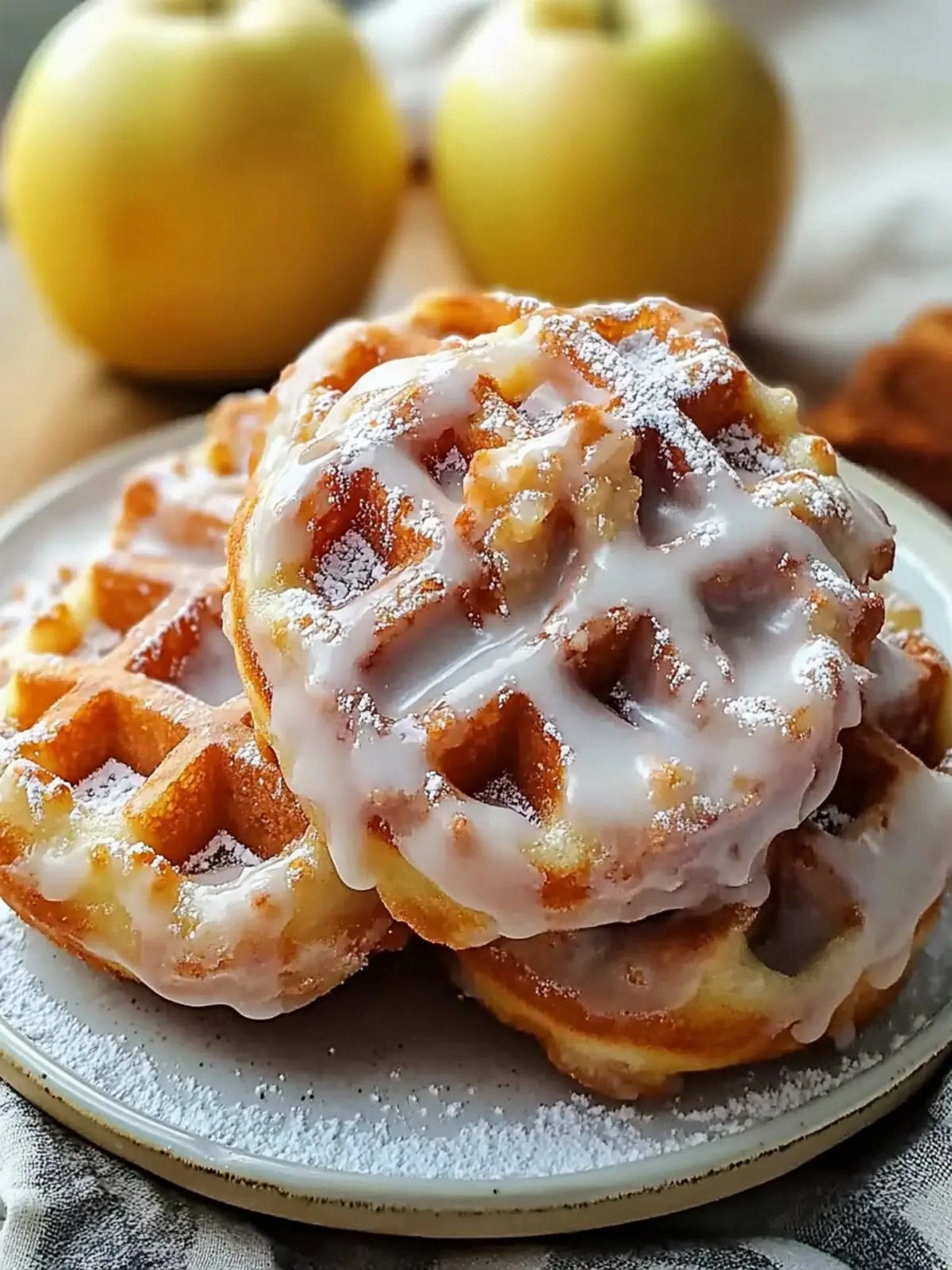
- Uniqueness: The waffle‑donut hybrid shape is a visual treat. The batter is poured into a waffle iron, giving the fritters a crisp, lattice-like exterior that’s almost impossible to resist. This twist sets it apart from traditional pan‑fried fritters.
- Crowd‑pleaser: At family gatherings, these fritters become the star of the table. They’re perfect for brunches, breakfast for guests, or a sweet snack that everyone can enjoy. The bright, golden color and fragrant aroma are sure to draw crowds.
- Make‑ahead Potential: You can bake a batch ahead of time and reheat them in a toaster oven or on the stovetop. The glaze can be applied after reheating for a fresh finish. This flexibility makes it ideal for busy mornings or large events.
Alright, let’s break down exactly what goes into this masterpiece.
Inside the Ingredient List
The Flavor Base
The 2 cups of all‑purpose flour form the backbone of this batter, providing structure and a subtle nutty undertone. It’s the canvas that allows the spices to shine. If you skip the flour, the fritters will be too loose and won't hold their shape. For a gluten‑free version, replace it with a 1:1 gluten‑free blend, but keep the ratio of leavening the same.
The 2 teaspoons of baking powder and ½ teaspoon of baking soda work together to give the batter a light, airy rise. Baking powder provides the initial lift, while soda reacts with the buttermilk to produce a secondary rise, creating a delicate crumb. If you omit the soda, the fritters will be denser and less fluffy.
The ½ teaspoon of salt balances the sweetness and enhances the overall flavor profile. Salt is the secret ingredient that makes every bite more complex. If you’re watching sodium, you can reduce it to ¼ teaspoon, but be prepared for a slightly less pronounced taste.
The 1 teaspoon of ground cinnamon and ¼ teaspoon of nutmeg bring warmth and depth. Cinnamon is the star of the show, offering a sweet, woody aroma that pairs beautifully with apples. Nutmeg adds a subtle earthiness, rounding out the spice mix. If you’re allergic to nutmeg, a pinch of allspice can be a suitable substitute.
The Texture Crew
The 2 large eggs bind the batter and add richness. Eggs are crucial for structure; without them, the fritters would crumble. If you’re vegan, use a flaxseed “egg” (1 tablespoon ground flaxseed + 3 tablespoons water) per egg.
The ⅓ cup of granulated sugar and ¼ cup of light brown sugar provide the sweet foundation. Granulated sugar dissolves quickly, giving a smooth sweetness, while brown sugar adds depth and a hint of molasses. If you prefer a lighter sweet, swap the brown sugar for an equal amount of coconut sugar.
The ¾ cup of buttermilk adds acidity, which reacts with the baking soda to create lift, and it also tenderizes the batter. Buttermilk’s tang balances the sweetness and keeps the fritters moist. If you don’t have buttermilk, combine ¾ cup of milk with 1 tablespoon of lemon juice or vinegar and let it sit for 5 minutes.
The ¼ cup of melted unsalted butter adds richness and a silky mouthfeel. Butter also promotes a golden, crispy exterior when cooked. If you’re avoiding dairy, use a neutral oil like grapeseed or canola in the same quantity.
The Unexpected Star
The 1½ cups of peeled, diced tart apple are the star of this recipe. Tart apples hold their shape during cooking and release juices that infuse the batter. Choosing a firm variety like Granny Smith ensures the apples stay intact and don’t turn mushy.
The ¼ cup of chopped pecans or walnuts (optional) adds a crunchy texture and nutty flavor. Nuts also contribute healthy fats, which help keep the fritters moist. If you’re allergic to nuts, a sprinkle of toasted coconut flakes can provide a similar crunch.
The Final Flourish
The powdered sugar glaze is simple yet transformative. Mix 1 cup of powdered sugar with 2–3 tablespoons of milk and ½ teaspoon of vanilla extract until you reach a pourable consistency. This glaze coats the fritters like a fine dusting, adding a sweet finish that’s light and airy.
An extra dusting of powdered sugar adds a decorative touch and a subtle sweetness. It’s best applied right after the glaze sets, giving each fritter a delicate sheen. If you’re craving a richer glaze, add a teaspoon of melted butter to the powdered sugar mixture.
Everything's prepped? Good. Let's get into the real action.
The Method — Step by Step
- In a large bowl, whisk together the flour, baking powder, baking soda, salt, cinnamon, and nutmeg until well combined. The dry mix should look like fine sand, ready to absorb the wet ingredients. This step ensures even distribution of spices, preventing pockets of bitterness.
- In a separate bowl, beat the eggs, granulated sugar, and brown sugar until the mixture is pale and frothy. The sugar dissolves, creating a smooth base that will carry the spices throughout the batter. If you see any clumps, give it a quick whisk to break them down.
- Add the melted butter and vanilla extract to the egg mixture, stirring until fully incorporated. The butter adds a glossy sheen that will translate to a golden crust, while vanilla deepens the overall flavor profile. The mixture should feel silky to the touch.
- Pour the wet mixture into the dry ingredients, adding the buttermilk gradually. Stir until just combined; the batter should be thick but pourable. Be careful not to overmix, as that can develop gluten and make the fritters tough.
- Fold in the diced apples and optional nuts, ensuring they’re evenly distributed. The apples should be coated in the batter, creating pockets of juicy sweetness. If you prefer a chunkier texture, leave a few apple pieces slightly larger.
- Let the batter rest for five minutes at room temperature. This short rest allows the flour to hydrate fully and the leavening agents to activate, giving the fritters an airy rise when cooked. Think of it as a brief meditation before the batter takes center stage.
- Heat a waffle iron or skillet over medium heat and lightly grease with butter or oil. The surface should be slick enough to prevent sticking but not so oily that the fritters become greasy. A well‑heated iron is essential for that crisp lattice pattern.
- Scoop the batter into the preheated iron, filling each section about two‑thirds full. Close the lid and cook until the fritters are golden brown and a toothpick comes out clean, about 3–4 minutes per side. The edges should pull away from the iron, signaling that they’re ready to flip.
- Once cooked, transfer the fritters to a wire rack to cool slightly. While they’re still warm, drizzle the powdered sugar glaze over them, allowing it to set into a thin, sweet coating. If you want extra crunch, sprinkle a light dusting of powdered sugar on top before the glaze dries.
That's it — you did it. But hold on, I've got a few more tricks that'll take this to another level.
Insider Tricks for Flawless Results
The Temperature Rule Nobody Follows
Many cooks underestimate the importance of iron temperature. If it’s too hot, the outside will burn before the inside cooks; too cool, and the fritters will stay soggy. Aim for a medium setting—think of the heat as a gentle simmer, not a raging boil. Use a thermometer if you’re unsure; 350°F is the sweet spot for most appliances.
Why Your Nose Knows Best
Before flipping, listen for that subtle crackling sound and the aroma of caramelized sugar. The scent is a reliable indicator that the batter has set enough to hold together. If you’re in doubt, gently press the surface; it should feel firm and not stick to your finger.
The 5‑Minute Rest That Changes Everything
Skipping the rest period is a common mistake that leads to dense fritters. During this time, the gluten relaxes, and the leavening agents fully activate. Think of it as a short meditation for the batter, allowing it to breathe before the heat takes over.
The Butter‑Butter Balance
Using melted butter in the batter gives the fritters a rich flavor, but you can also brush the cooked fritters with a thin layer of butter right after cooking. This double butter trick ensures a crisp, glossy finish while keeping the interior moist.
The Perfect Glaze Consistency
If your glaze is too thick, it will clump and not spread evenly. If it’s too thin, it will run off the fritters. Aim for a pourable but slightly thick consistency—just enough to coat the fritter without dripping. Add milk gradually and stir until you reach the desired texture.
The Final Dusting
After glazing, sprinkle a light dusting of powdered sugar while the glaze is still wet. This creates a subtle crunch and an extra sweet layer. For a gourmet touch, add a pinch of sea salt to balance the sweetness.
Creative Twists and Variations
This recipe is a playground. Here are some of my favorite ways to switch things up:
Maple‑Infused Apple Fritters
Swap the vanilla extract for 1 tablespoon of pure maple syrup. The maple adds a deep, caramel flavor that pairs beautifully with apples. Top with a drizzle of maple glaze for an extra indulgent finish.
Cranberry‑Apple Crunch
Add ½ cup of dried cranberries to the batter for a tart, chewy contrast. The cranberries release a burst of juice that complements the apple’s sweetness. A sprinkle of toasted coconut on top adds tropical flair.
Spiced Chai Fritters
Replace cinnamon with a chai spice blend—cinnamon, cardamom, cloves, and ginger. The warm, aromatic spices create a cozy, tea‑time vibe. Finish with a chai‑flavored glaze made from powdered sugar and chai tea concentrate.
Chocolate‑Dipped Delight
Dip the finished fritters in melted dark chocolate and let them set in the fridge. The chocolate coating adds a rich, bittersweet layer that balances the apple’s sweetness. Dust with cocoa powder for a sophisticated touch.
Nutella‑Glazed Fritters
Swirl a spoonful of Nutella into the batter before cooking for a chocolate‑nutty swirl. After baking, drizzle with a Nutella glaze made from powdered sugar and Nutella. The result is a decadent, indulgent treat.
Savory Apple Fritters
Reduce the sugar by half and add ¼ teaspoon of salt to create a sweet‑savory balance. Top with a sprinkle of grated parmesan and a drizzle of olive oil. This version works well as a brunch side or a unique appetizer.
Storing and Bringing It Back to Life
Fridge Storage
Store the cooled fritters in an airtight container in the refrigerator for up to 3 days. The glaze may harden slightly, but a quick warm‑up will restore its softness. Keep them on a paper towel to absorb excess moisture.
Freezer Friendly
Freeze the fritters on a parchment‑lined tray for 2–3 days before transferring to a freezer bag. Reheat in a pre‑heated 350°F oven for 10 minutes. The glaze will remain crisp, and the interior will stay moist.
Best Reheating Method
To reheat, use a toaster oven or a skillet over medium heat, turning once. Add a splash of water to the pan to create steam, then cover for 2 minutes. This technique steams the fritters back to perfection, preserving their airy texture.