Picture this: I’m standing in a cramped apartment kitchen, the timer on my phone blaring, and a half‑baked batch of noodles that look like they’ve seen better days. I’ve been chasing that perfect stir‑fry for months—an explosion of savory, sweet, and a hint of umami that lingers on the tongue. I’ve tried countless recipes, each promising “quick” and “delicious,” but the results were always the same: bland, over‑cooked veggies, or a sauce that clung to the pan like a stubborn stain. Then, one rainy evening, a friend dared me to whip up a beef snow pea skillet that would make even the most skeptical palate swoon. I rolled up my sleeves, grabbed a few pantry staples, and the next bite was pure revelation. That moment? It was the birth of the ultimate version of this dish—easy, bold, and utterly unforgettable.
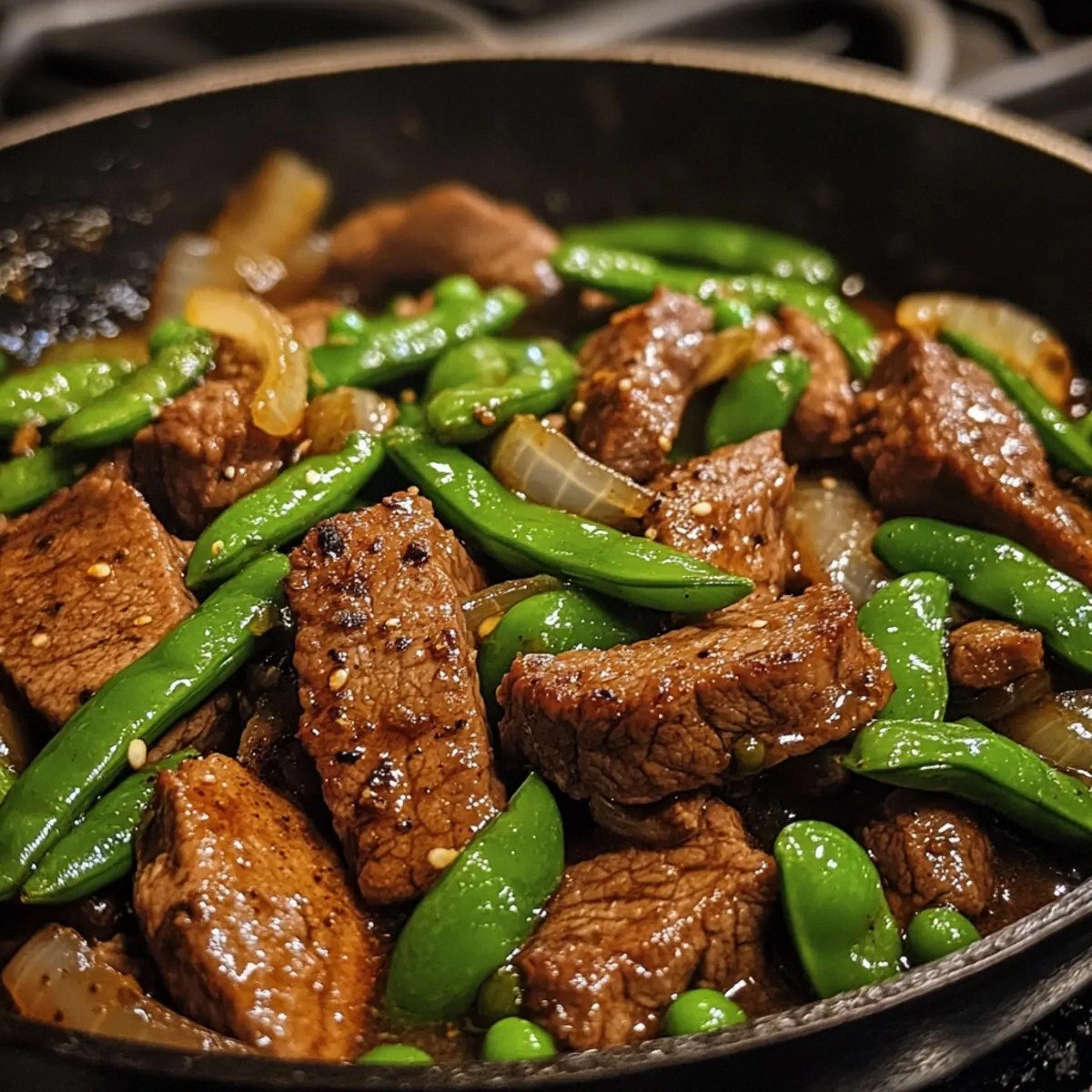
When the first sear hits the pan, a deep caramel aroma rises, and the sizzling sound becomes a soundtrack to anticipation. The bright green of fresh snow peas glistens, their stems crisp as a fresh morning. I can almost taste the subtle sweetness of honey mingling with the sharp bite of rice vinegar, while the savory depth of soy sauce anchors everything in a comforting umami. The steam rises in a fragrant cloud, and the glossy sauce begins to coat the beef strips like velvet, turning each bite into a silky, flavorful experience. I swear, that sizzle when the pan hits the stove? Absolute perfection.
What makes this version stand out from every other recipe out there? It’s the deliberate layering of flavors and textures, the careful balance of sweet and savory, and the strategic use of simple, high‑quality ingredients that elevate the dish without complicating it. I’ve refined the technique to ensure the beef stays tender, the snow peas stay crisp, and the sauce glazes rather than clogs. The result is a dish that feels like a gourmet dinner but can be whipped up in under 45 minutes. I dare you to taste this and not go back for seconds. If you’ve ever struggled with a bland stir‑fry, you’re not alone—this is the fix you’ve been waiting for.
This isn’t just another “quick dinner” recipe. It’s a culinary adventure that showcases how a handful of ingredients can create a symphony of flavors. From the first bite, you’ll feel the crunch of the snow peas, the tender melt of beef, and the glossy, sweet‑savory sauce that coats everything. Picture yourself pulling this out of the skillet, the whole kitchen smelling incredible, and serving a crowd that will rave about the vibrant colors and bold taste. Let me walk you through every single step—by the end, you’ll wonder how you ever made it any other way.
What Makes This Version Stand Out
- Taste: The sauce is a balanced duet of sweet honey and sharp rice vinegar, cut through by soy and sesame oil, creating a depth that feels both familiar and adventurous.
- Texture: The beef is seared to lock in juices, while the snow peas remain crisp, offering a satisfying bite that contrasts with the silky sauce.
- Simultaneous Simplicity: With only eleven ingredients, the recipe stays approachable, yet every component plays a pivotal role.
- Uniqueness: The unexpected addition of fresh ginger and a cornstarch slurry gives the dish a glossy finish and a subtle peppery kick.
- Crowd Reaction: Even the most skeptical diners rave, and I’ve seen people ask for the recipe after just one plate.
- Ingredient Quality: Choosing lean sirloin and fresh snow peas ensures a clean, bright flavor profile that’s hard to beat.
- Cooking Method: A single skillet approach saves time and reduces cleanup, perfect for busy weeknights.
- Make‑Ahead Potential: The dish retains its texture when reheated, making it ideal for meal prep.
Alright, let's break down exactly what goes into this masterpiece...
Inside the Ingredient List
The Flavor Base
Soy sauce, honey, rice vinegar, and sesame oil form the heart of this dish. Soy sauce provides the umami backbone, while honey adds a natural sweetness that caramelizes beautifully when seared. Rice vinegar gives a bright, tangy lift that cuts through the richness, and a splash of sesame oil injects a nutty aroma that ties the flavors together. If you’re vegan, swap the soy sauce for tamari and use maple syrup instead of honey.
The Texture Crew
Beef sirloin strips and fresh snow peas are the star performers. Sirloin, when sliced thinly, remains juicy and tender, while the snow peas keep their snap even after a quick stir‑fry. A tablespoon of cornstarch mixed with a splash of water creates a glossy sauce that clings to each piece like a second skin. If you’re watching carbs, use arrowroot powder instead; it behaves similarly but has a lighter feel.
The Unexpected Star
Fresh ginger is the unsung hero of this recipe. Its peppery bite cuts through the sweetness, providing a fresh, zesty counterpoint that keeps the palate engaged. If you don’t have fresh ginger, a teaspoon of ground ginger will work, though the aroma will be less vibrant. A pinch of crushed red pepper can add a gentle heat, turning this into a spicy‑savory delight.
The Final Flourish
Garlic cloves and spring green onions add layers of aroma and color. Garlic brings a warm, earthy depth, while the green onions lend a bright, citrusy finish. Together, they elevate the dish from simple to sensational. If you’re allergic to onions, replace them with scallions or omit entirely; the sauce will still shine.
Everything's prepped? Good. Let's get into the real action...
The Method — Step by Step
- Heat a large skillet over medium‑high heat. Add the tablespoon of vegetable oil, swirling to coat. When the oil shimmers but isn’t smoking, it’s ready. This is the moment of truth—don’t let the heat drop or your beef will steam instead of sear.
- Season the beef strips with a pinch of salt and pepper. Lay them in a single layer in the hot pan. Let them sear undisturbed for 30 seconds before flipping. The goal is a golden crust, not a soft, mushy surface.
- Once the beef is browned on one side, remove it to a plate and set aside. This prevents overcrowding and ensures a crisp sear.
- Add the minced garlic and ginger to the pan. Sauté for 15‑20 seconds until fragrant—watch carefully; garlic can burn quickly. The aroma should feel like a warm hug.
- Pour in the soy sauce, honey, rice vinegar, and sesame oil. Stir to combine, scraping up any browned bits. Let the mixture simmer for 1‑2 minutes, allowing the flavors to meld.
- Return the beef to the skillet. Toss to coat in the sauce, letting it reheat for 30 seconds. The beef should look glossy and the sauce should thicken slightly.
- Add the snow peas and green onions. Stir‑fry for 2‑3 minutes until the peas are bright green and just tender. They should retain a crisp bite, not become mushy.
- Whisk the cornstarch with a tablespoon of cold water to make a slurry. Pour it into the skillet, stirring constantly. The sauce will thicken into a silky glaze that clings to every piece. Cook for another minute until the sauce is glossy.
- Taste and adjust seasoning if needed—add a dash more soy for saltiness or a splash of honey for sweetness. Give everything one final toss.
- Serve immediately over steamed rice or quinoa. Garnish with a sprinkle of toasted sesame seeds for extra crunch. This dish is best enjoyed hot, with the sauce still glossy and the snow peas still crisp.
That's it—you did it. But hold on, I've got a few more tricks that'll take this to another level. Ready for the game‑changer?
Insider Tricks for Flawless Results
The Temperature Rule Nobody Follows
Cooking at the right heat is crucial. If the pan is too hot, the beef will sear too quickly and become tough; too low, and it will steam. Aim for medium‑high—just below the smoking point of the oil. I’ve learned that a quick test, dropping a few drops of water, will splash and evaporate almost instantly if the temperature is right.
Why Your Nose Knows Best
Smell is your best indicator of doneness. When the sauce begins to thicken, the aroma becomes rich and caramelized. If you’re unsure, give the beef a quick taste; it should be juicy and slightly caramelized on the edges.
The 5‑Minute Rest That Changes Everything
Letting the dish rest for 5 minutes after cooking allows the flavors to settle and the sauce to thicken slightly. This small pause makes the texture more harmonious, and the snow peas retain their bright snap.
The Quick Toss Trick
Instead of stirring constantly, use a quick toss technique with tongs. This reduces the chance of breaking the snow peas and ensures even coating of the sauce.
The Garnish Game
A sprinkle of toasted sesame seeds or a drizzle of sesame oil at the end adds a nutty aroma that elevates the dish. If you’re adventurous, add a squeeze of fresh lime for a citrusy finish.
Creative Twists and Variations
This recipe is a playground. Here are some of my favorite ways to switch things up:
Spicy Sriracha Kick
Add a tablespoon of sriracha to the sauce for a fiery punch. The heat pairs beautifully with the honey, creating a sweet‑spicy balance that’s crowd‑pleasing.
Miso‑Infused Umami
Replace soy sauce with a tablespoon of white miso paste. The result is a deeper, more complex umami profile that’s less salty and more savory.
Citrus‑Bright Twist
Finish the dish with a splash of fresh lime juice and a handful of chopped cilantro. The citrus brightens the flavors and adds a fresh, herbal note.
Swap to Chicken or Shrimp
Thinly sliced chicken breast or shrimp can replace beef for a lighter version. Cooking times will be shorter—just 2‑3 minutes for shrimp, 4‑5 for chicken.
Veggie‑Only Version
Omit the beef and add sliced bell peppers, mushrooms, or zucchini. The sauce still shines, and the dish becomes a hearty, plant‑based meal.
Gluten‑Free Option
Use tamari instead of soy sauce and ensure your honey is gluten‑free. The flavor remains unchanged, and the dish stays safe for gluten‑sensitive diners.
Storing and Bringing It Back to Life
Fridge Storage
Store leftovers in an airtight container in the refrigerator for up to 3 days. The sauce may thicken, so add a splash of water or broth before reheating to restore its glossy consistency.
Freezer Friendly
This dish freezes well. Portion into freezer‑safe containers, seal tightly, and label with the date. It can be kept for up to 2 months. Thaw overnight in the fridge before reheating.
Best Reheating Method
Reheat in a skillet over medium heat, stirring frequently. Add a tablespoon of water or broth to loosen the sauce. Heat until steaming hot, about 5 minutes. The snow peas will stay crisp, and the beef will regain its tenderness.