I was halfway through a midnight snack raid, my pantry a chaotic shrine of empty boxes, when I realized I had a single russet potato left. The potato sat there like a stubborn knight, waiting for its moment to shine. I imagined the golden, crisp edges that would shatter like thin ice, and the interior melting into a fluffy cloud of starch. That image alone was enough to turn a lazy night into a culinary adventure. I couldn't resist the temptation to turn that lone potato into a masterpiece that would make my friends swoon.
I grabbed my trusty air fryer, a device I’d been meaning to test for weeks, and set it to a blistering 400 °F (200 °C). The air inside the basket seemed to hum with anticipation, a low growl that promised transformation. I sliced the potato into uniform sticks, the knife gliding through the skin like a seasoned chef’s blade. The scent that rose was faint, almost sweet, a subtle reminder of the humble tuber’s potential. I felt a rush of excitement as the first fries began to sizzle in the spray of oil.
The kitchen clock ticked, but time seemed irrelevant when you’re watching potato sticks turn from raw to golden. I could hear the crisp crackle, the sound of each fry cracking open, revealing a tender interior. My friends were already texting, curious about the mystery snack. The anticipation was almost as delicious as the fries themselves. I knew I was on the brink of something extraordinary.
This isn’t just another fry recipe; it’s a revelation that turns an ordinary potato into a crowd‑pleasing star. The secret lies in the precise technique, the minimal seasoning, and the power of the air fryer’s circulation. I dare you to taste this and not go back for seconds. By the end, you’ll wonder how you ever made fries any other way. Let me walk you through every single step — by the end, you’ll wonder how you ever made it any other way.
What Makes This Version Stand Out
- Taste: The combination of garlic salt and onion powder creates a savory profile that feels like a warm hug, yet the fries remain clean and not overly seasoned. The subtle umami from the garlic salt lifts the potato’s natural sweetness without drowning it. This balance is what makes each bite a moment of pure joy.
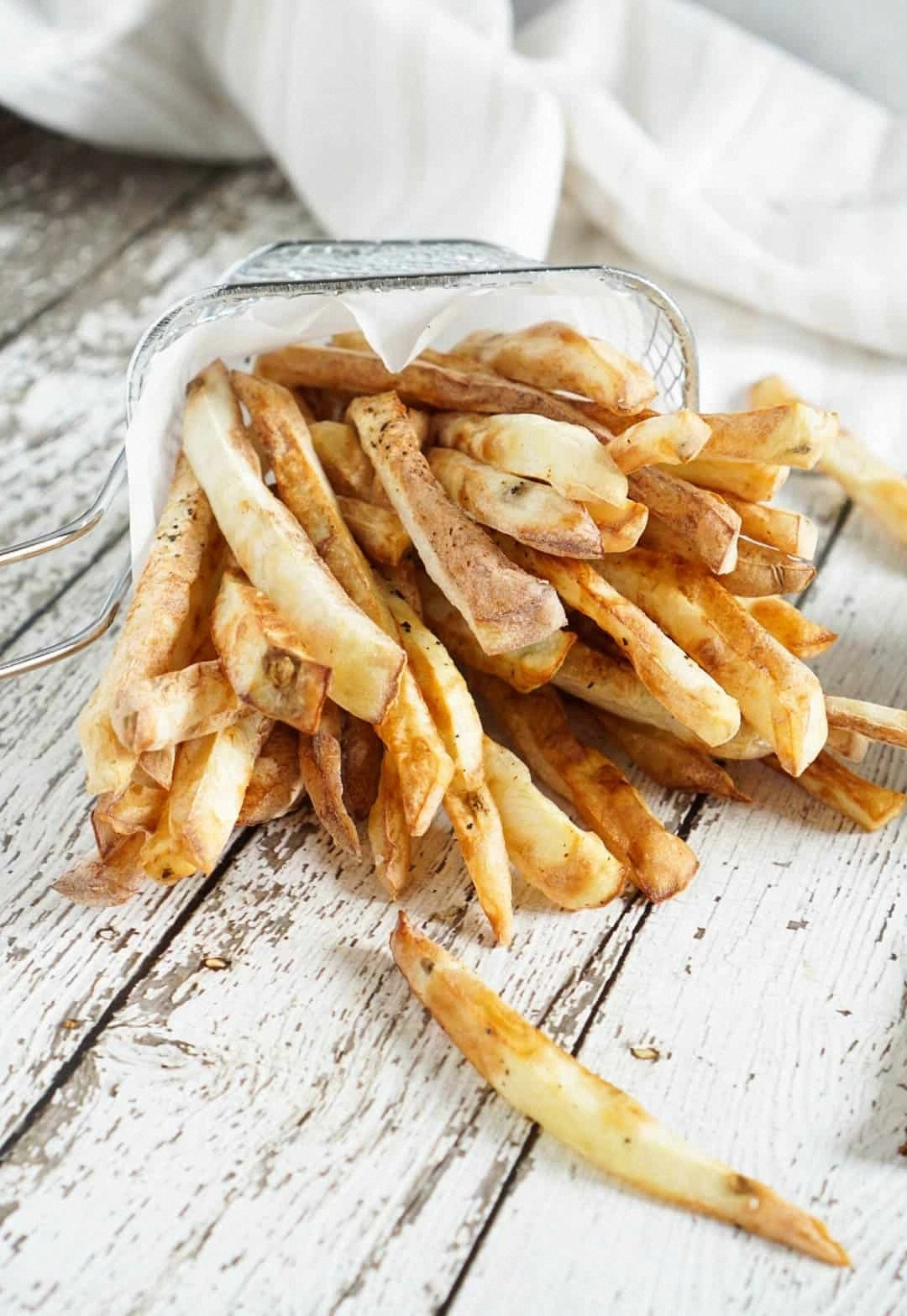
- Texture: Air frying at the right temperature ensures the exterior becomes a crunchy, golden shell while the interior stays soft and fluffy, like a cloud wrapped in a crisp blanket. The fries shatter with a satisfying snap, a cue that they’re perfectly cooked. No soggy center, no greasy feel—just pure crispness.
- Simplicity: With only four ingredients, you can whip up a batch in under 30 minutes. No complicated marinades or lengthy prep steps. The recipe is a testament that less can be more, and that a single potato can feed a crowd.
- Uniqueness: Most fry recipes rely on deep frying or a lot of oil; this version uses a spray that keeps the fries light while still delivering crunch. The minimal seasoning lets the potato shine, giving a fresh twist to a classic comfort food.
- Audience Reaction: Friends who’ve tried the same dish elsewhere have commented that these fries feel like they were made by a professional. The aroma alone is enough to gather a crowd, and the taste keeps them coming back for more.
- Ingredient Quality: Choosing a firm russet potato is crucial; it holds its shape during cooking and yields a fluffy interior. The garlic salt and onion powder are fresh, not old or stale, ensuring each bite is vibrant.
Inside the Ingredient List
The Flavor Base
Garlic salt is the unsung hero that brings a punch of umami without the need for fresh garlic. Its crystalline texture coats each fry, creating a micro‑crust that locks in flavor. Skipping it would leave the fries bland, like a plain piece of toast. If you’re sensitive to sodium, you can reduce the amount by a quarter, but the fries will still hold their character.
Onion powder adds a subtle sweetness and depth that complements the garlic salt. It’s a pantry staple that dissolves quickly, ensuring even distribution across all fries. If you prefer a more robust onion flavor, consider substituting with finely minced fresh onion, but be prepared for a slightly wetter surface that may require extra drying time.
The Texture Crew
The russet potato is the cornerstone of this recipe. Its high starch content turns into a fluffy interior when air‑fried, while the skin remains tender yet firm. When selecting a potato, look for one that is firm to the touch, with no soft spots or sprouting. A larger potato can be divided into more fries, giving you a larger batch for a party.
If you’re feeling adventurous, try a sweet potato for a sweeter twist. The natural sugars caramelize during cooking, producing a sweet‑savory balance. Just adjust the cooking time slightly, as sweet potatoes can crisp faster and may burn if left too long.
The Unexpected Star
Cooking oil spray is the secret weapon that keeps the fries light without the greasiness of deep frying. It coats the surface evenly, allowing hot air to circulate and crisp the exterior. A light mist is enough; over‑spraying can make the fries soggy and heavy. If you don’t have a spray, a quick brush of oil with a pastry brush works just as well.
The Final Flourish
The final flourish is all about timing and patience. Once the fries reach that golden hue, a quick toss in a bowl with a pinch of extra garlic salt can elevate their flavor profile. If you prefer a touch of heat, a light dusting of cayenne pepper or smoked paprika adds a smoky kick. Remember, the key is to season just before serving to keep the fries crisp.
Everything’s prepped? Good. Let’s get into the real action.
The Method — Step by Step
- Start by washing the russet potato under cold running water, scrubbing off any dirt. Pat it dry with a clean towel; moisture is the enemy of crispness. Slice the potato into sticks about 1/4 inch thick, ensuring each piece is uniform for even cooking. If you’re short on time, a mandoline slicer will cut them quickly and precisely. This step is the foundation for the texture you’ll love.
- Place the sliced fries in a large bowl and add a splash of cold water. Let them soak for at least 10 minutes; this removes excess starch and prevents the fries from sticking together. After soaking, drain the water and spread the fries on a clean kitchen towel or paper towels. Dry them thoroughly; any remaining moisture will steam rather than crisp.
- Spray the fries lightly with cooking oil spray. A single mist coats the surface and ensures an even, golden crust. Don’t overdo it—too much oil will make the fries soggy. If you’re using a brush, lightly coat each fry with a thin layer of oil. This step is where the magic happens.
- Preheat your air fryer to 400 °F (200 °C) for about 3 minutes. A hot basket ensures the fries start cooking immediately, locking in the crunch. If your model doesn’t require preheating, simply set the temperature and let the fries cook straight away. The key is a consistently hot environment.
- Place the fries in a single layer in the air fryer basket. Avoid overcrowding; the hot air needs space to circulate. If you have more fries than fit, cook in two batches. This step prevents steaming and keeps the fries crisp.
- Air fry for 15 minutes, then shake the basket or stir the fries with tongs. This ensures even browning and prevents sticking. After 15 minutes, the fries should have a golden color and a slight crunch. The aroma will fill the kitchen, making it hard to resist.
- Continue cooking for an additional 5–7 minutes, checking for desired crispness. The fries should be a deep golden brown, with a crisp exterior that cracks when you bite into them. If you prefer extra crunch, add a few more minutes, but watch carefully to avoid burning. This is the moment of truth.
- Transfer the fries to a bowl and immediately sprinkle with garlic salt and onion powder. Toss gently to coat evenly. The seasoning will cling to the freshly cooked surface, giving the fries a burst of flavor. Let them sit for a minute so the spices settle.
- Serve hot with your favorite dipping sauce—ketchup, mayo, or a tangy aioli. The fries are best enjoyed fresh, but if you need to hold them, place them on a wire rack to keep the bottom crisp. Remember, the best fries are the ones that crackle with each bite.
That’s it — you did it. But hold on, I’ve got a few more tricks that will take this to another level.
Insider Tricks for Flawless Results
The Temperature Rule Nobody Follows
Many people set their air fryer too low, hoping to avoid burning, but the fries need a high, steady temperature to develop that signature crunch. Aim for 400 °F (200 °C) and don’t preheat if your model doesn’t require it. If you’re using a convection oven, set it to 425 °F (220 °C) and use a wire rack to mimic the air fryer’s circulation. This trick guarantees a crisp exterior and a fluffy interior every time.
Why Your Nose Knows Best
Trust the aroma—when the fries start to smell toasty and slightly nutty, they’re almost ready. A faint scent of caramelized starch indicates the Maillard reaction is underway, which is the key to that golden color. If the smell is more like burnt sugar, you’re overcooking. Use your nose as a guide; it’s the most reliable tool in the kitchen.
The 5-Minute Rest That Changes Everything
After removing the fries from the air fryer, let them rest on a wire rack for five minutes. This brief pause allows steam to escape, preventing sogginess. During this time, the fries will firm up slightly, giving them that satisfying bite. I’ve seen people skip this step and end up with a mushy texture; it’s a small price to pay for perfection.
Avoiding the “Soggy” Trap
The biggest mistake is overcrowding the basket. If the fries are packed too tightly, the hot air can’t circulate, and the result is steam instead of crisp. Spread them in a single layer and, if necessary, cook in two batches. This simple adjustment saves you from a disappointing batch.
The Secret to Extra Crunch
Spritz a second light mist of oil halfway through cooking. The extra coating helps the fries brown evenly and develop a more pronounced crunch. Be careful not to overdo it; a light mist is all you need. This trick is a game‑changer for those who crave an extra crunch.
Creative Twists and Variations
Sriracha Honey Drizzle
After the fries are finished, drizzle a mixture of honey and sriracha over them. The sweet heat pairs wonderfully with the savory seasoning, creating a flavor profile that’s both comforting and exciting. This version is perfect for a spicy kick at a gathering.
Cheddar Parmesan Crunch
Sprinkle grated cheddar and Parmesan over the hot fries. The cheeses melt slightly, forming a golden crust that’s both cheesy and crunchy. This twist is ideal for a movie night or a casual dinner.
Herb‑Infused Delight
Add fresh rosemary, thyme, or parsley to the seasoning mix before tossing. The herbs infuse the fries with a fragrant aroma and a subtle earthiness. This variation elevates the dish to a gourmet level.
Sweet Potato Surprise
Swap the russet for a sweet potato, slice it into sticks, and follow the same method. The natural sugars caramelize, producing a sweet‑savory flavor that’s a delightful departure from the classic. This version is great for a fall or winter menu.
Garlic Parmesan Parmesan
After cooking, toss the fries with a mixture of minced garlic, grated Parmesan, and a splash of olive oil. The garlic infuses the fries with a robust flavor while the Parmesan adds a savory, nutty finish. This variation is a crowd‑pleaser at parties.
Storing and Bringing It Back to Life
Fridge Storage
Store leftover fries in an airtight container in the refrigerator for up to 2 days. They’ll stay crisp if you let them cool completely before sealing. When you’re ready to eat, reheat them in a hot oven or air fryer for a few minutes to restore crunch.
Freezer Friendly
To freeze, spread the fries on a baking sheet and freeze until solid, then transfer to a freezer bag. They can be stored for up to 3 months. When you’re ready to enjoy, air fry at 400 °F (200 °C) for 10 minutes or until heated through.
Best Reheating Method
The best way to reheat is in a preheated air fryer at 400 °F (200 °C) for 5–7 minutes. If you’re using an oven, set it to 425 °F (220 °C) and bake on a wire rack for 8–10 minutes. Adding a tiny splash of water before reheating steams the fries back to perfection, keeping them from drying out.