Picture this: it’s a rainy Thursday, the kind that makes you want to stay in bed, but the fridge is a barren wasteland of leftovers. I tried to salvage what was left of a chicken breast and a handful of orzo, tossed them together, and the result was a soggy, flavorless mess that made me curse the kitchen. That night, I vowed to turn that culinary catastrophe into a triumph. If you’re anything like me, you’ve probably stared at a pot of overcooked pasta and wondered if there’s a way to rescue it. I’m here to tell you that there is, and it starts with a single, secret ingredient that turns a bland bowl into a silky, buttery masterpiece.
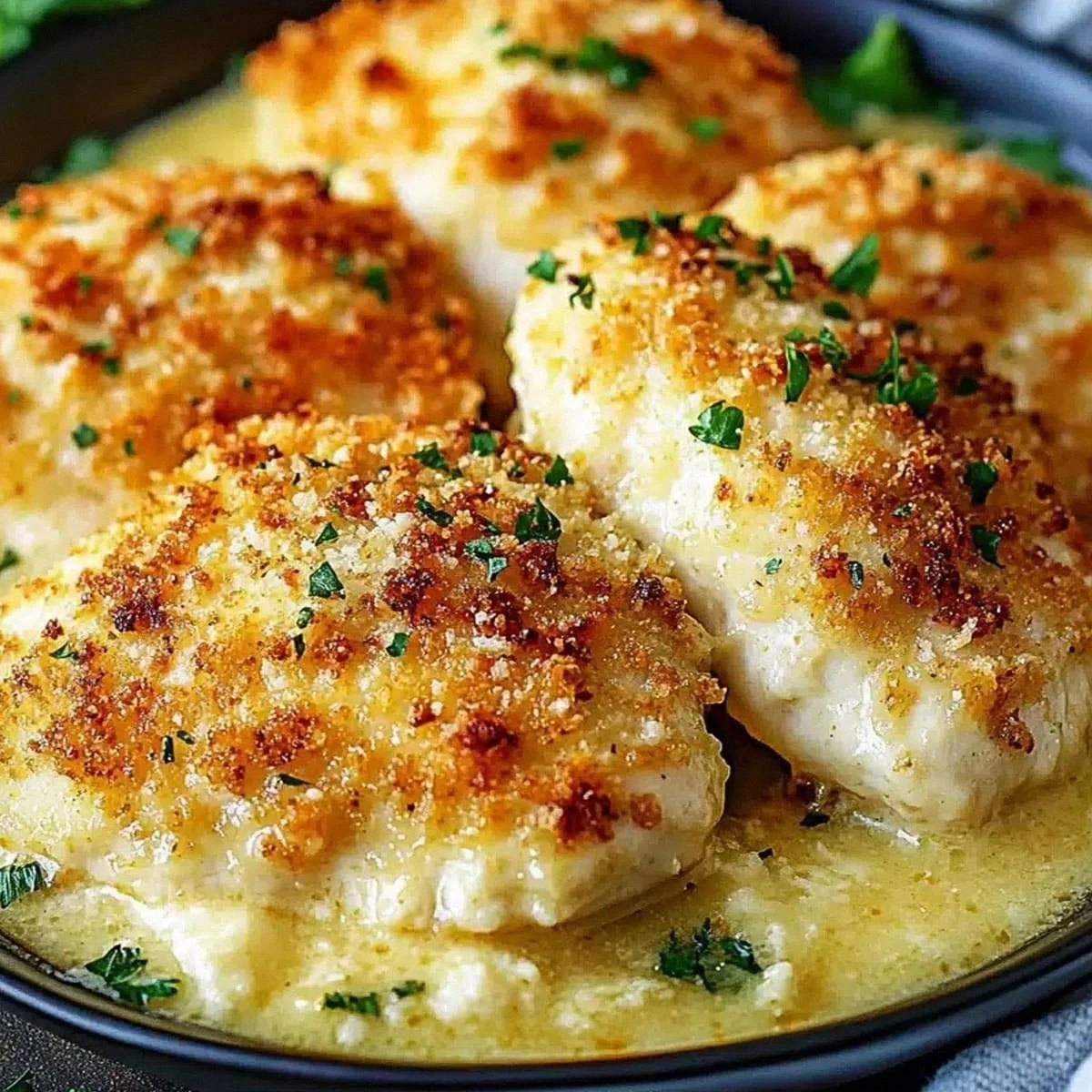
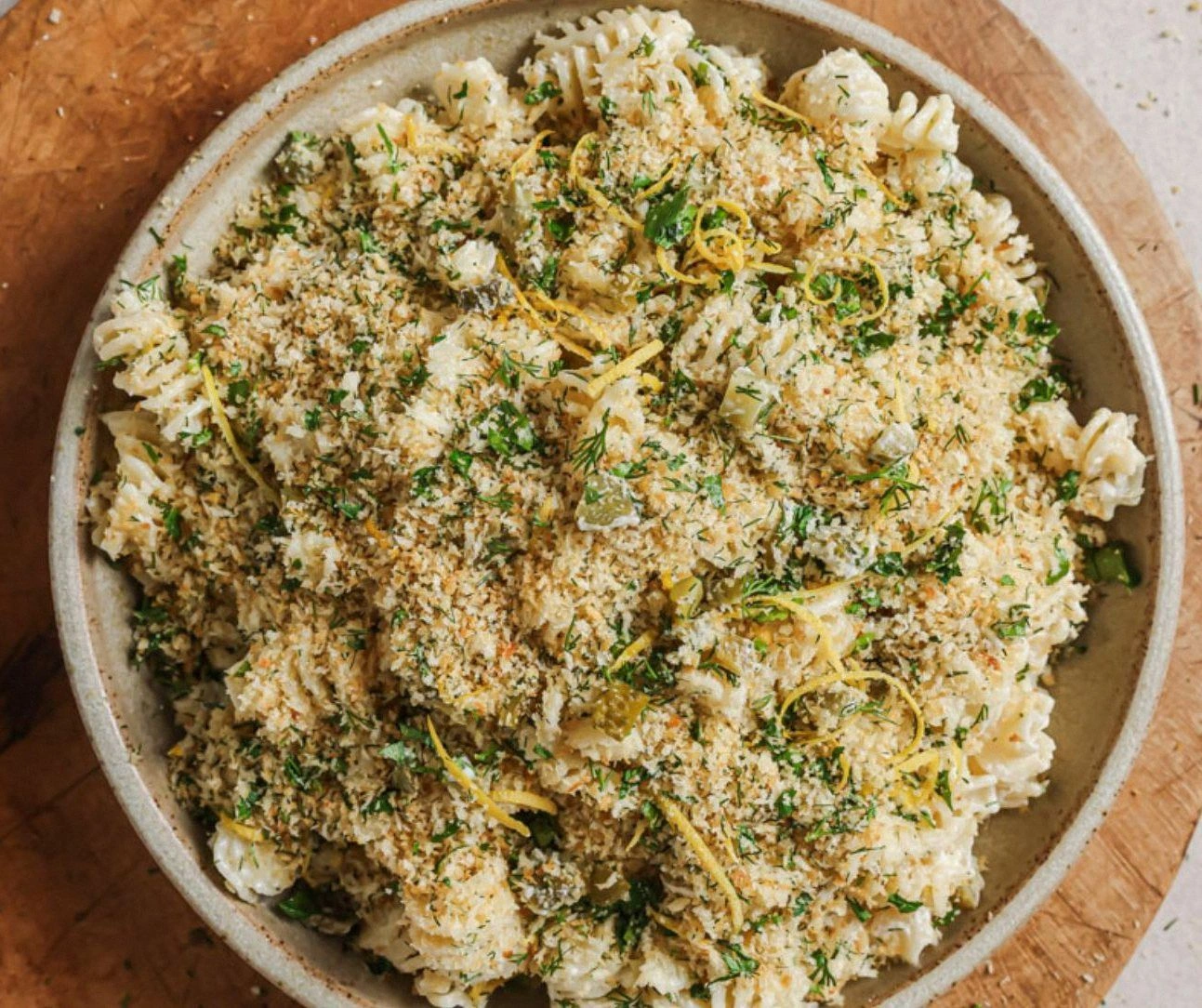
This isn’t just another pasta recipe; it’s a revelation. The sauce in this dish coats the orzo like velvet, each grain hugging the creamy broth until it’s practically begging for a second bite. The chicken, when cooked just right, stays tender and juicy, with a golden crust that adds a delightful crunch. The combination of fresh herbs, a splash of lemon, and a touch of nutty parmesan creates a flavor profile that feels both comforting and sophisticated. Every bite is a reminder that good food can be both simple and indulgent.
What sets this version apart is the technique I use to create that silky sauce without the heavy, clumpy texture that plagues most recipes. I’ll show you how to deglaze the pan with a splash of white wine, how to fold in cream at the right moment, and how to finish the dish with a dash of lemon zest that lifts the entire flavor profile. This is not just about cooking; it’s about mastering a method that ensures every spoonful is smooth, rich, and utterly addictive. Trust me, once you’ve tasted this, I dare you to go back to any other creamy orzo you’ve ever made.
Let me walk you through every single step — by the end, you’ll wonder how you ever made it any other way. I’ll keep the instructions clear, peppered with personal anecdotes, and sprinkle in a few kitchen hacks that will save you time and frustration. Ready to transform your weeknight dinner into a showstopper? Let’s dive in.
What Makes This Version Stand Out
- Flavor Depth: The combination of sautéed aromatics, deglazed wine, and a velvety cream base delivers layers of taste that dance on the palate.
- Texture Perfection: The orzo is cooked al dente, ensuring each bite has that satisfying chew without being mushy.
- Ease of Prep: All the steps fit into a single pan, so cleanup is minimal and the process feels streamlined.
- Protein Boost: Juicy chicken breast adds a hearty element that makes the dish filling without being heavy.
- Freshness Factor: A splash of lemon and a handful of parsley brighten the dish, preventing it from feeling dull.
- Make‑Ahead Friendly: The sauce can be prepared ahead of time and reheated without losing its silky quality.
- Versatility: Swap in shrimp, mushrooms, or spinach for a different twist that still works with the base recipe.
- Time Saver: The entire dish comes together in under 45 minutes, perfect for busy weekdays.
Alright, let’s break down exactly what goes into this masterpiece...
Inside the Ingredient List
The Flavor Base
The foundation of any great dish lies in its aromatics. I start with diced onion and minced garlic sautéed in olive oil until they’re translucent and fragrant. The onion releases a subtle sweetness that balances the savory chicken, while the garlic adds a punch of depth. If you’re a fan of a more robust flavor, consider adding a pinch of red pepper flakes; just remember to adjust the salt accordingly.
Next comes the deglazing step. Once the aromatics have softened, I pour in a splash of dry white wine to lift the browned bits off the pan. Those bits are packed with flavor, and the wine’s acidity cuts through the richness of the cream later on. If wine isn’t your thing, a little chicken broth will do, but the wine adds a refined finish that elevates the dish.
The Texture Crew
Orzo, a small pasta shaped like grains of rice, is the star of the show. I cook it in salted water until it’s al dente, then drain it and set it aside. The key is to avoid overcooking; orzo that’s too soft will break apart and ruin the silky sauce. I recommend cooking it a minute or two less than the package instructions to ensure it holds its shape.
The chicken is a critical component of texture. I slice boneless, skinless breasts into bite‑sized pieces and season them with salt, pepper, and a touch of dried oregano. Sautéing the chicken until it’s golden on the outside and pink on the inside locks in juices, giving the dish a satisfying bite. If you prefer a different protein, shrimp or sausage can be used, but the cooking time will vary.
The Unexpected Star
Heavy cream is what turns this dish into a velvety dream. I add it after deglazing, letting it reduce slightly before tossing in the orzo. The cream coats each grain, creating a rich, glossy sauce that clings to the pasta. For a lighter version, you can substitute half‑and‑half or a dairy‑free alternative, but the texture will change.
Parmesan cheese is the finishing touch that brings everything together. Grated, it melts into the sauce, adding nutty richness and a slight umami boost. A good rule of thumb is to use about ¾ cup of grated cheese for four servings. If you’re vegan, nutritional yeast can provide a similar cheesy flavor.
The Final Flourish
Lemon zest adds a bright, citrusy note that cuts through the creaminess, preventing the dish from feeling heavy. I grate the zest of one lemon and stir it in at the end, just before serving. Fresh parsley adds a pop of color and a hint of earthiness, making the plate look as good as it tastes.
Everything’s prepped? Good. Let’s get into the real action...
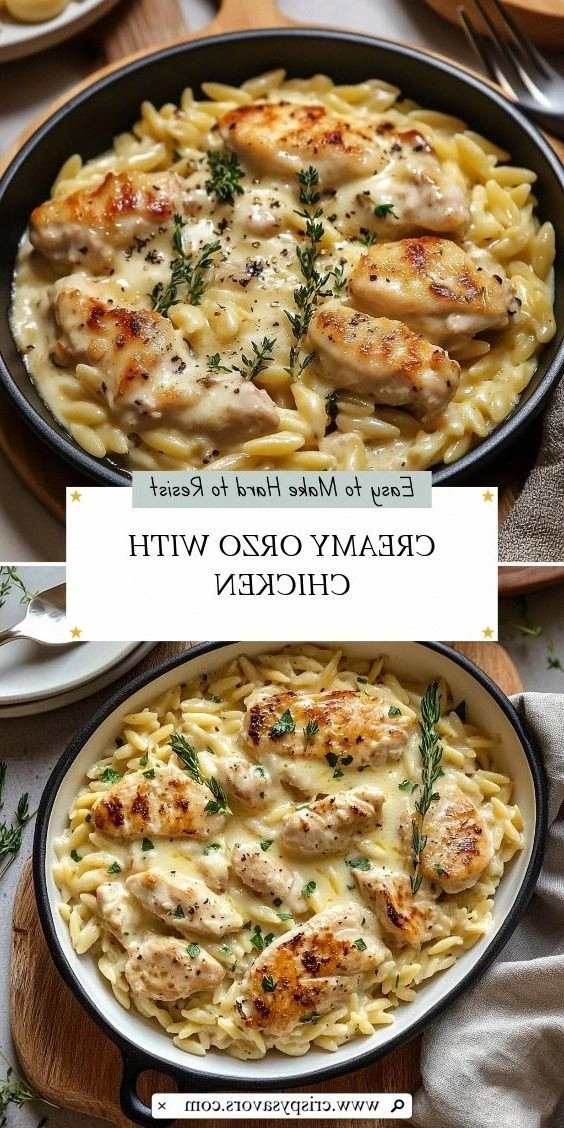
The Method — Step by Step
- Heat a large, heavy‑bottomed skillet over medium heat. Add 2 tablespoons of olive oil, then let it shimmer for a few seconds before tossing in 1 diced onion. Sauté until the onion is translucent, about 3–4 minutes, and the aroma fills the kitchen.
- Add 3 minced garlic cloves to the pan. Cook for an additional 30 seconds until fragrant, but be careful not to burn the garlic— it’s the difference between a subtle hint and a bitter bite.
- Pour in ½ cup of dry white wine, allowing it to reduce by half. The liquid should thicken slightly, pulling up the caramelized bits from the bottom of the pan. This step is pure flavor extraction.
- Add 1 pound of diced chicken breast, seasoned with 1 teaspoon each of salt, pepper, and dried oregano. Sear the chicken until it’s golden on all sides and no longer pink inside, about 5–6 minutes. This locks in juices and builds a savory base.
- Pour in 1 cup of chicken broth, bring to a gentle simmer, and let it reduce for 3 minutes. The broth adds moisture but also concentrates the flavors, creating a richer sauce.
- Stir in 1 cup of heavy cream and let it simmer for 2 minutes until slightly thickened. The cream should coat the back of a spoon, signaling that it’s ready to embrace the orzo.
- Fold in 2 cups of cooked orzo, tossing gently so each grain is coated with the sauce. Cook for an additional 2 minutes, allowing the orzo to absorb some of the sauce while staying al dente.
- Stir in ¾ cup of grated parmesan cheese until it melts into a silky glaze. Add the zest of one lemon, and finish with a handful of chopped fresh parsley. Taste and adjust seasoning, adding more salt or pepper if needed.
That’s it — you did it. But hold on, I've got a few more tricks that'll take this to another level. Trust me, the little details make the difference between a good dish and a memorable one.
Insider Tricks for Flawless Results
The Temperature Rule Nobody Follows
Many cooks keep the heat too high, causing the sauce to scorch. I recommend keeping the skillet on medium‑low after adding the cream, allowing the sauce to thicken slowly. This ensures the cream emulsifies with the parmesan, creating a silky coat that doesn’t separate.
Why Your Nose Knows Best
If the sauce smells too “white” or flat, it’s a sign that the cream hasn’t fully incorporated. The aroma should carry hints of garlic, onion, and a subtle citrus note from the lemon zest. Trust your nose—it’s the ultimate judge of flavor.
The 5‑Minute Rest That Changes Everything
After cooking, let the dish rest for five minutes before serving. This allows the flavors to meld and the sauce to thicken slightly, giving the orzo a glossy finish. The rest period also gives the chicken a chance to re‑sear, sealing in moisture.
Keep the Pan Clean, Keep the Flavor
Avoid overcrowding the pan; if you’re cooking more than four servings, do it in batches. Overcrowding lowers the temperature and causes the orzo to steam rather than sauté, resulting in a gummy texture. A single, well‑lined pan is the secret to that perfect coating.
The Finish Line: A Splash of Freshness
Right before serving, add a drizzle of olive oil and a sprinkle of fresh lemon zest. The oil adds shine, while the zest brings brightness that lifts the entire dish. This finishing touch makes the dish feel like a gourmet creation.
Creative Twists and Variations
This recipe is a playground. Here are some of my favorite ways to switch things up:
Spinach & Mushroom Medley
Add a cup of sautéed mushrooms and a handful of fresh spinach in step 4. The earthy mushrooms and vibrant spinach add depth and a pop of color. This version is especially great for a cozy winter dinner.
Shrimp & Lemon Garlic
Swap the chicken for ½ pound of peeled shrimp, cooking them for only 2 minutes until pink. Add an extra clove of garlic for a punchy flavor. The shrimp’s sweet, briny profile pairs beautifully with the lemon zest.
Italian Sausage & Red Pepper
Replace chicken with sliced Italian sausage. After browning, add a handful of diced red bell pepper to step 5. The sausage’s smoky spice and the pepper’s sweetness create a bold, comforting dish.
Vegan Creamy Orzo
Use a plant‑based milk and coconut cream instead of heavy cream, and substitute nutritional yeast for parmesan. Add tofu cubes for protein. The result is a creamy, dairy‑free dish that still delivers on flavor.
Sun‑Dried Tomato & Basil
Stir in ¼ cup of chopped sun‑dried tomatoes and a tablespoon of chopped basil in step 6. The sun‑dried tomatoes add a sweet, tangy burst, while basil brings a fragrant herbaceous note.
Pesto Infusion
Finish the sauce with a tablespoon of pesto instead of parmesan. The basil, garlic, and pine nuts in the pesto add a vibrant green color and an extra layer of flavor. This twist is perfect for a quick, fresh take.
Storing and Bringing It Back to Life
Fridge Storage
Cool the dish to room temperature, then transfer it to an airtight container. It will keep in the refrigerator for up to 3 days. The sauce may thicken slightly, but it can be re‑softened when reheated.
Freezer Friendly
Place the cooled dish in a freezer‑safe container, leaving a few centimeters of headspace. Freeze for up to 2 months. When ready to eat, thaw overnight in the refrigerator.
Best Reheating Method
Reheat in a saucepan over low heat, adding a splash of water or chicken broth to loosen the sauce. Stir frequently to prevent sticking. Bring to a gentle simmer, then serve immediately for the best texture.