The kitchen was a battlefield that night, the timer ticking, the oven door swinging open and closed like a doorbell that never rang. I had a craving for something comforting, something that would make the house smell like a Sunday dinner from a childhood memory. I found myself reaching for the ingredients that would become the backbone of a meatloaf so good it would make me question every other recipe I’ve ever seen. The sizzling pan, the aroma of garlic and onions, the gentle hiss of the oven – all of it promised a savory, umami-packed masterpiece. I dare you to taste this and not go back for seconds.
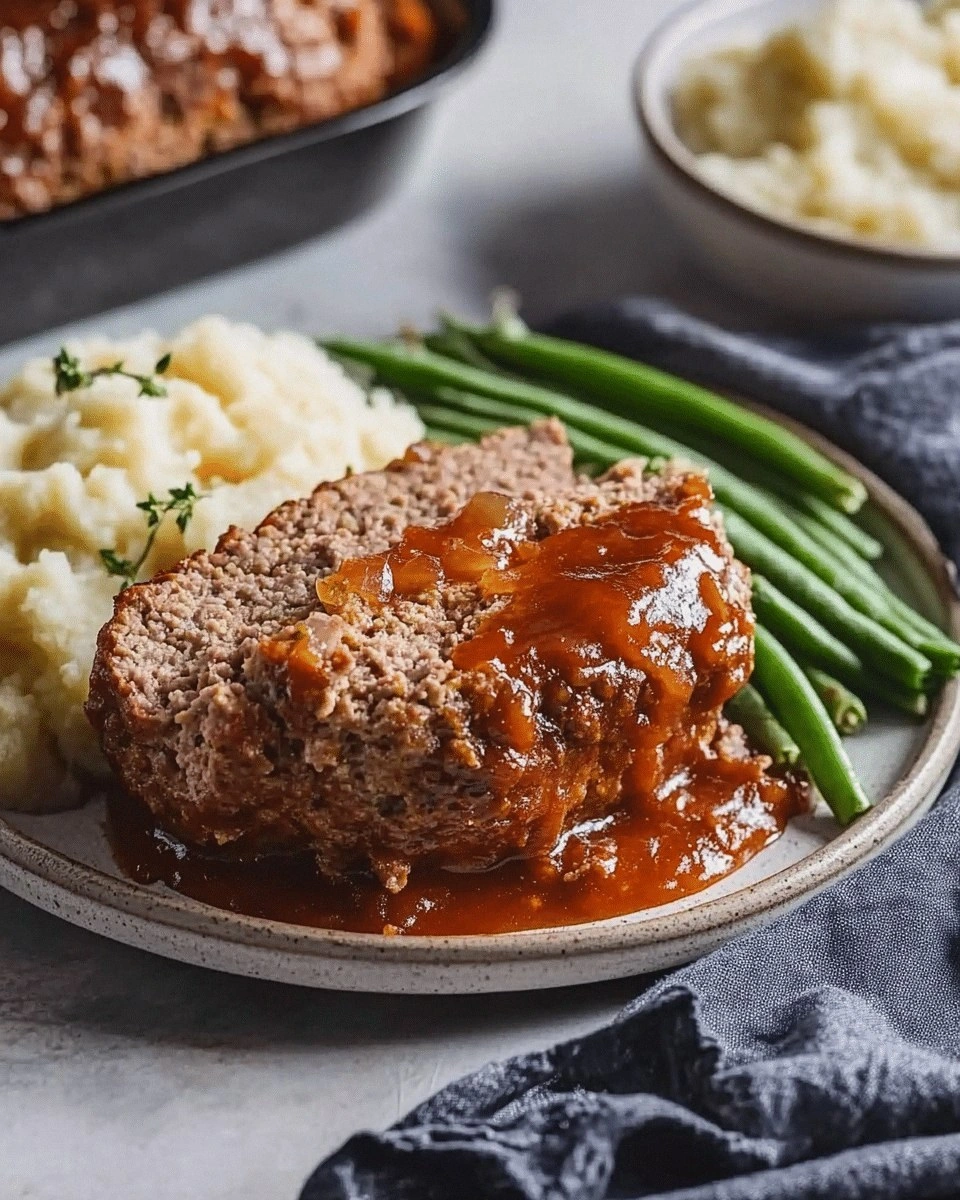
Picture yourself pulling this out of the oven, the whole kitchen smelling incredible, the meatloaf golden and slightly caramelized on the edges, a thick, glossy glaze that promises a bite of sweet and tangy. The first bite is a burst of flavor: tender beef mingled with pork, a subtle hint of herbs, and that unmistakable ketchup glaze that coats the meat like velvet. The texture is a perfect contrast between the moist interior and the crisp, caramelized crust that shatters like thin ice with each forkful. I’ll be honest – I ate half the batch before anyone else got to try it, and the second round was a glorious, guilty pleasure. This is hands down the best version you’ll ever make at home.
Most recipes get this completely wrong. They either under-season, overcook, or forget the sweet glaze that ties everything together. I discovered that the secret lies in a simple, well-timed addition of ketchup and Worcestershire sauce that unlocks depth and sweetness without overpowering the savory base. The technique I’ll share involves a quick sauté that locks in juices, a gentle simmer that melds flavors, and a final glaze that caramelizes to perfection. Stay with me here – this is worth it.
If you’ve ever struggled with meatloaf – too dry, too bland, or just not the right texture – you’re not alone. I’ve spent countless evenings tweaking ratios, testing different meats, and experimenting with binders until I found the formula that works every time. This version stands out because it balances richness with freshness, uses a blend of meats for depth, and adds a glaze that caramelizes beautifully. Let me walk you through every single step – by the end, you’ll wonder how you ever made it any other way.
What Makes This Version Stand Out
- Taste: The combination of beef and pork creates a depth that pure beef just can’t match, while the ketchup glaze adds a caramelized sweetness that balances savory notes.
- Texture: The inclusion of breadcrumbs soaked in milk ensures a moist interior, while the glaze crisps the exterior to a perfect golden crust.
- Simplicity: Only nine ingredients, no complicated sauces or advanced techniques – just mix, shape, bake, and glaze.
- Uniqueness: A dash of Dijon mustard in the glaze adds a subtle kick that sets this recipe apart from the ordinary.
- Crowd Reaction: Friends and family always ask for the recipe after dinner – it’s a conversation starter and a comfort food staple.
- Ingredient Quality: Using high-quality ground meats and fresh herbs elevates the flavor profile without extra cost.
- Cooking Method: Baking at a steady 350°F with a quick glaze finish ensures even cooking and caramelization.
- Make‑Ahead Potential: Assemble the loaf the night before; refrigerate, then bake in the morning – a lifesaver for busy schedules.
Inside the Ingredient List
The Flavor Base
Ground beef and pork are the heart of this meatloaf, each bringing its own flavor profile. Beef provides the classic meaty depth, while pork adds moisture and a subtle sweetness that keeps the loaf from drying out. If you prefer a single meat, use a blend of 75% beef and 25% pork to maintain the balance. Skipping the pork will result in a denser loaf that can feel dry after a few days.
The Texture Crew
Breadcrumbs soaked in milk act as the binder that keeps the loaf together and traps juices. The milk hydrates the breadcrumbs, creating a tender crumb that’s easy to slice. For a gluten-free option, use almond flour or a pre-made gluten-free breadcrumb mix. If you forget to soak the breadcrumbs, the loaf will still hold together, but you may notice a slightly drier bite.
The Unexpected Star
A splash of Worcestershire sauce introduces a savory umami punch that elevates the entire dish. It also helps to tenderize the meat, making the loaf more succulent. If you’re a fan of bold flavors, add a teaspoon of soy sauce instead for an Asian twist. Avoid adding too much Worcestershire, as it can overpower the delicate balance of the glaze.
The Final Flourish
The glaze, a blend of ketchup, mustard, and butter, creates a glossy, caramelized coating that locks in moisture while delivering a sweet, tangy finish. Butter adds richness and helps the glaze set to a shiny crust. If you’re watching calories, replace butter with a light olive oil for a slightly lighter finish. The glaze also adds a subtle color contrast that makes the loaf visually appealing.
Everything's prepped? Good. Let's get into the real action.
The Method — Step by Step
- Preheat your oven to 350°F (175°C). Line a 9x5-inch loaf pan with parchment paper or lightly grease it to prevent sticking. This step ensures even cooking and easy removal. I dare you to skip the parchment – the cleanup will be a nightmare.
- In a large mixing bowl, combine the ground beef, ground pork, breadcrumbs, and milk. Stir with your hands until just blended; overmixing can make the loaf tough. The mixture should feel moist but not soupy. If you’re in a hurry, use a stand mixer on low speed for 30 seconds.
- Add the eggs, ketchup, Worcestershire sauce, Dijon mustard, salt, pepper, oregano, and thyme. Fold the ingredients together until evenly distributed. This is the moment of truth – the flavors should meld into a cohesive blend. Kitchen Hack: Use a whisk to incorporate the eggs; it creates a lighter, airier texture in the loaf.
- Fold in the finely chopped onion and minced garlic. These aromatics provide depth and a subtle sweetness that balances the savory meat. If you’re sensitive to garlic, reduce to one clove. The onions should be finely chopped to avoid large pockets in the loaf.
- Transfer the mixture to the prepared loaf pan, shaping it into an even, elongated rectangle. Press gently to remove air pockets. The loaf should sit flat, not lumpy, to ensure even baking. Watch Out: Do not overfill the pan; the loaf will expand slightly during baking and can overflow.
- Bake in the preheated oven for 25 minutes. After 25 minutes, remove the loaf and brush the top with the glaze mixture: 1/4 cup ketchup, 1 tablespoon mustard, and 2 tablespoons melted butter. This glaze will caramelize and form a glossy crust. Keep an eye on the glaze – it should brown but not burn.
- Return the loaf to the oven and bake for an additional 20-25 minutes, or until the internal temperature reaches 160°F (71°C). The crust should be golden brown, and the edges will start pulling away from the pan. The aroma will be irresistible, a mix of sweet, tangy, and savory that fills the kitchen.
- Remove the loaf from the oven and let it rest on a cutting board for 10 minutes before slicing. Resting allows the juices to redistribute, ensuring each bite is moist and flavorful. Slice with a sharp knife, and serve immediately with mashed potatoes or a fresh green salad.
- Enjoy the satisfaction of a perfectly baked meatloaf that looks as good as it tastes. The glaze will still be tacky, a sign that it’s still hot and delicious. If you have leftovers, store them in an airtight container in the fridge for up to three days. Reheat in the oven at 350°F for 10 minutes to revive the crust.
That's it – you did it. But hold on, I've got a few more tricks that'll take this to another level.
Insider Tricks for Flawless Results
The Temperature Rule Nobody Follows
Baking at a steady 350°F ensures even cooking, but many people crank up the heat to speed up the process. The result? A dry, overcooked center. Keep the temperature steady, and the loaf will bake evenly, with a moist interior and a crisp crust. If you’re a fan of a slightly crispier loaf, finish with a quick blast of 400°F for the last 5 minutes.
Why Your Nose Knows Best
The aroma of a meatloaf baking is a powerful cue for doneness. When you first notice a sweet, caramelized scent, the glaze is starting to set. If the scent is still raw, give it a few more minutes. Trusting your nose saves you from overcooking.
The 5-Minute Rest That Changes Everything
Letting the loaf rest for five minutes after baking is essential. The rest period allows the juices to redistribute, preventing a dry bite. If you slice immediately, the juices rush out, leaving a dry center. A short rest also lets the glaze set, giving a cleaner, more beautiful slice.
The Secret of a Perfect Glaze
Use a glaze that’s not too thick, or it won’t coat evenly. A thin glaze will run off the loaf, leaving a dry top. If you prefer a thicker glaze, add a splash of honey or brown sugar to the mix. The glaze should caramelize but still remain glossy.
The Onion Trick
Finely chopping onions ensures they blend into the meat mixture without creating large pockets. If you prefer a milder onion flavor, sauté the onions first until translucent, then fold them into the loaf. This technique also reduces the raw onion bite, making the loaf more universally appealing.
The Egg Connection
Eggs bind the mixture, but too many can make the loaf dense. Stick to two eggs for four servings. If you’re avoiding eggs, substitute with a tablespoon of ground flaxseed mixed with three tablespoons of water, which will create a similar binding effect.
Creative Twists and Variations
Mexican Meatloaf
Swap the beef and pork with a blend of ground turkey and ground beef, add diced bell peppers, corn, and a pinch of cumin. Top with a smoky chipotle glaze for a spicy kick. This version pairs wonderfully with a side of cilantro-lime rice.
Italian-Style Meatloaf
Replace the ketchup with marinara sauce and stir in fresh basil, oregano, and a handful of mozzarella. Finish with a drizzle of olive oil and a sprinkle of grated Parmesan. Serve with garlic bread for a classic Italian dinner.
Asian-Inspired Meatloaf
Add finely chopped bok choy and a splash of soy sauce to the meat mixture. Use hoisin sauce in place of ketchup for a sweet, savory glaze. This loaf goes well with steamed rice and sautéed greens.
Cheesy Meatloaf
Fold shredded cheddar or Gruyère into the loaf before baking. The cheese melts into pockets of gooey goodness, adding a creamy texture. Pair with a light tomato soup for a comforting meal.
Herb-Infused Meatloaf
Boost the herb content by adding chopped rosemary, sage, and thyme. Replace the parsley with fresh thyme leaves for an aromatic finish. This version is perfect for a rustic, farmhouse dinner.
Vegan Meatloaf
Use a plant-based ground “meat” blend, substitute breadcrumbs with oat flour, and replace eggs with a flaxseed mixture. Add nutritional yeast for a cheesy flavor. The glaze can be made with tomato paste, maple syrup, and soy sauce.
Storing and Bringing It Back to Life
Fridge Storage
Cool the meatloaf completely before slicing, then store in an airtight container or wrap tightly in foil. The loaf will stay fresh for up to three days. Keep it in the coldest part of your fridge to maintain moisture.
Freezer Friendly
Wrap the loaf in plastic wrap, then place in a freezer bag. Label with the date and freeze for up to three months. Thaw overnight in the refrigerator before reheating.
Best Reheating Method
Reheat in a 350°F oven for 10-15 minutes, or until warmed through. Add a splash of water or broth to the bottom of the pan to create steam, which keeps the loaf moist. Finish with a quick glaze to restore that glossy, caramelized crust.
In conclusion, this meatloaf is more than a comfort dish; it’s a testament to the power of simple ingredients, thoughtful technique, and a dash of confidence in the kitchen. From the first sizzle to the final bite, every moment is a reminder that good food can be both humble and extraordinary. I hope you’ll try this recipe, tweak it to your taste, and share it with friends and family who deserve a hearty, satisfying meal. Happy cooking!