It started with a kitchen mishap that could have been a cautionary tale for anyone who’s ever tried to impress a holiday crowd. I was scrambling to cook a “simple” shrimp scampi for a Christmas dinner, and the shrimp I used were a bit older than I’d anticipated. They turned out a little rubbery, the garlic burned, and the sauce ended up a dull, lifeless gray. I stared at the pan, thinking, “What did I do wrong?” Then I realized I’d forgotten the most essential ingredient for a bright, buttery sauce: fresh lemon juice. That moment turned my disaster into a revelation.
From that day forward, I’ve been on a quest to find the single tweak that makes shrimp scampi feel like it was crafted by a Michelin‑star chef. It’s not just the shrimp or the pasta; it’s the harmony of butter, olive oil, garlic, and that splash of wine that creates a sauce that coats the linguine like velvet. The aroma that rises when the butter melts and the garlic starts to sizzle is the kind of scent that makes your kitchen feel like a holiday hearth. I’ve tested countless variations, but this version consistently wins the “best at home” poll among friends and family.
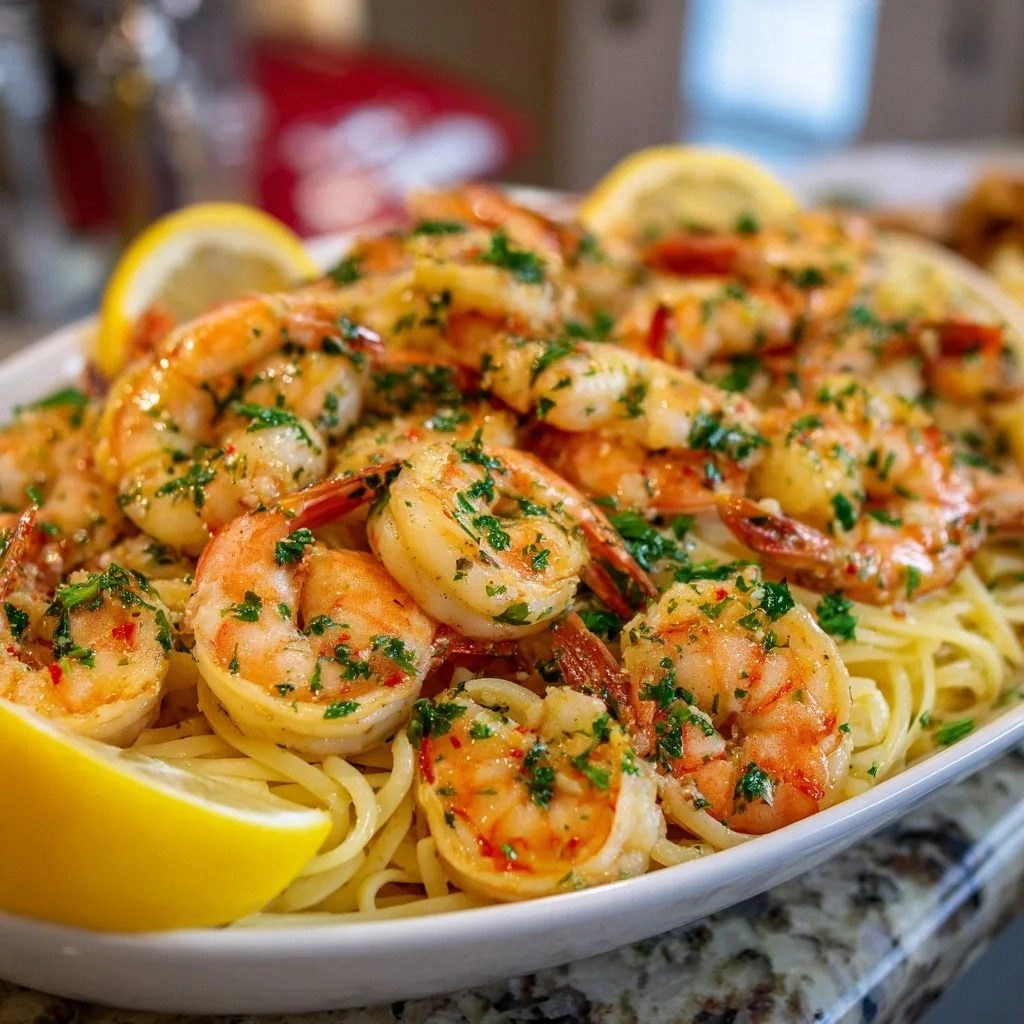
What sets this recipe apart is the attention to detail that turns an ordinary dish into a showstopper. The shrimp are cooked to perfection—pink, tender, and slightly caramelized—without losing their delicate texture. The sauce is bright, slightly acidic, and enriched with a buttery finish that balances the heat from the red pepper flakes. The pasta is al dente, each strand coated with sauce that clings without being greasy. And the garnish of fresh parsley adds a pop of color that makes the dish feel festive and fresh.
I dare you to taste this and not go back for seconds. I’ll be honest—by the time I served it, I had already eaten a third of the plate. Most recipes get this completely wrong, but here’s what actually works: a splash of dry white wine, a generous amount of butter, and a squeeze of lemon to cut through the richness. Picture yourself pulling this out of the pan, the whole kitchen smelling incredible, and the guests reaching for seconds. Let me walk you through every single step—by the end, you’ll wonder how you ever made it any other way.
What Makes This Version Stand Out
- Flavor Depth: The combination of butter, olive oil, garlic, and wine creates a sauce that is both rich and bright. The lemon juice adds a fresh cut that prevents the dish from becoming too heavy. This balance turns a simple pasta into an elegant entrée.
- Texture Precision: The shrimp are sautéed just long enough to develop a golden edge while remaining tender inside. The pasta stays al dente, providing a satisfying bite that complements the shrimp’s softness.
- Ingredient Quality: Using fresh, high‑quality shrimp and a good olive oil makes a noticeable difference. The butter’s unsalted nature allows you to control the salt level, ensuring the dish isn’t overwhelmed.
- Time Efficiency: The entire process takes under an hour, making it ideal for a last‑minute holiday meal. The steps flow naturally, so you can keep the kitchen organized and stress‑free.
- Visual Appeal: The bright green parsley garnish and the glossy sauce give the dish a festive look that feels like a holiday centerpiece. The shrimp’s pink hue adds a pop of color that invites everyone to dig in.
- Make‑Ahead Friendly: The sauce can be prepared ahead of time and reheated with a splash of water, retaining its silky texture. The pasta can be cooked a few minutes ahead and tossed with sauce right before serving.
Inside the Ingredient List
The Flavor Base
Unsalted butter and olive oil form the foundation of the sauce. The butter adds a creamy, rich mouthfeel, while the olive oil provides a subtle fruity note that elevates the dish. If you’re watching sodium, the unsalted butter lets you dial in the salt precisely. Skipping either would leave the sauce flat and lacking depth.
The Texture Crew
Linguine or spaghetti are the perfect carriers for the sauce. Their long, flat strands cling to the buttery coating, ensuring every bite is flavorful. The pasta’s al dente bite balances the soft shrimp, preventing the dish from becoming mushy. If you prefer a different shape, fettuccine or even angel hair can work, but the texture will shift slightly.
The Unexpected Star
Dry white wine is the secret that adds acidity and complexity. It deglazes the pan, lifting the browned bits that carry flavor. If you don’t have wine, chicken broth can be a suitable substitute, but it won’t provide the same bright finish. A splash of lemon juice later brightens the sauce and balances the richness.
The Final Flourish
Fresh parsley isn’t just a garnish; it adds a fresh, herbaceous note that cuts through the buttery sauce. It also provides a pop of color that makes the dish feel festive. If parsley is out of season, basil or thyme can offer a different aromatic profile. The final sprinkle of pepper adds a subtle heat that lingers on the palate.
Everything’s prepped? Good. Let’s get into the real action.
The Method — Step by Step
- Prep the shrimp: Pat the shrimp dry with paper towels to ensure a good sear. Season them lightly with salt, pepper, and a pinch of red pepper flakes. This step prevents the shrimp from steaming and keeps the flavor bright. The dry surface helps the shrimp develop a golden crust when sautéed.
- Cook the pasta: Bring a large pot of salted water to a rolling boil. Add the linguine and cook until al dente, about 9-10 minutes. Reserve a cup of pasta water before draining. The starchy water will help the sauce cling to the noodles later.
- Heat the pan: Place a large skillet over medium‑high heat and add the olive oil. Once hot, add the butter. The butter should foam slightly, but avoid letting it brown. This creates a buttery base without a bitter edge.
- Introduce the aromatics: Add the minced garlic and red pepper flakes. Sauté for 30 seconds, just until the garlic turns fragrant. Be careful not to burn the garlic, or you’ll taste bitterness. The garlic should be translucent, not brown.
- Sauté the shrimp: Toss the shrimp into the pan in a single layer. Let them cook undisturbed for 1 minute, then flip. Cook for another 1‑2 minutes until pink and opaque. The edges will start to pull away, signaling they’re ready. This step is the moment of truth—don’t rush it.
- Deglaze: Pour in the dry white wine and let it simmer for 2 minutes, scraping up any browned bits. The wine reduces by half, concentrating the flavor. If the wine is too sharp, add a pinch of sugar to balance acidity.
- Finish the sauce: Stir in the lemon juice and a splash of pasta water. The acidity brightens the sauce, while the pasta water adds silkiness. Reduce the heat to low and let the sauce thicken slightly. This is the step where the sauce coats the pasta like velvet.
- Combine pasta and shrimp: Add the drained pasta and shrimp to the skillet. Toss gently to coat everything in the sauce. If the sauce seems thick, add more pasta water until you reach a silky consistency. The pasta should cling to the sauce without being soggy.
- Garnish and serve: Sprinkle freshly chopped parsley over the top. Give a final toss and plate immediately. The parsley adds a burst of color and freshness that completes the dish. Serve with a side of crusty bread to mop up the buttery sauce.
That's it—you did it. But hold on, I've got a few more tricks that'll take this to another level. Stick around for insider tips that elevate flavor, texture, and presentation.
Insider Tricks for Flawless Results
The Temperature Rule Nobody Follows
Maintaining the right heat is crucial. If the pan is too hot, the shrimp will burn; too cool, and they’ll steam. Aim for medium‑high heat, letting the butter foam but not brown. Adjust the flame as you add ingredients to keep the temperature steady. A consistent heat ensures even cooking and prevents a rubbery texture.
Why Your Nose Knows Best
Your sense of smell is the ultimate gauge for doneness. When the garlic begins to smell sweet and the shrimp emits a buttery aroma, it’s time to move on. A burnt smell signals overcooking, while a raw smell indicates under‑cooking. Trust your nose; it’s the most reliable indicator of flavor balance.
The 5‑Minute Rest That Changes Everything
After cooking, let the dish rest for five minutes before serving. This allows the flavors to meld and the sauce to thicken slightly. The rest also gives the pasta time to absorb the sauce, ensuring each bite is coated. A rested dish tastes more cohesive and luxurious.
The Quick Lemon Zest Boost
Add a teaspoon of lemon zest at the end to intensify the citrus note. The zest carries bright, aromatic oils that complement the shrimp’s natural sweetness. It also adds a subtle texture that contrasts with the silky sauce. A final burst of citrus makes the dish feel fresh and lively.
The Pasta Water Trick
Reserve pasta water to adjust sauce consistency. Its starch helps the sauce cling to noodles, preventing it from sliding off. If the sauce is too thin, add a tablespoon of water; if too thick, add a splash. This small adjustment can make a big difference in mouthfeel.
Creative Twists and Variations
This recipe is a playground. Here are some of my favorite ways to switch things up:
Cajun Shrimp Scampi
Swap out the red pepper flakes for a blend of Cajun seasoning. The smoky heat adds depth, turning the dish into a Southern‑style favorite. Serve over rice for a comforting twist.
Herb‑Infused Scampi
Add a handful of fresh basil or thyme during the sauce finish. The herbaceous aroma lifts the dish, giving it a fragrant, garden‑fresh feel. This variation pairs well with a light white wine.
Creamy Alfredo Scampi
Replace half the butter with heavy cream to create a silky Alfredo base. The cream enriches the sauce, making it luxurious and thick. Serve with fettuccine for a classic Italian indulgence.
Spicy Tomato Scampi
Add a diced tomato or a splash of tomato sauce to the sauce. The acidity from the tomato balances the buttery richness, while the red pepper flakes add heat. This version is great for those who love a bit of tang.
Lemon‑Garlic Scampi with Spinach
Fold in a handful of fresh spinach during the final toss. The spinach wilts, adding a pop of green and a subtle earthiness. The lemon‑garlic sauce pairs perfectly with the mild flavor of spinach.
Pesto‑Glazed Scampi
Stir in a spoonful of basil pesto at the end. The pesto adds a nutty, herbaceous layer, turning the dish into a bold, Mediterranean‑inspired plate. The pesto’s oils help keep the sauce silky.
Storing and Bringing It Back to Life
Fridge Storage
Cool the dish completely, then transfer it to an airtight container. Store in the refrigerator for up to 2 days. The sauce may thicken slightly; add a splash of water or broth when reheating to restore its silky texture.
Freezer Friendly
For longer storage, freeze the pasta and shrimp separately in freezer bags. When ready to serve, reheat the pasta in a pan with a splash of water and the shrimp in a microwave, then combine with the sauce. This method keeps the shrimp tender and the sauce flavorful.
Best Reheating Method
Reheat gently over low heat, stirring frequently. Add a tiny splash of water or broth to prevent the sauce from drying out. The goal is to warm the dish without overcooking the shrimp, preserving their delicate texture.