Picture this: I’m standing in my tiny kitchen, a half‑finished bowl of bland instant noodles on the counter, the clock ticking, and a roommate daring me to make something that actually tastes like it belongs on a bustling night market. I accepted the challenge, but the first attempt was a disaster—soggy strands, a sauce that clung like cheap glue, and a texture that reminded me of overcooked hair. That flop sparked a relentless quest, and after countless trials, I finally nailed a version that makes the wok sing and the palate dance.
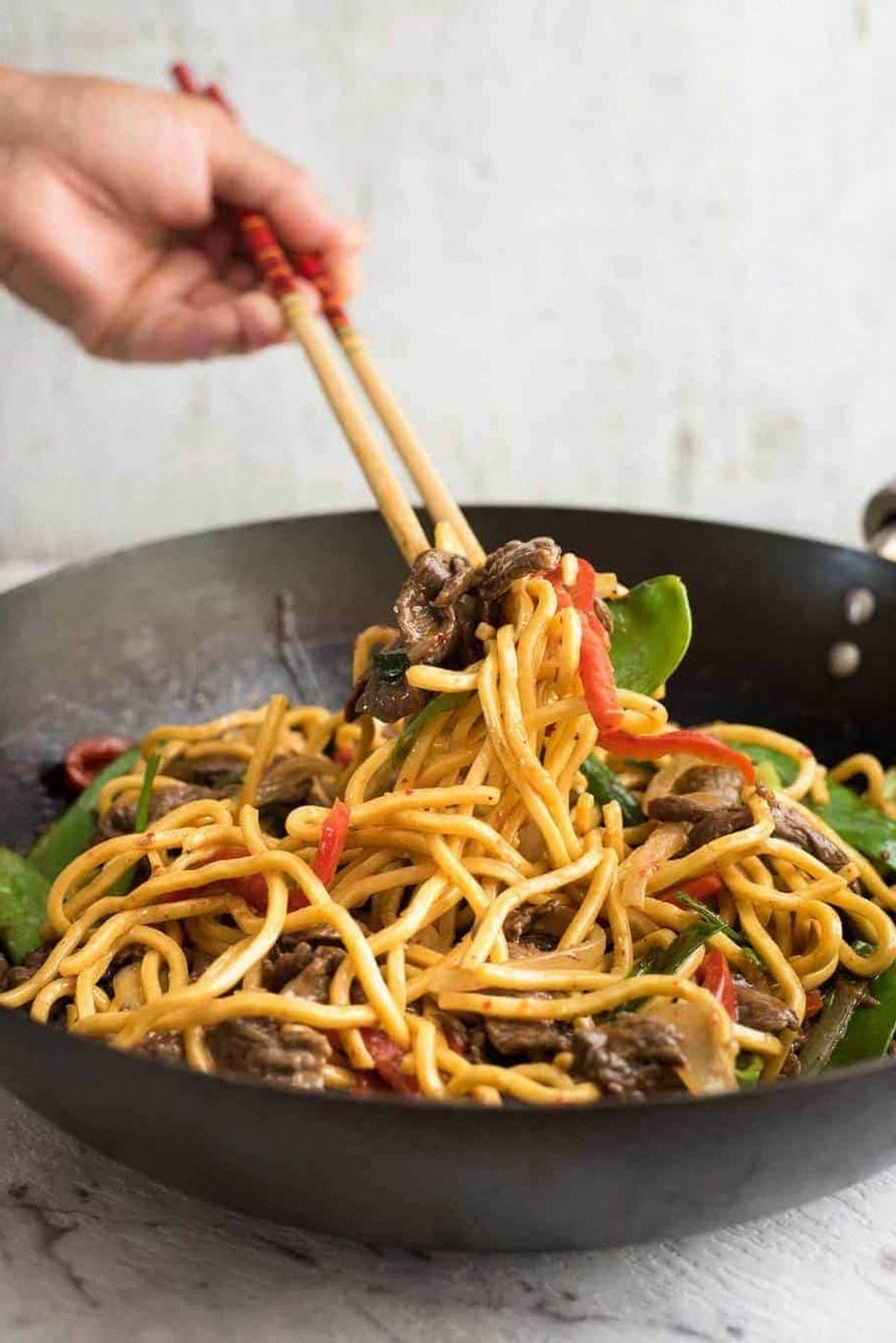
The moment the oil hits the pan, you hear a confident sizzle that promises redemption. The air fills with the intoxicating aroma of caramelizing garlic, a whisper of ginger, and a hint of something sweet and smoky that you can’t quite place—until it hits your tongue. The noodles, whether fresh silk‑soft or sturdy dried, tumble in like confetti, each strand getting a glossy coat of sauce that glistens like sunrise on a lake. You’ll feel the heat radiating from the pan, the slight resistance as the vegetables snap, and the satisfying heft of protein leaping into the mix.
What makes this version stand out isn’t just the ingredients; it’s the method, the timing, and a secret weapon that most recipes ignore. I’m talking about a real all‑purpose Chinese stir‑fry sauce that behaves like velvet, hugging every noodle while still letting the crunch of carrots and the tenderness of bok choy shine. It’s a balance of sweet, salty, and umami that most home‑cooked attempts miss, and it’s so straightforward you could pull it off on a Tuesday night after work.
There’s also a little twist: I’ll throw in a splash of water at just the right moment, creating a steam‑infused finish that revives the noodles if they start to dry out. This tiny detail transforms a good dish into a legendary one. I dare you to taste this and not go back for seconds.
Let me walk you through every single step — by the end, you’ll wonder how you ever made it any other way.
What Makes This Version Stand Out
- Flavor Explosion: The all‑purpose sauce delivers layers of sweet, salty, and umami that coat the noodles like silk, making each bite a mini celebration.
- Texture Harmony: Fresh and dried noodles together give a perfect contrast—soft yet springy, while vegetables stay crisp, not mushy.
- Simplicity: Only nine core ingredients, but each is maximized for impact; you won’t need a pantry full of exotic spices.
- Unique Twist: A splash of water mid‑cook creates steam that keeps noodles moist and prevents them from sticking.
- Crowd Reaction: Guests swear they’ve never tasted anything like it at a home dinner, often asking for the recipe on the spot.
- Ingredient Quality: Using fresh noodles and a real Chinese stir‑fry sauce makes all the difference compared to generic “Asian” sauces.
- One‑Pan Wonder: Everything happens in the same wok, meaning less cleanup and more flavor melding.
- Make‑Ahead Friendly: Cooked noodles hold up for a day, and you can reheat with a dash of water for a near‑fresh experience.
Inside the Ingredient List
The Flavor Base
The heart of this dish is the Real All Purpose Chinese Stir Fry Sauce. It’s a blend of soy, hoisin, garlic, and a hint of fermented bean paste that creates a deep umami backbone. Skipping it means you’ll end up with a bland, watery mess that never clings to the noodles. If you can’t find a ready‑made version, blend soy sauce, a splash of rice vinegar, a drizzle of honey, and a pinch of five‑spice powder. The key is balance: salty, sweet, and a whisper of spice.
The Texture Crew
We use both fresh noodles (100 g) and dried noodles (75 g). Fresh noodles bring a silky mouthfeel, while dried noodles add bite and structure. If you only have one type, you can double the amount, but you’ll lose that delightful contrast. When cooking dried noodles, undercook them by a minute; they’ll finish in the wok, absorbing the sauce perfectly.
The Unexpected Star
Protein is the hidden hero: a half‑cup of your choice—shrimp, chicken, tofu, or beef—adds richness and makes the dish satisfying. It also contributes a subtle smoky note when seared quickly over high heat. Don’t over‑cook; a quick sear locks in juices, and the residual heat from the wok finishes the cooking without drying out the protein.
The Final Flourish
Vegetables—two cups of a mix like bell peppers, snap peas, and carrots—bring color, crunch, and a burst of natural sweetness. They also balance the oil and sauce, preventing the dish from feeling heavy. If you’re feeling adventurous, add a handful of bean sprouts at the end for extra snap. The Base Flavouring is your personal touch—perhaps a dash of chili oil for heat or a sprinkle of toasted sesame seeds for nuttiness. Extra Flavourings could be a splash of lime juice or a drizzle of hoisin for depth.
Everything's prepped? Good. Let's get into the real action...
The Method — Step by Step
First, bring a large pot of water to a rolling boil. Toss in the dried noodles and cook them for half the time indicated on the package—usually about 4 minutes. Drain, rinse under cold water, and set aside. That quick cool‑down stops the cooking process, leaving the noodles firm enough to survive a high‑heat stir‑fry without turning mushy.
While the noodles are cooling, heat 2 tbsp oil in a wok over medium‑high heat. Once the oil shimmers, add your protein of choice. Let it sizzle for 2‑3 minutes, turning only once. You’ll hear a crisp, caramelizing sound that tells you the protein is sealing in its juices.
Kitchen Hack: Pat protein dry with paper towels before adding to the pan; excess moisture causes steam, preventing browning.Next, throw in the vegetables. Stir‑fry for about 2 minutes, watching them turn vibrant while retaining a satisfying crunch. The goal is to “blanch” them just enough so they stay bright and crisp. If you’re using bean sprouts, add them in the last 30 seconds to keep them from wilting.
Now it’s time for the noodles. Add the fresh noodles first, letting them sit for 20 seconds to soak up a bit of oil. Then, gently fold in the pre‑cooked dried noodles. The two noodle types should mingle, creating a beautiful texture mosaic.
Watch Out: Over‑stirring at this stage can break the fresh noodles; use a gentle tossing motion.Drizzle the 2 tbsp Real All Purpose Chinese Stir Fry Sauce over the noodle‑protein‑veg ensemble. Toss quickly so every strand gets a glossy coat. The sauce should cling like velvet, not pool at the bottom. If it looks too thick, splash in the 1/4 cup water and let it steam away for a minute, creating a subtle glaze.
Here’s the secret: add a splash of water—about a tablespoon—right after the sauce has settled. This creates a mini‑steam environment that lifts the noodles, preventing them from sticking and keeping them moist. You’ll hear a gentle hiss, a sign that the steam is doing its magic. This step is pure magic; it transforms a dry stir‑fry into a restaurant‑quality dish.
Season with your Base Flavouring—a dash of chili oil, a pinch of salt, or a sprinkle of toasted sesame seeds. Toss again, letting the aromatics bloom. Taste and adjust with extra flavourings if needed: a splash of lime juice for brightness or a drizzle of hoisin for deeper sweetness.
Finally, turn off the heat and let the wok sit for 30 seconds. This resting period lets the flavors meld, and the residual heat finishes any lingering cooking. Serve immediately, letting the steam rise and the aroma fill the room. That sizzle when it hits the pan? Absolute perfection.
That's it — you did it. But hold on, I've got a few more tricks that'll take this to another level...
Insider Tricks for Flawless Results
The Temperature Rule Nobody Follows
High heat is the soul of stir‑fry. If your wok isn’t hot enough, the ingredients will steam rather than sear, leading to soggy noodles. I always pre‑heat the wok for at least a minute before adding oil; you’ll know it’s ready when a drop of water evaporates instantly. This ensures a quick caramelization that locks in flavor.
Why Your Nose Knows Best
Don’t rely on timers alone; trust your senses. When the garlic turns golden and the sauce begins to bubble, that’s the cue to add the noodles. If you smell a burnt note, lower the heat immediately—overcooked aromatics become bitter and ruin the dish.
The 5‑Minute Rest That Changes Everything
After you finish cooking, let the wok sit off the burner for five minutes. This rest allows the starches in the noodles to settle, preventing them from clumping when you serve. A friend once skipped this step and ended up with a sticky mess that stuck to the plate—lesson learned.
Seasoning Layer by Layer
Instead of dumping all salt and sauce at once, add a pinch after each major component—protein, veggies, noodles. This builds depth and ensures nothing is overly salty. It’s like building a song: each instrument gets its moment to shine.
Water Splash Rescue
If the noodles start to look dry mid‑cook, a quick splash of water (about a tablespoon) will re‑hydrate them without diluting the flavor. The steam created lifts the sauce, making it glossy again. This trick saved me more times than I can count.
Creative Twists and Variations
This recipe is a playground. Here are some of my favorite ways to switch things up:
Spicy Sichuan Fire
Swap the base sauce for a Sichuan peppercorn oil and add a teaspoon of doubanjiang. The result is a tongue‑tingling heat that makes you sweat in the best way possible. Perfect for heat‑seekers.
Coconut Curry Fusion
Replace the Chinese stir‑fry sauce with a coconut‑curry blend—coconut milk, curry paste, and a splash of fish sauce. The noodles take on a creamy, aromatic profile that feels like a tropical getaway.
Veggie‑Only Delight
Omit the protein and double the vegetables, adding mushrooms and tofu for a plant‑based boost. Use a mushroom soy sauce for umami depth. This version is light yet satisfying.
Sweet & Sour Remix
Incorporate pineapple chunks and a splash of rice vinegar, then finish with a drizzle of honey. The sweet‑sour contrast brightens the dish, making it a perfect summer dinner.
Peanut Butter Crunch
Stir in a tablespoon of smooth peanut butter and top with crushed peanuts just before serving. The nutty richness adds a surprising creaminess that pairs beautifully with the soy‑based sauce.
Storing and Bringing It Back to Life
Fridge Storage
Transfer leftovers to an airtight container and refrigerate for up to 3 days. The noodles will absorb a little more sauce, so before reheating, add a splash of water to revive the glaze.
Freezer Friendly
Portion the cooked noodles and sauce into freezer‑safe bags, removing as much air as possible. Freeze for up to 2 months. Thaw overnight in the fridge, then reheat in a hot wok with a tablespoon of water.
Best Reheating Method
Heat a wok over medium‑high, add a drizzle of oil, and toss the noodles for 2‑3 minutes. If they look dry, splash in a teaspoon of water and cover for 30 seconds. The steam will bring them back to that just‑cooked texture.