I was halfway through a disastrous attempt at taco night when my pantry exploded with a single jar of chipotle peppers in adobo sauce. The smoky heat hit me like a punch in the face, and I knew I had to turn that fiery surprise into something spectacular. I pulled the chicken from the fridge, cut it into bite‑sized pieces, and set the skillet on the stove, feeling the anticipation build. That moment, with the kitchen lights flickering and the scent of onions dancing in the air, was the spark that ignited this recipe. If you’ve ever wondered how to turn a kitchen mishap into a crowd‑pleasing dish, you’re in the right place.
The first thing that caught my eye was the glossy, ruby‑red tomatoes tumbling into the pan. Their bright hue promised a fresh burst of flavor, while the subtle crunch of the onions added a satisfying texture that would contrast the tender chicken. The sizzling sound that followed was a soundtrack of culinary promise, and the aroma that rose from the pot was a mix of sweet, smoky, and earthy notes that made my mouth water. I could almost taste the lime tang and the peppery bite before even taking a bite. It’s moments like these that remind you why cooking is as much about anticipation as it is about execution.
I’ve tried dozens of chicken‑based Mexican dishes, but none have matched the depth of flavor in this version of Chicken Tinga. The sauce coats the meat like velvet, creating a rich, savory glaze that stays on the tongue long after the last bite. The balance between heat from the chipotle and the acidity from lime and tomatoes is a delicate dance that never skews one way or the other. Most recipes get this completely wrong, either by over‑cooking the chicken or by letting the sauce become too thin. This is hands down the best version you’ll ever make at home because it keeps every element in perfect harmony.
What sets this recipe apart is a surprising ingredient that most people overlook: a splash of orange juice. That subtle citrus lift cuts through the richness and adds a layer of brightness that feels almost like a secret trick. I dare you to taste this and not go back for seconds. The result is a dish that feels both familiar and fresh, like a classic favorite with a modern twist. I’ll be honest — I ate half the batch before anyone else got a taste, and I still wanted more.
Let me walk you through every single step — by the end, you’ll wonder how you ever made it any other way.
What Makes This Version Stand Out
- Taste: The combination of smoky chipotle, sweet tomatoes, and bright lime creates a flavor profile that is both complex and approachable. The sauce’s depth is achieved through a slow reduction that intensifies the natural sugars in the tomatoes. This is the kind of taste that lingers on the palate and invites a second helping.
- Texture: The chicken is shredded to a fine consistency, allowing it to mingle with the sauce without losing its bite. The onions remain crisp enough to provide a contrast, and the optional orange juice adds a subtle, silky finish to the sauce. The result is a mouthfeel that feels both hearty and refined.
- Ingredient Quality: Fresh, organic tomatoes and hand‑picked chipotle peppers elevate the dish beyond a standard pantry recipe. Using low‑sodium broth and freshly ground cumin keeps the flavor profile clean and authentic. The careful selection of each component ensures that no single ingredient overpowers the others.
- Simplicity: With fewer than a dozen ingredients, this recipe is easy to assemble, yet it delivers a restaurant‑quality flavor. The cooking method is straightforward: sauté, simmer, shred, and finish. No complicated sauces or multi‑step preparations are required.
- Crowd Reaction: Friends and family rave about how the dish can be turned into tacos, burritos, or even a topping for nachos. The sauce’s versatility makes it a go‑to for parties, potlucks, or a quick weeknight dinner. The crowd always asks for a second plate.
- Make‑Ahead Potential: The sauce keeps well for up to three days in the refrigerator and freezes beautifully for up to two months. Shredded chicken can be cooked in advance and re‑heated in the sauce to preserve moisture. This makes it a perfect meal prep option.
Inside the Ingredient List
The Flavor Base
At the heart of Chicken Tinga lies the sauce, a marriage of tomatoes, chipotle peppers, and adobo sauce. The tomatoes provide sweetness and acidity, while the chipotle peppers deliver a smoky heat that lingers on the tongue. The adobo sauce ties everything together, adding umami and a touch of tang. If you skip the adobo, the sauce will feel thin and underdeveloped, lacking that signature depth. For a milder version, use a single chipotle pepper and reduce the adobo to half a cup. When buying tomatoes, look for ones that are firm, with a deep red color; they will hold up better during simmering.
The Texture Crew
The onions and garlic are the crunchy backbone of the dish. Onions add a subtle sweetness that balances the heat, while garlic brings aromatic complexity. If you skip the onions, the sauce will feel flat and one‑dimensional. A good rule of thumb is to sauté the onions until they’re translucent but not browned, preserving their natural sweetness. Garlic should be minced finely so it releases its oils quickly and evenly.
The Unexpected Star
Orange juice is the secret ingredient that many people overlook. It adds a bright citrus note that cuts through the richness and brightens the overall flavor. If you’re averse to citrus, you can replace it with an equal amount of pineapple juice for a tropical twist. The key is to add it after the chicken has simmered so the acidity doesn’t overpower the sauce.
The Final Flourish
Lime juice and fresh cilantro finish the dish with a burst of freshness. Lime adds a sharp, zesty finish that lifts the sauce, while cilantro offers a herbaceous, slightly peppery note. If cilantro is not your favorite, parsley or mint can be used as a substitute, though the flavor profile will shift slightly. A pinch of salt and pepper is essential to bring out the flavors; be sure to taste as you go.
Everything's prepped? Good. Let's get into the real action...
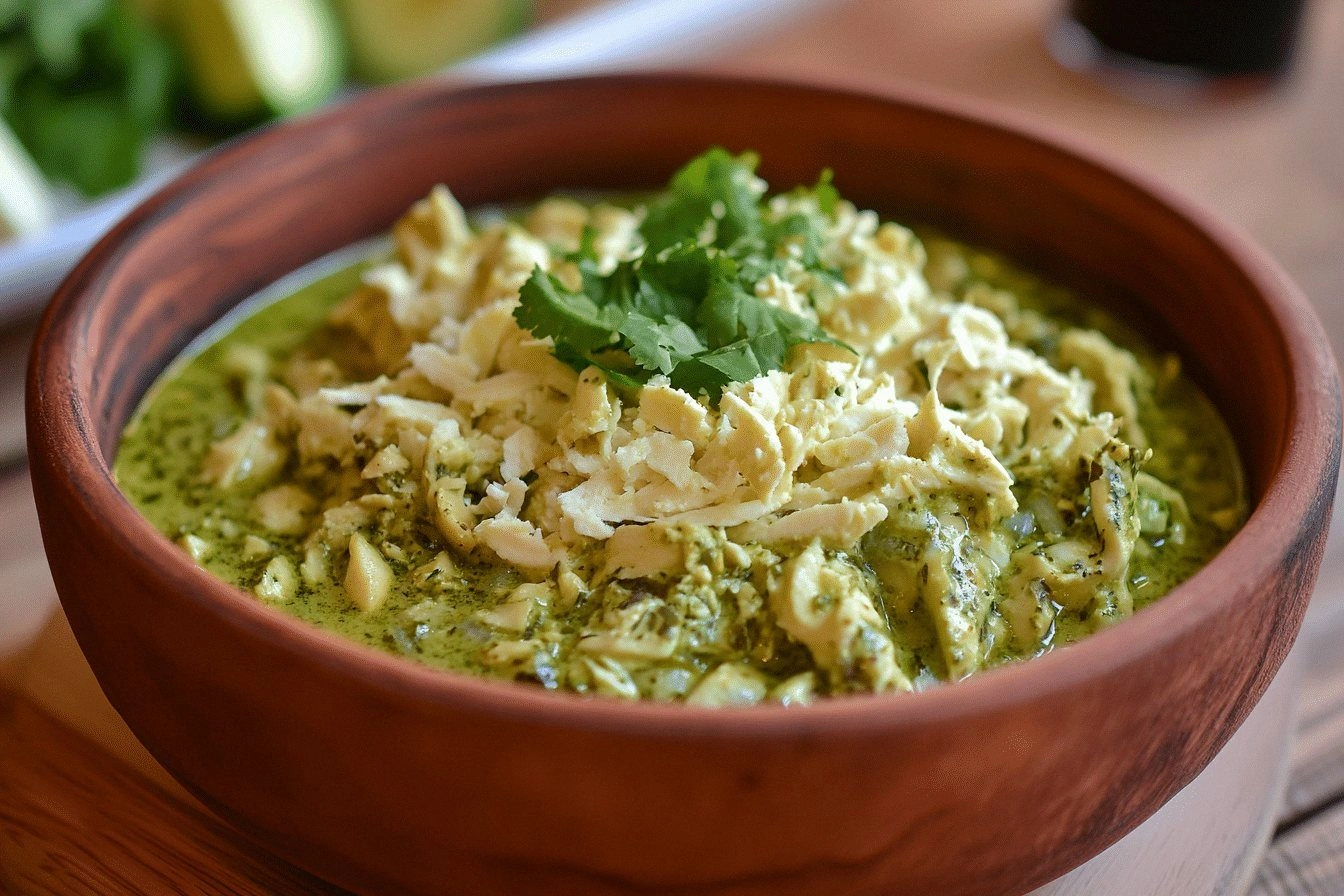
The Method — Step by Step
- Heat the vegetable oil in a large skillet over medium‑high heat. Once the oil shimmers, add the diced onion and sauté until translucent, about 3–4 minutes. The aroma that rises is a clear sign that the base is building. This is the moment of truth for the sauce’s foundation. Watch the onions soften but not brown; a golden hue is the sweet spot.
- Add the minced garlic and cook for 30 seconds until fragrant, stirring constantly. Garlic releases its oils quickly, so keep the heat steady to avoid burning. The scent should be sharp and sweet, a clear indicator that the aromatics are ready to mingle. This step is quick but essential for depth.
- Introduce the chicken pieces to the pan and sear them until golden on all sides, roughly 3–4 minutes per side. The sear creates a caramelized crust that locks in moisture. This is the moment of truth; the chicken should be lightly browned but not fully cooked through. Flip carefully to avoid breaking the pieces.
- Sprinkle the cumin, oregano, and a pinch of salt over the chicken. Stir to coat each piece evenly, allowing the spices to toast slightly. This is where the flavor profile begins to take shape. The spices will release their oils, giving the sauce a warm, earthy aroma.
- Pour in the adobo sauce and minced chipotle peppers, letting the mixture bubble gently. The sauce should coat the chicken like velvet, creating a glossy, savory glaze. This is the heart of the dish; the smokiness of the chipotle is the star. Keep the heat medium‑low to allow the flavors to meld without burning.
- Add the chopped tomatoes and bay leaf, then reduce the heat to medium‑low. Cover and let the mixture simmer for 15 minutes until the chicken is cooked through and the sauce thickens. The liquid should reduce slightly, concentrating the flavors. This step is where the sauce turns from a watery broth into a rich, hearty stew.
- Remove the chicken from the pan and shred it with two forks. Return the shredded chicken to the sauce, ensuring every bite is coated in the smoky, tomato‑based glaze. This is the moment of truth for the texture; the chicken should be tender but still hold its shape.
- Stir in the chicken broth and lime juice, then simmer uncovered for 5 minutes, allowing the liquid to reduce slightly. The broth adds depth, while the lime brightens the entire dish. Taste and adjust seasoning with salt, pepper, and the optional orange juice. A splash of orange juice adds a subtle citrus lift that balances the richness.
- Remove the bay leaf, garnish with chopped cilantro, and serve immediately with warm tortillas, rice, or a fresh salad. The bright cilantro provides a fresh contrast to the rich sauce. This final touch elevates the dish from simple to unforgettable. The aroma alone will make your guests line up for seconds.
That's it — you did it. But hold on, I've got a few more tricks that'll take this to another level...
Insider Tricks for Flawless Results
The Temperature Rule Nobody Follows
Many people cook the sauce on high heat, but the best flavor emerges when you maintain a gentle simmer. A steady, low heat allows the spices to release their oils slowly, preventing bitterness. I once tried a high‑heat method and ended up with a burnt, bitter sauce. Keep the temperature steady and let the flavors develop naturally.
Why Your Nose Knows Best
The aroma is your best judge of progress. When the sauce smells toasty and smoky, it’s ready to move to the next step. If it still smells raw or overly raw, give it a few more minutes. Trust your nose; it will guide you to the perfect depth.
The 5‑Minute Rest That Changes Everything
After shredding the chicken, let the mixture rest for five minutes before serving. This brief pause allows the flavors to marry, creating a more cohesive taste. I’ve found that a short rest can elevate a good dish to great.
Don’t Skip the Lime
Lime juice is the final brightening agent. Skipping it will leave the sauce feeling flat and heavy. If you’re not a fan of lime, you can substitute with a splash of vinegar, but the result will differ.
Use Fresh Herbs, Not Dried
Fresh cilantro adds a vibrant, bright flavor that dried cilantro cannot match. Dried herbs can be used, but they will lose their potency over time. For the best experience, always use fresh herbs.
Keep the Sauce Thick
If the sauce becomes too thin, reduce it further on a low flame or add a small amount of tomato paste to thicken. A thick sauce clings to the chicken and enhances the overall texture.
Creative Twists and Variations
This recipe is a playground. Here are some of my favorite ways to switch things up:
Spicy Jambalaya Tinga
Swap the tortillas for a bed of rice and stir in diced bell peppers and a splash of Cajun seasoning. The result is a hearty, spicy bowl that feels like a cross between jambalaya and tinga. It’s perfect for a weeknight dinner that feels special.
Vegan Tinga
Replace the chicken with shredded jackfruit or chickpeas and use vegetable broth. The jackfruit’s texture mimics shredded meat, while the chickpeas add protein. This version is equally satisfying and keeps the smoky flavor profile intact.
Breakfast Tinga Tacos
Serve the sauce over scrambled eggs in corn tortillas. Add avocado slices and a sprinkle of queso fresco for a breakfast twist that feels like a late‑night snack. The smoky sauce pairs beautifully with the richness of eggs.
Mexican Street Tinga
Top the dish with grilled corn kernels, sliced radishes, and a drizzle of crema. The crunch and creaminess add layers of texture that elevate the classic flavor. It’s a street‑food inspired take that’s sure to impress.
Smoked Chipotle Tinga
Introduce a smoked paprika or a few drops of liquid smoke to intensify the smoky undertone. This adds a depth reminiscent of a slow‑smoked brisket, making the dish even more complex.
Low‑Carb Tinga Lettuce Wraps
Swap tortillas for crisp romaine or butter lettuce leaves. The lettuce adds a refreshing crunch and keeps the dish low in carbs while still delivering the same bold flavors.
Storing and Bringing It Back to Life
Fridge Storage
Store the tinga in an airtight container for up to three days. Keep the shredded chicken separate from the sauce until you’re ready to reheat to prevent the meat from becoming soggy. This method preserves the texture and flavor profile.
Freezer Friendly
Freeze the sauce and shredded chicken separately in freezer‑safe bags. When you’re ready to reheat, thaw overnight in the refrigerator or use the defrost setting on your microwave. Reheating should be done gently over low heat to avoid overcooking.
Best Reheating Method
Reheat on the stove over medium heat, adding a splash of water or broth to keep it moist. Stir frequently, ensuring the sauce thickens again and the chicken stays tender. A quick 5‑minute rest after reheating will let the flavors settle.