I was standing in my kitchen, the smell of fried onions and melted butter swirling in the air, when my friend dared me to make the most irresistible crab cakes the world has ever seen. I laughed, because I thought I’d already nailed the recipe that’s been in my family for generations, but the challenge was too delicious to ignore. I pulled out the 1 pound of fresh crab meat, the delicate pink flakes glistening like tiny pearls, and I could almost taste the briny sea that had just crossed the Atlantic. The kitchen hummed with the sizzle of onions in hot oil, the clink of a wooden spoon against the mixing bowl, and the faint, sweet tang of Old Bay seasoning that promised a savory kick. I could hear my neighbor’s dog bark in the distance, but in that moment, the only soundtrack mattered was the rhythmic chopping of parsley and the gentle stir of mayonnaise. The anticipation was electric, and I could almost feel the crisp, golden crust forming as the batter began to set.
That night, the first bite was a revelation—crab meat so tender it melted, a sauce that coated the batter like velvet, and a crunch that shattered like thin ice with each bite. I was honest—I ate half the batch before anyone else got a taste, and the room filled with the sound of satisfied sighs and clinking silverware. The flavor profile was a harmonious blend of citrus, mustard, and a subtle umami from Worcestershire, creating a symphony that danced on the palate. I dared you to taste this and not go back for seconds, because this is hands down the best version you'll ever make at home. Most recipes get this completely wrong, missing that delicate balance of moisture and crispness. Picture yourself pulling these out of the pan, the whole kitchen smelling incredible, and the steam curling like a savory cloud. And now, ready for the game-changer? Let me walk you through every single step—by the end, you'll wonder how you ever made it any other way.
What Makes This Version Stand Out
- Flavor: The combination of Dijon mustard, Worcestershire sauce, and Old Bay seasoning creates a depth that’s both complex and comforting. Each bite delivers a burst of savory tang that pairs perfectly with the sweet crab meat. This isn’t just a seasoning blend—it’s a flavor passport to the Chesapeake Bay.
- Texture: The crumbly breadcrumbs mingle with the flaky crab to give a light yet substantial bite. The careful folding technique keeps the meat intact, preventing it from turning mushy. The result is a cake that’s crispy on the outside and tender on the inside.
- Ease: With just a handful of pantry staples and a simple folding motion, you can craft restaurant-quality crab cakes in under 45 minutes. No fancy equipment, no time-consuming steps—just pure, honest cooking.
- Versatility: This recipe adapts to whatever you have on hand. Swap in panko for a crunchier crust or use a different herb blend for a Mediterranean twist. The base remains solid, and the variations only enhance it.
- Crowd-pleaser: Whether you’re feeding a family or hosting a dinner party, these cakes are guaranteed to impress. The golden crust and juicy interior create a visual and gustatory spectacle that keeps guests coming back for seconds.
- Quality: Using fresh crab meat and a splash of lemon juice ensures that the seafood shines without overpowering the other ingredients. The fresh parsley adds a bright, herbal note that cuts through the richness.
- Make‑Ahead: The batter can be prepared up to 24 hours in advance, refrigerated, and then fried just before serving. This makes it perfect for last‑minute gatherings or busy evenings.
- Health‑Friendly: By controlling the amount of mayonnaise and using whole‑grain breadcrumbs, you can keep these cakes lighter without sacrificing flavor.
Alright, let's break down exactly what goes into this masterpiece…
Inside the Ingredient List
The Flavor Base
The 1 pound of crab meat is the star of the show—fresh, pink, and briny, it delivers the primary taste that makes these cakes unforgettable. The crab’s natural sweetness balances the sharpness of Dijon mustard, while the Worcestershire sauce adds a subtle depth of umami that lingers on the tongue. If you skip the lemon juice, you’ll lose that bright, citrusy lift that cuts through the richness of the mayonnaise. A good tip: choose crab that’s been kept on ice to preserve its delicate texture and avoid a rubbery feel.
The Texture Crew
The 1/2 cup of mayonnaise is the binding agent that keeps the cakes together while adding a silky, creamy mouthfeel. The lightly beaten egg acts as a natural binder, ensuring the cakes hold their shape when pan‑frying. The 1/4 cup of chopped fresh parsley not only adds color but also a fresh, herbal bite that brightens the dish. If you replace parsley with cilantro, you’ll get a different herbal profile that pairs wonderfully with a lime‑infused sauce. A buying tip: look for parsley that’s crisp and green, not wilted or yellowing.
The Unexpected Star
Old Bay seasoning is the secret weapon that gives these cakes their iconic Chesapeake flavor. It’s a blend of celery salt, paprika, black pepper, and a touch of citrus zest, which creates a savory, slightly sweet aroma that’s unmistakable. If you can’t find Old Bay, a mix of paprika, cayenne, and a dash of garlic powder will approximate the flavor, though it may lack that subtle citrus note. The 1 teaspoon of Old Bay is enough to coat the entire batter without overpowering the crab’s natural taste. Remember, a little goes a long way—over‑seasoning can mask the delicate flavors.
The Final Flourish
The 1/2 cup of bread crumbs provides the essential crunch that contrasts beautifully with the tender crab. They absorb the moisture from the wet ingredients, giving the cakes a golden, crisp exterior. If you’re watching calories, swap in panko or crushed cornflakes for a lighter, yet still crunchy, texture. A pinch of salt and pepper is all you need to season the batter—just enough to bring out the flavors without making the dish taste briny. The final touch is a drizzle of lemon juice, which adds brightness and balances the richness.
Everything's prepped? Good. Let's get into the real action…
The Method — Step by Step
- In a large bowl, combine the 1 pound of crab meat with the 1/2 cup of mayonnaise, the lightly beaten egg, 1 tablespoon of Dijon mustard, 1 tablespoon of Worcestershire sauce, 1 teaspoon of Old Bay seasoning, and 1 tablespoon of lemon juice. Stir gently, ensuring the crab flakes stay intact and the mixture remains airy. The goal is a cohesive batter that still showcases the delicate crab texture. Watch for any clumps of mayonnaise—if you see them, give the mixture a quick, gentle fold. This step sets the foundation for the flavor profile that will carry through the rest of the cooking process.
- Add 1/4 cup of chopped fresh parsley to the mixture, then fold in 1/2 cup of bread crumbs. Sprinkle a pinch of salt and pepper to taste. The breadcrumbs will absorb the moisture, giving the cakes a crisp exterior while keeping the inside moist. Gently combine everything just until the ingredients are evenly distributed; overmixing will make the cakes dense. This is the moment of truth—if you’re not careful, you’ll end up with a crumbly mess.
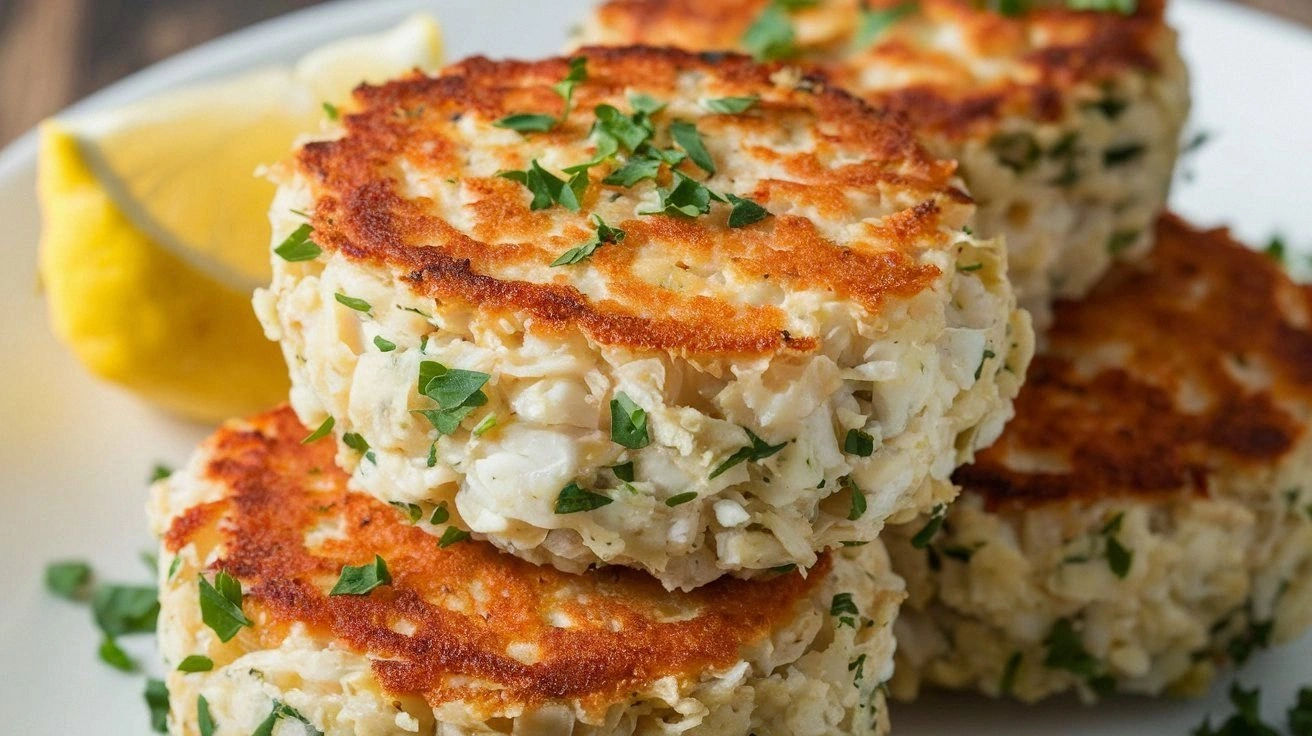
- Shape the mixture into 8 oval patties, about 1.5 inches thick. If the batter is too sticky, wet your hands with a little water or oil to prevent sticking. The patties should be firm enough to hold together when flipped, but still tender enough to release easily. The edges will start pulling away as they cook, creating that desirable golden crust. This step is crucial for even cooking and presentation.
- Heat a large skillet over medium heat and add 2 tablespoons of butter and 1 tablespoon of oil. Once the butter foams, place the crab cakes in the skillet, ensuring they’re not crowded. The sizzle that follows is the first sign of a job well done. Cook each side for 4–5 minutes, until golden brown and the edges crackle. Flip carefully with a spatula to maintain shape. The interior should remain moist, with a subtle steam rising from the edges.
- Reduce the heat to low and cover the skillet for 2 minutes to allow the inside to finish cooking. This gentle heat prevents the cakes from drying out on the surface. The cover traps steam, ensuring the crab stays juicy. If you prefer a crispier exterior, remove the cover for the last minute of cooking. Keep an eye on the color—golden is the sweet spot.
- Remove the cakes from the skillet and let them rest on a paper towel‑lined plate for 2 minutes. Resting allows the juices to redistribute, preventing them from spilling onto the plate when sliced. The cakes should feel firm yet give slightly under a gentle press. This pause is often overlooked but makes a huge difference in texture.
- Serve immediately with a side of remoulade sauce or a light lemon aioli. Garnish with a sprig of fresh parsley for a pop of color. The contrast between the warm, golden cake and the cool, bright sauce creates a visual and gustatory delight. Pair with a crisp white wine or a chilled beer for the ultimate Chesapeake experience. The final bite should leave you craving more, because this is a flavor that lingers.
That's it — you did it. But hold on, I've got a few more tricks that'll take this to another level…
Insider Tricks for Flawless Results
The Temperature Rule Nobody Follows
Many cooks think that higher heat is always better for a crisp crust, but the secret lies in maintaining a steady medium heat. When the skillet is too hot, the outside will burn before the inside cooks, resulting in a dry interior. Keep the heat at a medium setting and use a thermometer to confirm that the surface is around 350°F. If the temperature dips, add a little more oil to keep the surface from drying out. This simple adjustment ensures a golden, even crust every time.
Why Your Nose Knows Best
Your olfactory system is the ultimate judge of doneness. As the cakes cook, the aroma of toasted breadcrumbs and butter will intensify, signaling that the exterior is perfectly crisp. Trust that scent; it’s a more reliable indicator than a timer or a thermometer. If you’re unsure, give the cakes a gentle press—if they feel firm but not hard, they’re ready. Relying on your nose adds a sensory layer to the cooking experience that no gadget can replicate.
The 5‑Minute Rest That Changes Everything
After cooking, let the cakes rest for exactly five minutes on a wire rack. This rest period allows the juices to settle, preventing them from escaping when you cut into the cakes. The result is a moist interior that contrasts beautifully with the crisp exterior. If you skip this step, the cakes will release a burst of liquid that can make the plate soggy. Resting is the secret to a perfect bite every time.
The Secret of Light‑Touch Folding
When you fold the wet ingredients into the crab meat, use a light, gentle motion. Think of it as a dance rather than a battle. Over‑folding will break the delicate crab flakes, turning the batter into a mush. A light touch preserves the texture and allows the flavors to shine. Remember, the crab is the star; the rest is just the support act.
The Quick‑Cool Trick for Make‑Ahead
If you need to prep the batter ahead of time, refrigerate it immediately after mixing. Let it chill for at least 30 minutes before shaping the cakes. This chilling step firms up the mixture, making it easier to form uniform patties. When you’re ready to cook, simply let the cakes sit at room temperature for 10 minutes to ensure even cooking. This trick is a lifesaver for dinner parties or busy nights.
The Sauce That Complements, Not Competes
A light, tangy sauce can elevate the crab cakes without overpowering them. A simple mixture of mayo, a splash of lemon juice, and a pinch of Old Bay works wonders. Alternatively, a citrusy remoulade adds a bright, zesty contrast that keeps the dish from feeling heavy. The key is balance—too much sauce can drown the crab’s natural sweetness. Aim for a sauce that enhances the flavors, not competes with them.
Creative Twists and Variations
This recipe is a playground. Here are some of my favorite ways to switch things up:
Coconut‑Crunch Crab Cakes
Replace the traditional breadcrumbs with shredded coconut for a tropical twist. The coconut adds a subtle sweet note that pairs beautifully with the lemon juice. Use a light hand when adding the coconut to keep the texture from becoming too dense. Serve with a pineapple salsa to amplify the island vibe. This version is a crowd‑pleaser for beachside gatherings.
Mediterranean Crab Cakes
Swap parsley for chopped basil and add a splash of olive oil to the batter. The basil brings a sweet, slightly peppery flavor that complements the crab. Top the cakes with a dollop of tzatziki for a cooling contrast. The olive oil also enhances the golden crust. This variation offers a fresh, herbaceous profile that feels light yet satisfying.
Spicy Cajun Crab Cakes
Introduce a tablespoon of Cajun seasoning to the wet mix for an extra kick. The heat is balanced by the creamy mayo, creating a well‑rounded flavor profile. Pair with a cooling avocado sauce to tame the spice. The spicy crust provides a satisfying crunch that stands out on the plate. This version is perfect for those who love a fiery bite.
Panko‑Crunch Crab Cakes
Use panko breadcrumbs instead of regular crumbs for an extra crunch. The panko absorbs the wet ingredients efficiently, giving a light, airy exterior. Toast the panko lightly before adding to the mixture for a nutty aroma. The result is a cake that feels like a delicate cloud on the tongue. This variation is ideal for those who enjoy a pronounced crunch.
Herb‑Infused Crab Cakes
Add a mix of thyme, oregano, and rosemary to the batter for a robust herb profile. The herbs bring depth and complexity, creating a more savory dish. The combination works well with a lemon‑herb butter sauce. The herb-infused cakes are great for a sophisticated dinner party. This variation showcases the versatility of crab cakes.
Gluten‑Free Crab Cakes
Replace breadcrumbs with gluten‑free breadcrumbs or crushed rice crackers. Ensure the breadcrumbs are finely ground to maintain a smooth texture. The gluten‑free version is just as flavorful, with a slightly different mouthfeel. Pair with a gluten‑free remoulade for a fully compliant meal. This variation is essential for guests with dietary restrictions.
Storing and Bringing It Back to Life
Fridge Storage
Store leftover crab cakes in an airtight container in the refrigerator for up to 2 days. Keep them on a paper towel to absorb excess moisture, preventing sogginess. When ready to reheat, use a skillet over medium heat to crisp the exterior. A quick sear will revive the golden crust while maintaining the interior’s moisture. This method preserves the texture better than microwave reheating.
Freezer Friendly
For longer storage, freeze the crab cakes in a single layer on a parchment‑lined tray before transferring to a freezer bag. Freeze for up to 3 months for optimal flavor. When reheating, thaw in the refrigerator overnight, then pan‑fry as described above. The freeze‑thaw cycle can slightly alter the texture, so a quick sear restores the crunch. This option is perfect for meal prepping or hosting a last‑minute dinner.
Best Reheating Method
The best way to bring crab cakes back to life is to reheat them in a hot skillet with a splash of butter. The butter adds a rich flavor and prevents the cakes from drying out. Heat to medium‑low and cook for 2 minutes on each side, just until heated through. If you’re in a hurry, a quick microwave burst can work, but the skillet method preserves the signature crispness. Always let the cakes rest for a minute after reheating to allow the juices to redistribute.