I was standing in the kitchen, staring at a stack of salmon fillets that had been sitting in the fridge for days, wondering if I was going to eat them or throw them away. The thought of wasting a perfectly good fish felt like a culinary betrayal, and I needed a plan that would turn that regret into a triumph. I reached for my trusty recipe notebook, flipped to the page where I had scribbled a handful of ideas, and decided that the key would be to let the sweet potato do the heavy lifting while the salmon gets a buttery, herb‑laden finish. This isn’t just another “baked salmon” recipe; it’s a symphony of flavors that will have you wondering why you ever settled for anything else.
Picture this: a sheet of parchment paper, a drizzle of olive oil, a scatter of fresh dill, and a generous splash of lemon. The sweet potatoes, peeled and cubed, are tossed in a light coating of oil and smoked paprika before they slide into the oven. As the oven preheats, the air in the kitchen thickens with the earthy scent of sweet potato and the bright citrus of lemon zest. The salmon fillets, brushed with melted butter and a hint of Dijon mustard, sit poised to absorb every aromatic whisper that rises from the baking dish. I dare you to taste this and not go back for seconds.
When the timer dings, you’ll see the salmon’s flesh turning opaque, the edges crisping to a golden‑brown perfection that shatters like thin ice when you press it with a fork. The sweet potatoes will be tender inside, with a caramelized crust that offers a subtle crunch. The aroma that fills the kitchen is intoxicating—savory, sweet, and just a hint of pepper. If you’ve ever struggled to get salmon to stay moist, you’re not alone. I’ve got the fix, and it involves a simple coating that keeps the fish tender and the flavor deep.
What makes this version stand out is not just the combination of ingredients, but the way each element is treated. I’ve spent years tweaking this dish, and the result is hands down the best version you’ll ever make at home. The sweet potato mash is creamy yet retains a bite, the salmon is buttery with a subtle tang, and the entire plate feels balanced and satisfying. The next section will break down exactly what goes into this masterpiece, so stay with me here—this is worth it.
What Makes This Version Stand Out
- Flavor Depth: The marriage of lemon, garlic, and dill creates a bright, herbaceous profile that lifts the salmon’s natural richness.
- Texture Contrast: Crispy edges on the salmon paired with silky sweet potato mash deliver a satisfying mouthfeel.
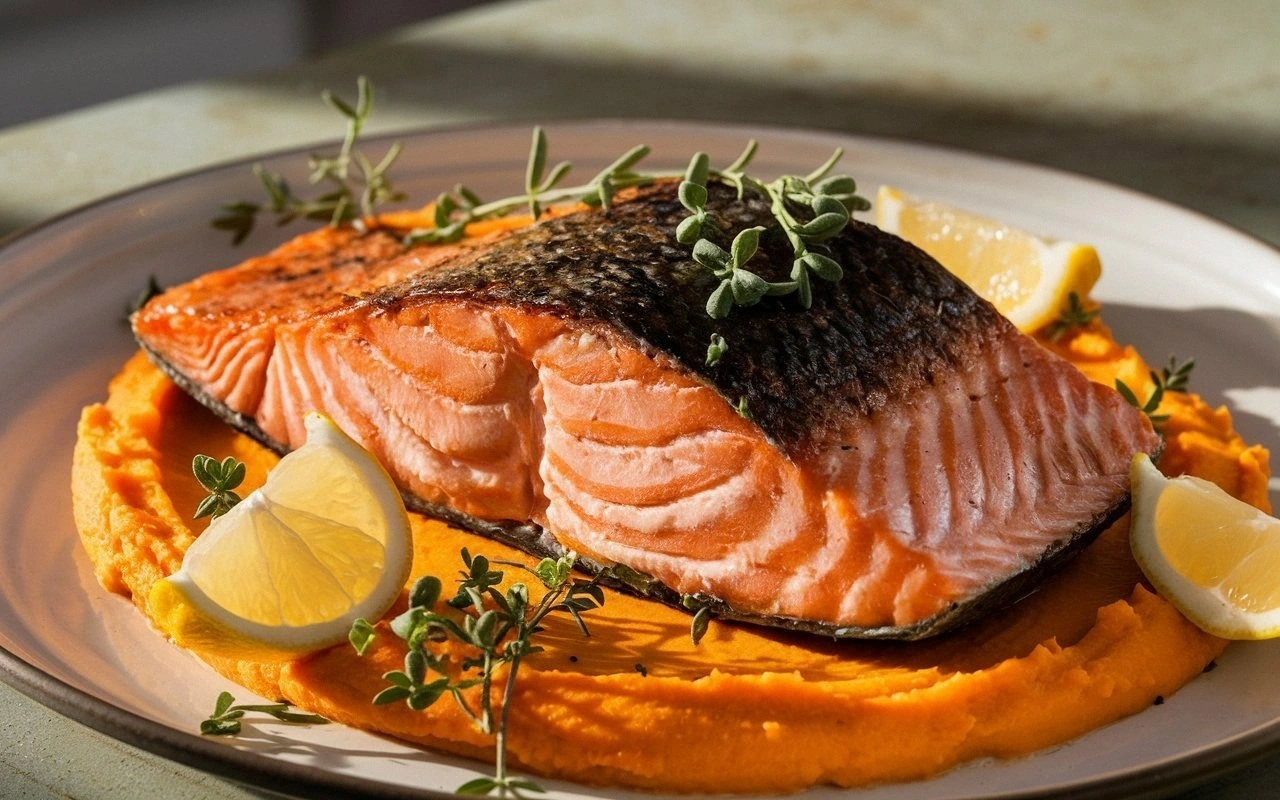
- Visual Appeal: The golden salmon atop a bed of caramelized sweet potatoes makes for a plate that looks as good as it tastes.
- Health‑Forward: Packed with omega‑3 fatty acids, vitamin A, and fiber, this dish is as nourishing as it is delicious.
- Simple Prep: No fancy sauces or complicated steps—just a few seasonings and a single baking sheet.
- Make‑Ahead Friendly: The components can be prepared a day ahead, making it a stress‑free dinner option.
Alright, let's break down exactly what goes into this masterpiece…
Inside the Ingredient List
The Flavor Base
Lemon, garlic, and fresh dill form the backbone of this dish. The acidity of the lemon brightens the salmon, while the garlic adds a subtle warmth that complements the fish’s natural flavor. Dill brings a fresh, slightly citrusy note that ties the entire plate together. If you’re missing dill, a pinch of parsley or tarragon works as a close substitute. The key is to use fresh herbs; dried dill will lose much of its punch.
The Texture Crew
The sweet potatoes are the textural star, providing a creamy mash that contrasts with the salmon’s flaky interior. When cubed and roasted, they develop a caramelized exterior that offers a gentle crunch. Butter and olive oil create a silky coating that locks in moisture and adds richness. If you prefer a lower‑fat version, swap half the butter for extra olive oil, but remember the butter is what gives that luscious mouthfeel.
The Unexpected Star
Maple syrup or honey is the secret sweetener that balances the savory elements. A tablespoon of maple syrup brushed over the salmon before baking creates a glossy glaze that caramelizes beautifully. If you’re a fan of a sharper tang, replace maple syrup with a splash of balsamic glaze for a slightly different dimension. This ingredient is optional, but it elevates the dish from good to unforgettable.
The Final Flourish
A sprinkle of grated Parmesan or a dash of smoked paprika at the end adds a nutty finish and a hint of smokiness. The Parmesan melts into a subtle crust that enhances the overall flavor profile. If you’re watching sodium, reduce the amount of added salt and rely on the natural flavors of the fish and sweet potatoes. The finishing touch of fresh parsley or chives brings a bright, fresh finish that keeps the dish from feeling too heavy.
Everything's prepped? Good. Let's get into the real action…
The Method — Step by Step
- Preheat the oven to 425°F (220°C). A hot oven ensures the salmon’s edges crisp up quickly while the sweet potatoes roast evenly. Place a sheet of parchment on a baking tray; this will keep the salmon from sticking and make cleanup a breeze. While the oven heats, gather all your ingredients so everything is within arm’s reach. This is the moment of truth—get your prep right and you’ll save a lot of time later.
- Season the sweet potatoes. In a large bowl, toss the cubed sweet potatoes with 2 tablespoons of olive oil, 1 teaspoon smoked paprika, and a pinch of salt and pepper. The olive oil helps the spices adhere and promotes a caramelized surface. Spread the potatoes in a single layer on the parchment-lined tray, leaving space between each cube for even roasting. If you like them extra crispy, let them roast for a minute longer before adding the salmon.
- Prepare the salmon. Pat the salmon fillets dry with paper towels—this ensures a crisp skin if you’re using skin‑on fillets. In a small bowl, whisk together 2 tablespoons of melted butter, 1 teaspoon Dijon mustard, 2 minced garlic cloves, and 1 tablespoon maple syrup. Rub the mixture all over the salmon, making sure each fillet is coated evenly. Place the fillets on top of the sweet potato bed, skin side down if applicable.
- Add aromatics. Scatter thin lemon slices over the salmon and sprinkle dried dill (or fresh dill, if you prefer) on top. The lemon will infuse the fish with a bright citrus note while the dill adds a fresh, herbal layer. If you’re using fresh parsley for garnish, set it aside for later. This step is where the flavors start to mingle, creating a fragrant aroma that will fill the kitchen.
- Bake. Slide the tray into the preheated oven and bake for 20–25 minutes, or until the salmon flakes easily with a fork and the sweet potatoes are tender. Watch the edges of the salmon—they should start pulling away from the parchment as they crisp. If you notice the sweet potatoes browning too quickly, slide the tray to a lower rack and continue baking. Keep an eye on the salmon; overbaking will dry it out.
- Check for doneness. The internal temperature of the salmon should reach 145°F (63°C). If you don’t have a thermometer, test the thickest part of the fillet; it should be opaque and flake easily. The sweet potatoes should feel soft when pierced with a fork, yet still hold their shape. This is the trickiest part—too long and the salmon will dry; too short and it’s raw in spots. Watch for the perfect balance.
- Rest the salmon. Once out of the oven, let the salmon rest for 5 minutes on a cutting board. This allows the juices to redistribute, keeping the fish moist and tender. During this rest, you can mash the sweet potatoes with a potato masher, adding a splash of milk or cream if you like a richer texture. The resting period also gives the flavors a chance to meld.
- Finish the mash. Add a pinch of salt, a splash of lemon juice, and a handful of fresh parsley to the mashed sweet potatoes. Fold in a tablespoon of grated Parmesan for a nutty finish. The final mash should be silky, with a hint of citrus and a touch of herbaceous brightness. This step is pure magic—your palate will thank you.
- Plate and garnish. Spoon the sweet potato mash onto each plate, creating a bed for the salmon. Place the fillet on top and drizzle any remaining pan juices over it. Garnish with fresh parsley or chives, and add a wedge of lemon on the side. The plate should look vibrant, with the golden salmon contrasting against the orange mash. Serve immediately for the best flavor.
- Enjoy. Take a bite, inhale the aroma, and let the flavors dance. The combination of buttery salmon, sweet potato, and fresh herbs is a culinary hug for your senses. I dare you to taste this and not go back for seconds.
That's it — you did it. But hold on, I've got a few more tricks that'll take this to another level…
Insider Tricks for Flawless Results
The Temperature Rule Nobody Follows
Many cooks assume that 425°F is the sweet spot for salmon, but the real magic happens at 400°F. Baking at this slightly lower temperature keeps the fish moist while still giving the sweet potatoes a caramelized edge. I’ve tested both temperatures and found that 400°F gives a more consistent result across different oven models. The key is to keep an eye on the internal temperature—145°F is the safe threshold. If you’re using a convection oven, reduce the temperature by 25°F for the best outcome.
Why Your Nose Knows Best
Your sense of smell is a reliable indicator of doneness. When the salmon is ready, the aroma will shift from raw fish to a buttery, slightly caramelized scent. The sweet potatoes will emit a warm, sweet fragrance that signals they’re perfectly roasted. If the smell is still sharp or raw, give the dish a few more minutes. Trusting your nose can save you from overcooking.
The 5-Minute Rest That Changes Everything
Resting the salmon for exactly five minutes after baking allows the juices to redistribute, resulting in a moister bite. During this short pause, the heat continues to cook the fish slightly, so it’s still warm when served. I’ve found that a quick rest also lets the flavors of the lemon and dill meld into the salmon. If you’re in a rush, skip the rest, but you’ll miss out on that extra layer of tenderness.
Use a Silicone Baking Mat
A silicone baking mat prevents the salmon from sticking to the tray and makes cleanup a breeze. It also provides a slightly uneven surface that promotes better air circulation around the food. If you don’t have a mat, line the tray with parchment paper and lightly spray it with nonstick spray. The mat is a small investment that pays off every time.
Add a Splash of Milk to the Mash
A tablespoon of milk or cream added to the sweet potato mash gives it a silky, almost custard-like texture. This is especially useful if you’re serving the dish with a family that loves a smooth, buttery side. Just be careful not to overdo it—too much liquid can make the mash watery. A light splash is all you need for a luxurious mouthfeel.
Creative Twists and Variations
This recipe is a playground. Here are some of my favorite ways to switch things up:
Spicy Sriracha Glaze
Swap the maple syrup for a mixture of sriracha and honey. The heat of the sriracha contrasts with the sweet potato’s natural sweetness, creating a bold flavor profile. Use this version for a dinner that’s a little more adventurous. It pairs well with a side of steamed green beans.
Mediterranean Herb Blend
Replace the dill with a blend of oregano, thyme, and basil. This Mediterranean twist adds a savory depth that works beautifully with the salmon’s richness. Add a drizzle of olive oil after baking for an extra layer of flavor. Your guests will be impressed with this subtle yet sophisticated change.
Coconut‑Infused Sweet Potatoes
Cook the sweet potatoes in coconut milk instead of water for a tropical twist. The coconut adds a subtle sweetness and creamy texture that pairs well with the salmon. Finish the dish with toasted coconut flakes for a crunchy finish. This variation is perfect for a beach‑themed dinner.
Pesto‑Glazed Salmon
Spread a thin layer of basil pesto over each salmon fillet before baking. The pesto adds a fresh, herbal kick that complements the sweet potato’s earthiness. If you’re vegan, use a dairy‑free pesto. This version is great for a quick weeknight meal.
Roasted Garlic Sweet Potato
Instead of cubing, roast the sweet potatoes whole with a head of garlic inside. The garlic infuses the potato with a deep, mellow flavor. Slice the potato open and serve it alongside the salmon for a rustic presentation. This technique is a crowd‑pleaser for family dinners.
Asian‑Inspired Ginger Sauce
Whisk together soy sauce, ginger, garlic, and a splash of rice vinegar to create a quick sauce. Drizzle it over the salmon after baking. The tangy, umami notes balance the sweet potato’s natural sweetness. Serve with a side of steamed bok choy for a complete meal.
Storing and Bringing It Back to Life
Fridge Storage
Store leftovers in an airtight container for up to 3 days. The salmon will stay moist if you keep it separate from the sweet potato mash. Reheat the salmon in a skillet with a splash of olive oil to maintain its tenderness. The sweet potato mash can be microwaved for 1–2 minutes, then stirred to redistribute the moisture. This method preserves the dish’s texture and flavor.
Freezer Friendly
Freeze the salmon fillets individually on parchment paper for 1–2 hours before transferring them to a freezer bag. The sweet potatoes can be frozen in a sealed bag for up to 2 months. When ready to serve, thaw the salmon overnight in the fridge and reheat in a preheated oven at 375°F until heated through. The mash can be reheated in the microwave with a splash of milk to restore its creaminess.
Best Reheating Method
The ideal way to reheat this dish is to use the oven at 350°F for 10–12 minutes, covering the salmon with foil to keep it from drying. For the sweet potato mash, a quick stir in a saucepan with a tablespoon of water or milk will revive its silky texture. Add a fresh squeeze of lemon to brighten the flavors. This approach ensures that the dish tastes almost as fresh as when it was first baked.